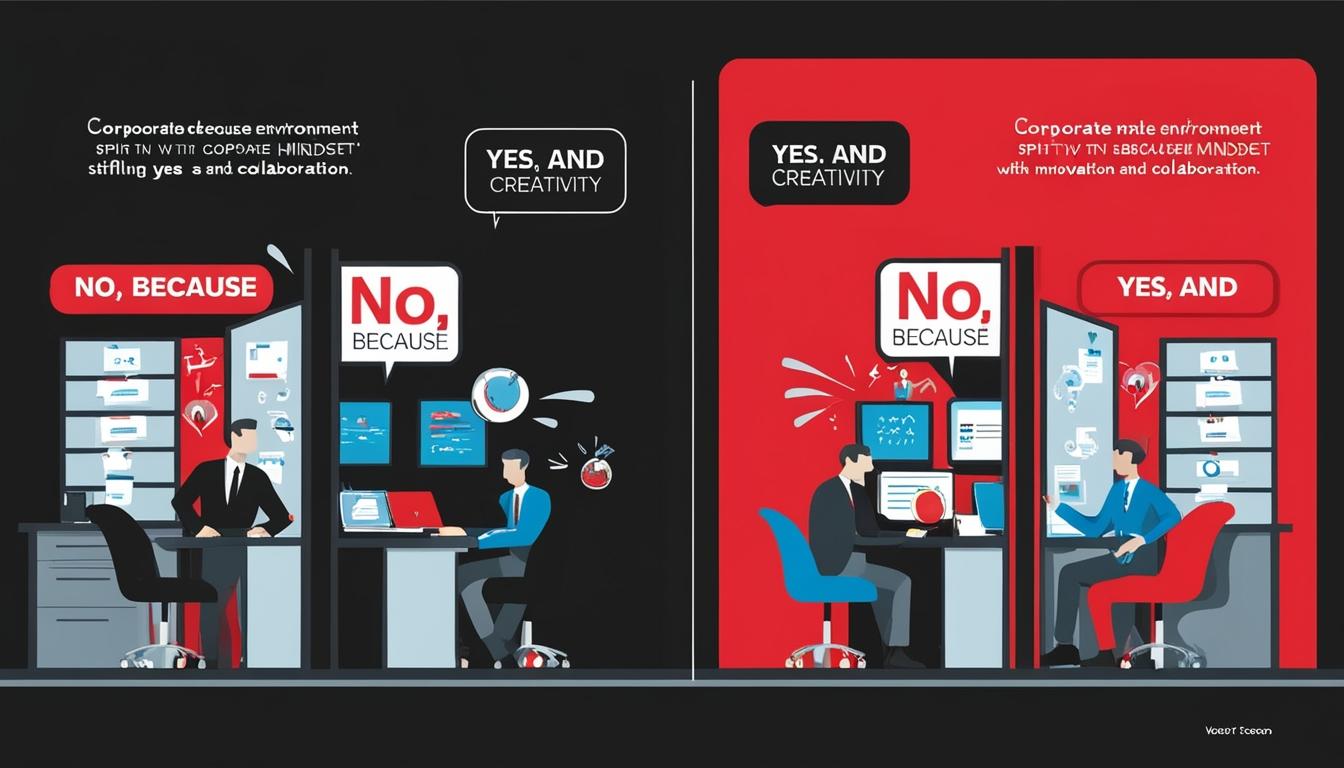
Duncan Wardle, former head of innovation and creativity at Disney, poses a pivotal question for organisations: are you a “no, because” company or a “yes, and” company? His insights offer a nuanced perspective on corporate culture and its effect on innovation. Speaking to Karen Webster, Wardle highlights that the primary obstruction to fostering innovation within organisations often lies not in a lack of time but in a pervasive "river of thinking" shaped by past experiences and established expertise. He elaborates, “We say the biggest barrier in innovation is, ‘I don’t have time to think,’... The biggest barrier to innovation is our own river of thinking.”
The context for this discourse is increasingly urgent, with numerous factors influencing the landscape of business operations. The recent global pandemic, the values-driven motivations of Generation Z entering the workforce, and the pressing challenges posed by climate change composite a backdrop where traditional thinking becomes inadequate. Wardle asserts, “We don’t get to think the way we thought four years ago.”
As the publishing date for his new book, "The Imagination Emporium: Creative Recipes for Innovation," approaches, Wardle's focus on reimagining innovation across industries becomes more prominent. The publication is framed as more than just a business text; it serves as a workbook aimed at unlocking disruptive ideas and strategic creativity to establish a long-term competitive advantage.
Wardle draws on his extensive experience at Disney to illustrate the dichotomy between companies that embrace “yes, and” and those that are shackled by “no, because” attitudes. He maintains that the history of innovation reflects a pattern of success through the former and setbacks through the latter. In his view, creativity is defined less by the availability of resources and more by the mindset of individuals within a company. Wardle notes, “If resources made you creative, then children would be the least creative people on the planet.”
Addressing sectors burdened by stringent regulations, such as banking and healthcare, Wardle reiterates that creativity flourishes under constraints. He introduces tools like “What If” to inspire teams to dismantle established norms and explore uncharted territories. By invoking Walt Disney’s “Fantasia,” he demonstrates how breaking theatrical conventions led to innovations that transformed audience engagement.
Wardle references Albert Einstein's assertion that “imagination is more important than knowledge,” positioning it as a critical principle. He warns that while knowledge can be beneficial, it often limits perspective and hinders the exploration of new opportunities, contending that “knowledge gets in the way.” The strategies outlined in "The Imagination Emporium" aim to help individuals escape from their restrictive thought patterns.
Additionally, he emphasises the significance of language, noting Disney's practice of referring to park visitors as “guests” and employees as “cast members.” This deliberate reframing fosters a culture of hospitality and contributes to the brand's overarching ethos. Challenges to innovation are often rooted in the corporate reluctance to embrace open-mindedness. Wardle notes, “You can always value-engineer a big idea down, but you can’t take a small idea and make it big.”
To cultivate environments where creative ideas can flourish, Wardle proposes creating dedicated spaces where negative connotations of “no, because” are eliminated. He suggests that these environments could resemble Disney’s Greenhouse, which nurtures a culture of possibility. His observations reveal that exceptional ideas frequently arise outside of conventional working hours, as mental relaxation periods allow for subconscious creativity to emerge.
Through brief exercises termed “energizers,” Wardle highlights the importance of breaking from routine to stimulate creative thinking. He champions laughter and playfulness as vital components in unlocking latent imagination, even in a professional setting.
Reflecting on the inevitable bumps encountered in the pursuit of innovation, Wardle recounts the challenges faced when proposing Buzz Lightyear's journey into space. Despite mixed reactions from NASA officials, the venture ultimately succeeded, illustrating the need for resilience and fortitude against adversity. “Whether you think you can or think you can’t, you’re probably right,” Wardle quotes Henry Ford, underscoring the necessity of a positive mindset in driving creative solutions.
Wardle’s perspective positions the essence of innovation not as a one-off event but as a habitual practice embedded in corporate culture. He insists, “It’s about creating a culture where creativity isn’t an event — it’s a habit,” reinforcing the idea that ongoing creativity must be integral to corporate ethos for sustained success. As the business landscape evolves, the approaches advocated by Wardle may hold significant implications for future corporate practices.
Source: Noah Wire Services