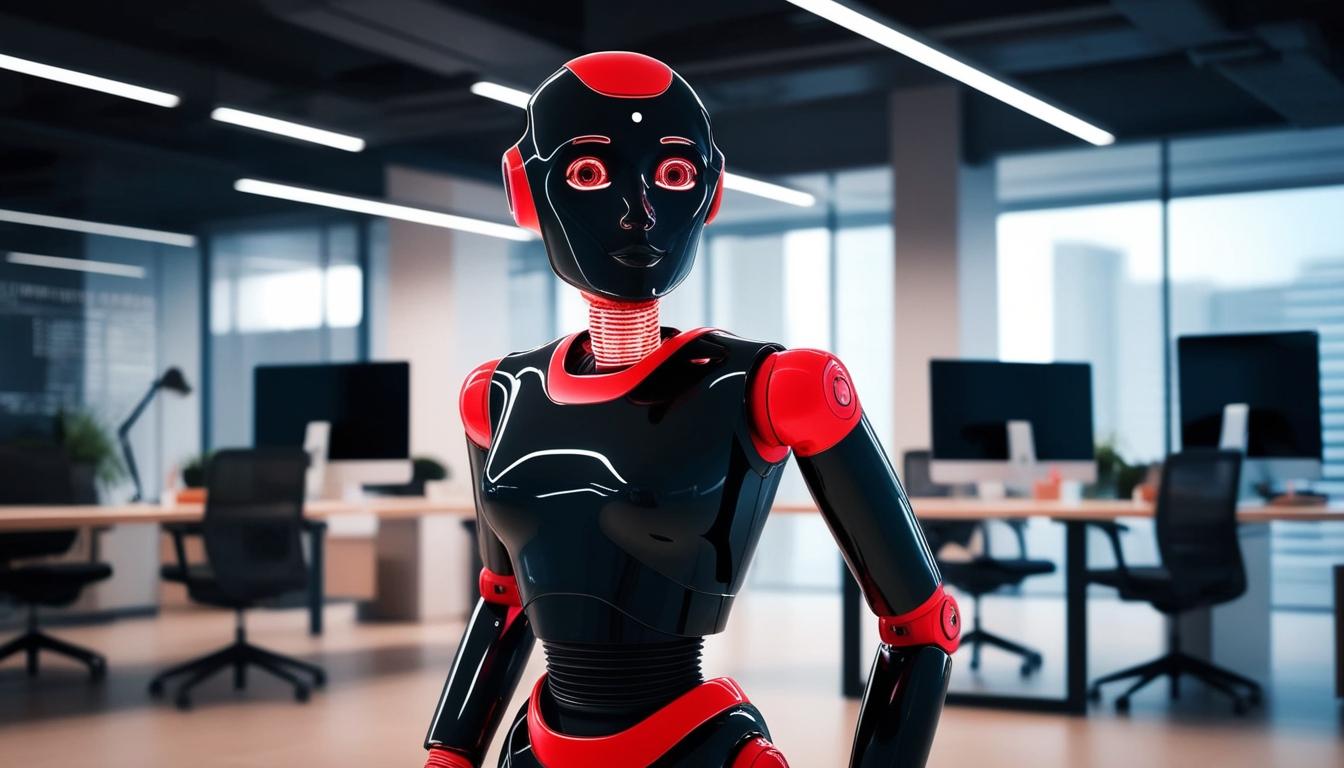
The rapid evolution of robotics is gaining significant attention as humanoid robots are poised to become a fixture in both workplaces and homes, marking a shift from speculative fiction into tangible reality. Highlighting this trend is the recent unveiling of Kim Kardashian's AI-driven Optimus bot, a development spearheaded by Tesla. The company’s CEO, Elon Musk, showcased the Optimus robot, which is projected to launch by 2026, with an anticipated retail price ranging between $20,000 and $30,000. Experts predict a staggering demand of up to 20 million units within a short span, signalling an impending robotic transformation across various sectors.
Robots are no longer confined to novelty; they are becoming increasingly embedded in daily routines, particularly within industries such as manufacturing, restaurants, and healthcare. Leading technology companies, including Samsung and LG, are advancing the field with AI companion robots, paving the way for a future where these machines seamlessly integrate into family life.
The surge in global adoption of robotic technology prompts discussions regarding the societal and ethical ramifications of this shift. The acceleration of robotics has been emphasised by the International Federation of Robots, noting that nations like China and South Korea are at the forefront of this industrial trend. However, the challenges accompanying the integration of robots into human environments cannot be overlooked, including the establishment of safety standards and ethical guidelines necessary to navigate potential risks—an aspect recently highlighted by an incident involving a malfunctioning robot at the Gumi City Council.
According to reports, modern humanoid robots, exemplified by Tesla's Optimus, are equipped with advanced capabilities owing to innovations in AI and machine learning. These machines are designed to undertake complex tasks, adapt to their surroundings, and engage socially with humans, which extends beyond mere automation. The competitive landscape is characterised by Samsung and LG, which are showcasing AI-powered robots destined to serve as companions and household aides, further indicating a demographic shift towards personalised robotics.
The economic implications of this burgeoning market are substantial. Predictive analyses forecasting a demand for 20 million humanoid robots by 2026 suggest that businesses may see transformative effects across multiple sectors, notably in manufacturing and personal services. The price range for these robots reflects the potential emergence of a new consumer market, a prospect that raises both opportunities and challenges.
Enhanced productivity stands out as one of the principal advantages of deploying robotics—robots are capable of performing tasks with greater accuracy and efficiency, which can benefit industries like healthcare and manufacturing. Furthermore, AI-driven robots serve as companions that can mitigate social isolation, particularly for older individuals. However, the rise of this technology also brings potential downsides, including security vulnerabilities associated with connected devices which may expose users to cyberattacks. Job displacement remains a critical concern, as automation could replace certain roles, necessitating an adjustment in workforce skills to meet evolving demands.
Ethical considerations are paramount in this context; the societal implications of humanoid robots provoke critical questions surrounding privacy, autonomy, and the nature of human interaction. As the robotic landscape evolves, the need for governments, industries, and communities to collaborate is imperative for navigating the associated challenges and leveraging the full potential of these technological advancements.
In summary, as humanoid robotics prepare to redefine the interaction between humans and machines, the need for comprehensive strategies—encompassing guidelines and standards—becomes increasingly vital. This collaboration will ensure the integration of robotics into everyday life is beneficial, addressing the associated socioeconomic and ethical dilemmas responsibly while unlocking innovative opportunities across various sectors.
Source: Noah Wire Services