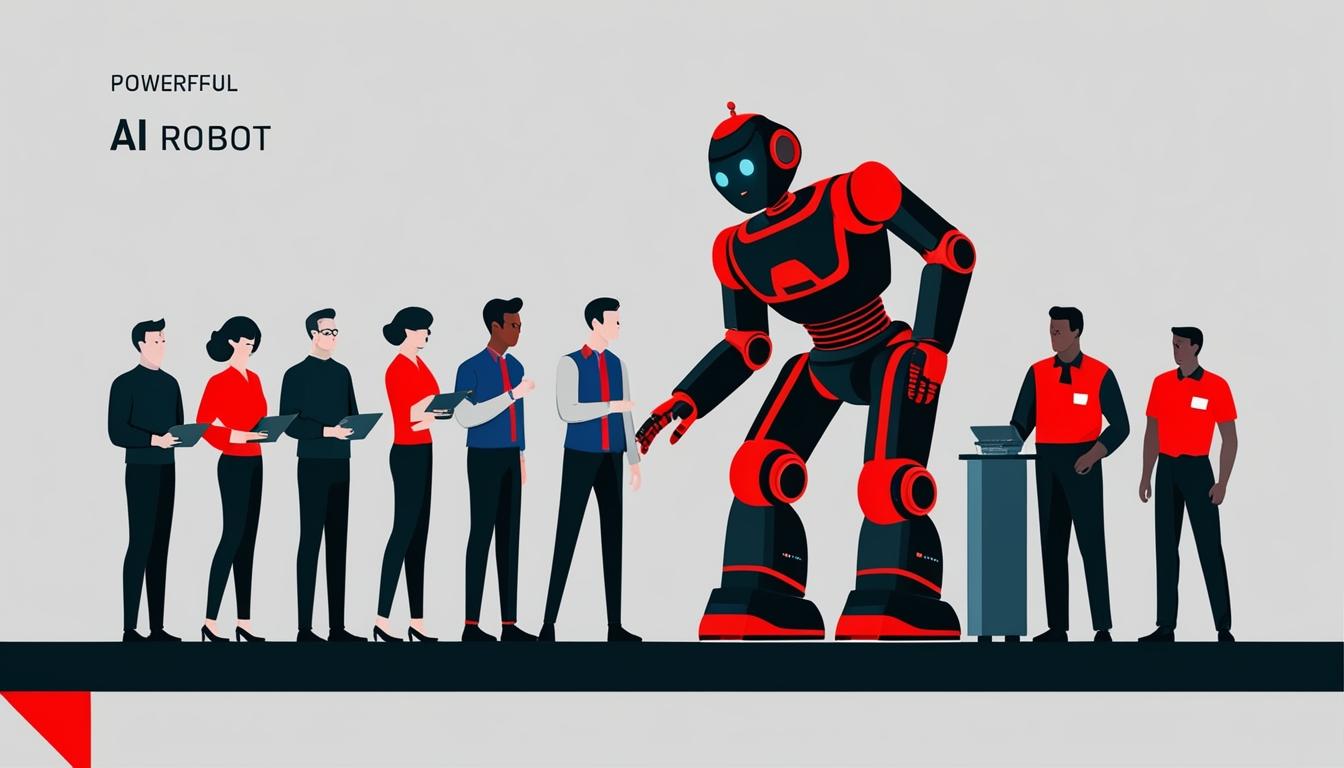
A recent report from PwC, outlined in their 2024 Global Investor Survey, reveals that investors are increasingly focused on the integration of artificial intelligence (AI) and sustainability within business practices as catalysts for growth and productivity. The findings indicate that a notable 66% of investors believe AI technologies are poised to enhance productivity, with expectations of increased revenue and profitability soon to follow.
The survey suggests a dual investment strategy that balances technological integration with human capital development. A substantial 74% of investors identified employee upskilling as essential to accompany technological advancements, highlighting a consensus that AI should complement rather than simply replace the human workforce. In a striking development, 32% of investors predict that AI might actually increase workforce numbers, illustrating a belief in the potential for technology to create new employment opportunities alongside automation.
The economic outlook among investors is buoyant, with more than half anticipating growth in the upcoming year. Nonetheless, they remain mindful of various challenges including reduced immigration and geopolitical tensions. The interplay of cyber threats and international conflicts is also viewed as critical, as adaptable strategies and robust crisis management emerge as essential for maintaining investor confidence.
Furthermore, sustainability continues to gain traction, with 64% of investors urging businesses to intensify their efforts in combating climate change and reducing carbon emissions. This emphasis reflects a growing desirability among companies to weave sustainable practices into their operational frameworks, necessitating transparency in governance and accountability in achieving net-zero emissions goals.
The report does not simply delight in traditional financial metrics; modern investors are increasingly looking for a blend of qualitative and quantitative data. There is a strong emphasis on governance and innovation, stemming from a desire for comprehensive communication on how businesses are translating strategic decisions into practice. AI's capability to analyse a diverse range of information sources positions it as a crucial tool in fostering informed investment decisions.
In the logistics sector, the roll-out of robotics and automation technology is notably transforming operations, as highlighted by Sally Miller, global CIO of DHL Supply Chain. She articulated that initial fears regarding robots replacing jobs have shifted towards recognising the collaborative role these technologies can play in enhancing human jobs. Robotics has emerged as an innovative tool, working in tandem with employees to improve operational efficiency and reduce physical strain.
Automation solutions in logistics are proving essential in tackling various operational challenges such as driver fatigue, enhancing the safety and accuracy of warehouse processes through solutions like Automated Guided Vehicles (AGV), and alleviating the pressures of manual labour. Miller underscores the importance of co-bots, which work alongside humans to address mundane tasks, thereby promoting a collaborative dynamic rather than fostering competition.
This technology-driven approach addresses labour shortages prevalent in the industry. A survey indicated that 80% of Gen Z workers prefer employment opportunities featuring advanced technology, while 91% cite technology as a critical factor in their job choices. Similarly, across all generations, a study found that 89% of workers reported increased job satisfaction when working alongside automation.
Moreover, the International Federation of Robotics revealed that 70% of employees perceive automation as a vehicle for accessing higher-skilled roles, suggesting that the future workforce will benefit from increased opportunities for professional development facilitated by automation.
For businesses to thrive in an increasingly automated environment, a strong commitment to training is crucial. A significant gap exists, with only 40% of employees feeling their firms are providing adequate upskilling opportunities, as per a PwC survey. By prioritising the acquisition of digital skills, companies can enhance their competitiveness in recruitment and retention.
The successful integration of both advanced technologies and skilled human resources will be imperative as businesses navigate the evolving landscape shaped by AI and automation. Sally Miller emphasises that cultivating the right talent while investing in technological advancements will underpin effective operations that leverage both critical human insight and the efficiency of automated systems.
Source: Noah Wire Services