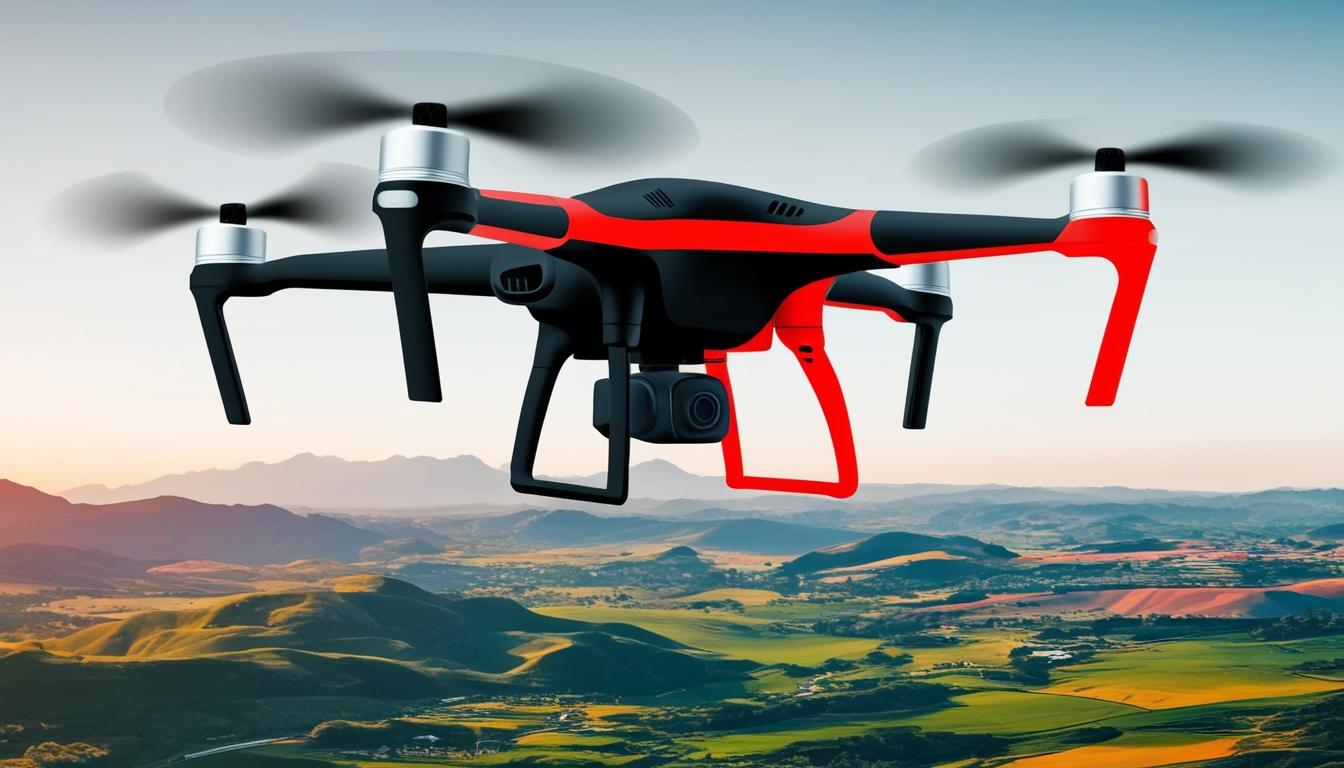
Drone technology is making significant strides across multiple industries, evolving at an extraordinary pace and providing innovative solutions that bolster efficiency, safety, and creativity. This technological advancement offers businesses an opportunity to enhance their operations, cultivate a competitive edge, and rapidly adopt new practices.
One of the primary sectors benefiting from drone technology is construction. Drones have transformed traditional surveying methods, which often required weeks to complete, into processes that can now finish in a fraction of the time. By utilising advanced software, drones can create precise 3D site models and generate elevation data that are vital for effective planning and decision-making. Furthermore, drones facilitate aerial inspections of hazardous areas, subsequently reducing the necessity for manual checks and thereby improving worker safety. Companies like Coptrz are leading the way in providing drone equipment that enhances construction operations.
The agricultural sector has undergone a profound transformation thanks to the introduction of drone technology. Farmers are now utilising drones equipped with advanced sensors and high-resolution cameras for precision agriculture. These drones excel at monitoring crop health, measuring plant height, mapping soil conditions, and assessing irrigation needs. Most notably, the technology enables early detection of nutrient deficiencies and pest infestations, allowing farmers to implement targeted interventions that enhance crop yield.
In the energy and utilities sector, drone technology plays a crucial role in maintaining vital infrastructure such as power grids, oil pipelines, and wind farms. Historically, inspecting such infrastructure has posed significant risks to workers, but drones have altered this paradigm. For instance, after a storm, an electricity provider can deploy drones to inspect extensive power lines for damage, thereby enabling rapid service restoration. Similarly, drones are used at wind farms to examine turbine blades, ensuring any cracks or damage—often invisible from the ground—are promptly identified and addressed.
The media and entertainment industry has also seen a revolutionary impact from drone technology. Drones have redefined aerial cinematography, providing filmmakers with a financial and technical alternative to expensive helicopter rigs. This innovation has made it possible for film studios, commercial producers, and independent filmmakers alike to capture stunning aerial footage with less expenditure. Additionally, drones are now commonplace in live event broadcasting, delivering aerial views of concerts, sports events, and festivals, thus enriching viewer experiences.
In the realm of public safety and emergency services, drones are fast becoming indispensable assets. These aerial devices are increasingly employed for critical missions, such as search-and-rescue operations and damage assessment in the wake of natural disasters. Drones outfitted with thermal imaging, night vision, and high-resolution cameras offer enhanced capabilities compared to traditional ground-based methods. For example, during wildfire incidents, drones can act as airborne observers, tracking the spread of flames and pinpointing areas at risk.
Overall, drones have transcended their role as mere tools; they are now integral to the automation of complex tasks and critical decision-making processes. Their ability to mitigate risks and enhance operational efficiency grants organizations a noteworthy competitive advantage. The growing incorporation of drones into these industries promises to further drive innovation and reshape future business practices significantly.
Source: Noah Wire Services