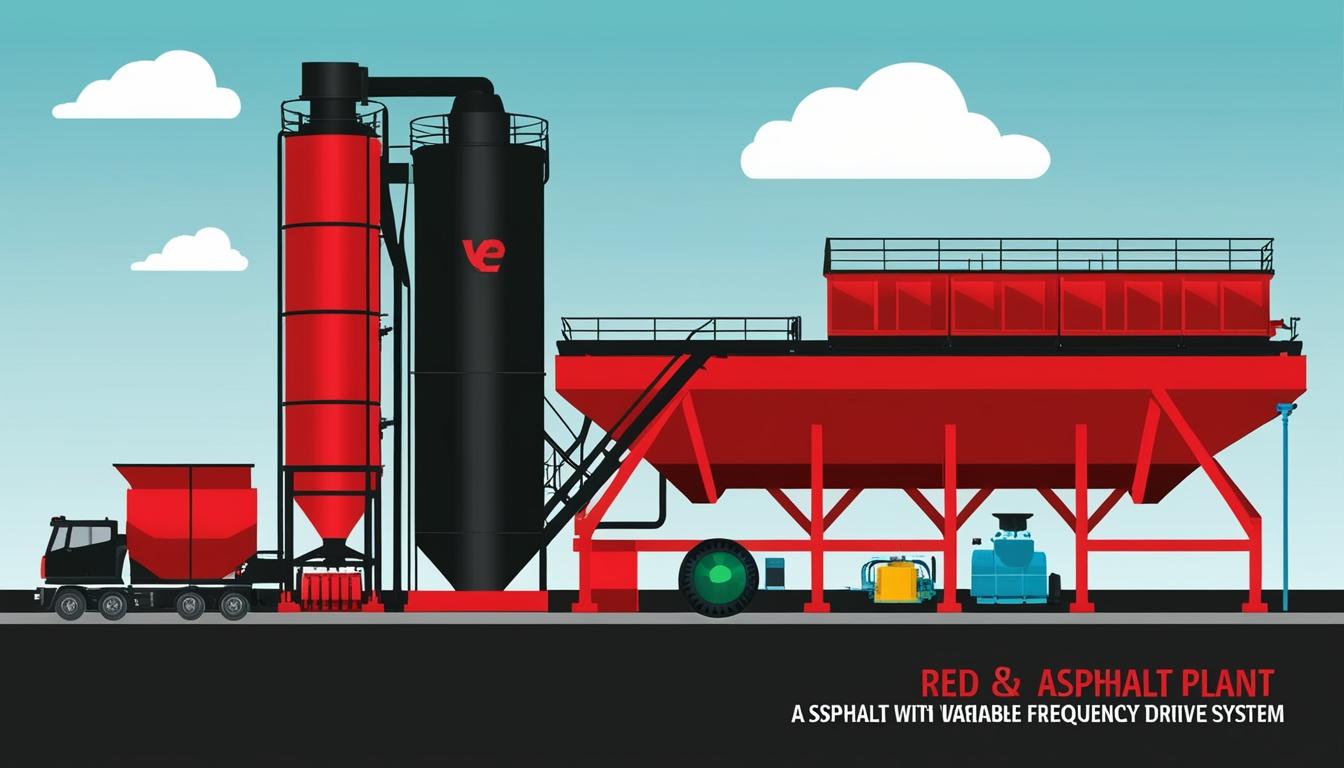
As businesses across various sectors continue to adapt to the evolving landscape of artificial intelligence (AI) and automation, the asphalt industry is no exception. Greg Renegar, vice president of customer service at Astec Industries, recently shared insights into how asphalt plants can enhance their operational efficiency while simultaneously reducing their carbon footprint. Published in Asphalt Pro Magazine, Renegar's analysis addresses the pressing need for the industry to embrace energy-efficient practices ahead of the 2024 paving season.
The article outlines that a significant portion of energy loss within asphalt plants can be mitigated through careful management of plant operations. Renegar emphasises that a culture of operational efficiency can yield benefits without necessitating extensive resources. Understanding the energy demands of a plant is the first step in crafting a strategy to minimise waste.
According to Renegar, producing asphalt with reduced energy consumption hinges on recognising the various pathways through which heat is lost — whether this heat is integrated into the asphalt mix or escapes into the environment. He suggests implementing operational strategies that will enable asphalt producers to enhance their energy usage and profitability. “A sustainability/energy efficiency revolution has started,” he comments, referencing the imperative for the industry to innovate and modernise in a bid to optimise their processes.
Among the strategies highlighted are the utilisation of Variable Frequency Drive (VFD) technology, which enables real-time adjustments in the speed of the aggregate dryer. This capability can help reduce wasted energy tied to stack gas heat loss, which is crucial given that the dryer burner accounts for a major portion of energy consumption in asphalt production. Moreover, Renegar points out that an efficiently tuned burner system is essential for minimising both fuel consumption and emissions.
He also addresses the importance of managing mix temperatures and utilising warm-mix technologies, which can substantially lower production temperatures without compromising asphalt quality. Renegar notes that “a lower mix temperature means less energy is required," highlighting the substantial potential for energy savings.
Renegar discusses the various operational methodologies employed in asphalt plants to achieve maximum efficiency. One approach is to maintain continuous production at optimal rates, avoiding midstream stops to ensure a quality flow of mix constituents, thereby reducing the risk of unscheduled downtime. This methodology allows for flexibility responsive to fluctuating production demands. Alternatively, another strategy suggested is to maximise production rates and store the mix until needed, ensuring that the asphalt plant operates at its most efficient state in terms of energy consumption.
The article's insights serve not only as a guide for asphalt producers but also reflect a broader trend within the construction and manufacturing sectors towards greater energy efficiency and sustainability. With rising demands for environmental responsibility, the integration of advanced technologies and informed operational strategies are critical for meeting both market needs and regulatory frameworks.
In conclusion, as the asphalt industry prepares for the upcoming season, the emphasis on sustainability and energy efficiency remains paramount. Renegar summarises that achieving operational efficiency is not merely reliant on new technologies but rather establishing a consistent culture of awareness and improvement within plant operations. By prioritising energy management and operational practices, asphalt producers stand to enhance both their profitability and their environmental contributions in an increasingly competitive landscape.
Source: Noah Wire Services