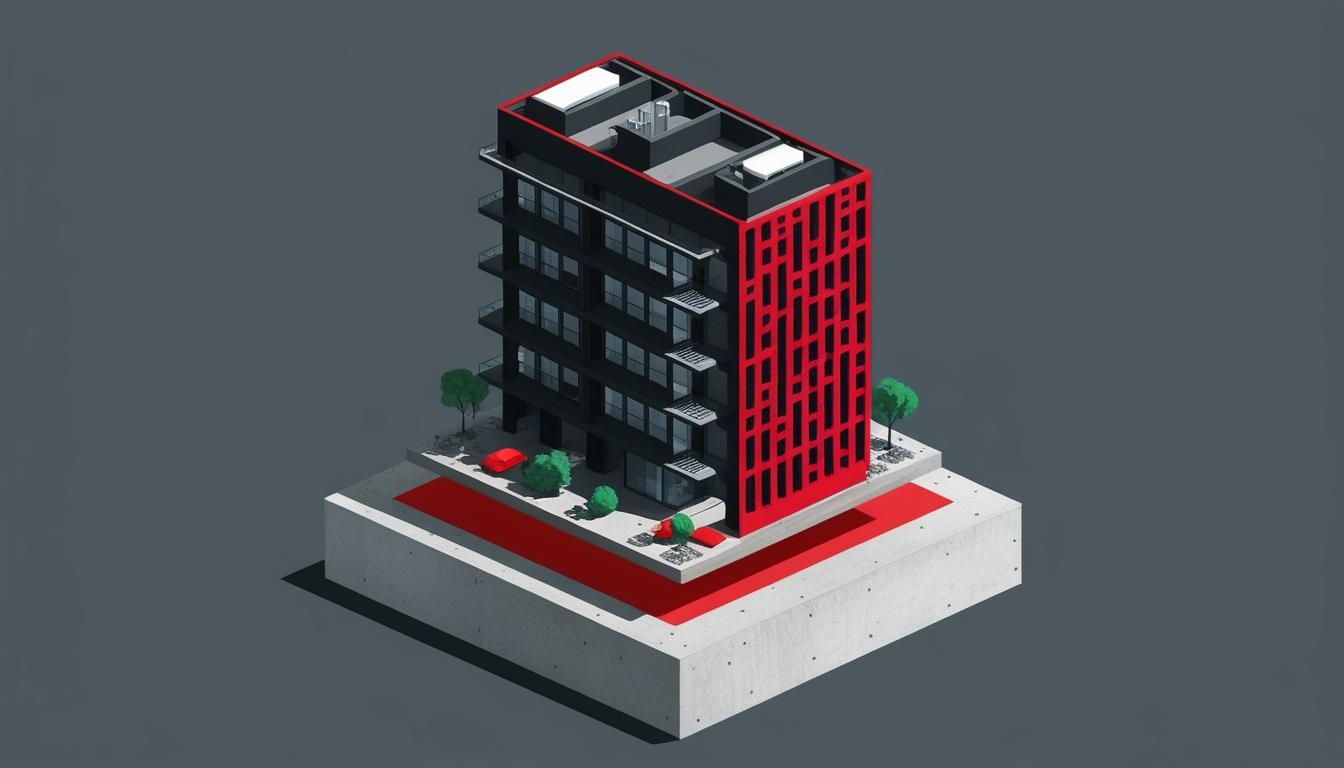
The construction industry is currently embracing innovative technologies, with 3D-printed buildings at the forefront of this transformation. Recent developments highlight how this method could significantly impact sustainability, efficiency, and cost-reduction in construction practices. As reported by Parametric Architecture, advocates consider 3D printing a revolutionary approach to addressing sustainability issues while critics pose questions about scalability and environmental implications.
3D printing in construction involves creating building components layer by layer from materials such as concrete, recycled plastics, and composite elements. Proponents cite several benefits, including cost efficiency and rapid construction timelines. It has been noted that 3D-printed buildings can result in up to 80% savings on labour costs and a 60% reduction in material waste. A basic structure can reportedly be completed within 24 hours, in contrast to traditional methods that often suffer from delays and budget overruns. However, these advantages can vary based on site-specific factors, including transportation costs and adherence to local building codes.
Sustainability is another significant aspect associated with 3D-printed construction. By employing materials like 3D-printable concrete and recycled polymers, these projects reduce reliance on virgin materials and contribute to waste reduction efforts. Innovations in material science, including composites made from recycled tires and plastic waste, are exciting developments that promote a circular economy in construction practices. Nevertheless, sceptics argue that the concrete intensity of many 3D printing technologies continues to contribute substantially to carbon emissions, casting doubt on claims of their environmental friendliness.
3D printing also offers remarkable design flexibility and customisation options. This versatility is particularly beneficial for low-income housing and disaster relief efforts, where time and financial restraints are critical considerations. The ability to modify designs during the printing process allows for extensive personalisation, which might be prohibitive under traditional construction methods.
Conversely, the implementation of 3D-printed structures is not without its challenges. Key obstacles include technological limitations, regulatory barriers, and concerns regarding the durability of printed materials. Current 3D printing technology may not be optimal for large-scale projects, with constraints related to material compatibility and size. As noted, despite advancements, integration of essential systems such as plumbing and electrical remains labor-intensive, which diminishes some of the potential time savings.
Regulatory frameworks governing 3D-printed buildings also present challenges, as building codes can vary significantly across different regions. Many jurisdictions still lack clear guidelines, which creates uncertainties in commercial viability and scalability.
Durability questions linger around 3D-printed components, particularly regarding how these structures will perform in adverse environmental conditions. While some 3D-printed concrete has shown exceptional strength, a comprehensive understanding of long-term performance remains an ongoing pursuit. Critics express concerns about potential maintenance issues in areas with extreme weather conditions or high seismic activity.
The economic implications of 3D printing in the construction sector are notable. While the technology can reduce labour costs, there are apprehensions regarding potential job displacement within traditional construction roles, particularly in developing nations. Striking a balance between technological advancement and the accompanying social ramifications will be crucial for equitably implementing 3D printing in the sector.
Looking forward, it appears that 3D-printed buildings have the potential to redefine construction practices fundamentally. Ongoing advancements in materials and printer technology may help overcome existing barriers, thus broadening the application of 3D printing in various construction projects, including bridges and commercial buildings. A progressive approach to addressing both the limitations and the advantages of this technology could foster significant shifts toward sustainable construction practices and affordability in housing solutions.
The narrative surrounding 3D-printed buildings reflects ongoing developments, with an emphasis on providing innovative construction solutions to some of the industry's most pressing challenges. The evolution of this technology will continue to shape the construction landscape, with implications that warrant careful consideration across environmental, technological, and societal dimensions.
Source: Noah Wire Services