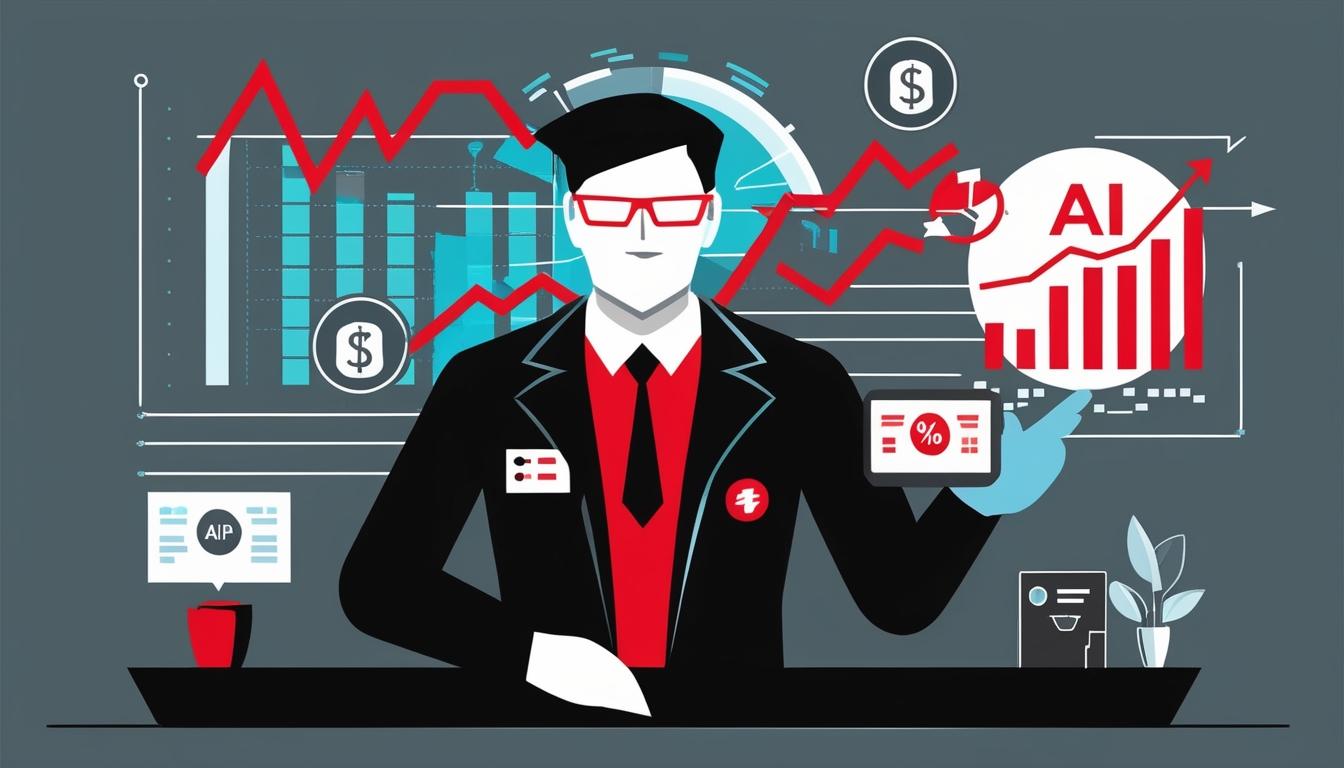
As 2024 draws to a close, the financial services landscape is poised for significant changes, particularly in areas such as interest rates, access to private assets, and the increasing role of artificial intelligence (AI) in wealth management. Experts from Morningstar shared their predictions during a recent webinar titled "Investment Strategies for the Year Ahead," held on December 5, 2024.
One of the primary topics discussed was the potential for Federal Reserve rate cuts in 2025. Dominic Pappalardo, Morningstar's chief multi-asset strategist, highlighted the Fed's recent policy shift, marking a "regime change.” Until September 2024, the Federal Reserve had been in a rate-hiking mode, a move largely aimed at combating inflation post-pandemic. Pappalardo indicated that the Fed's decision to cut rates by 50 basis points was a significant indication of confidence that inflation rates may continue to decline. "The rather aggressive decision they made to cut... suggests the Fed has gotten quite comfortable that the downward trends in inflation are sustainable," he stated.
Furthermore, Pappalardo expressed that the Fed appears to be shifting its focus towards maintaining economic stability, particularly to avoid undue economic stress caused by prolonged high-interest rates. He mentioned, "In other words, they want to preserve the likelihood of achieving their desired soft landing that's been talked about so much." As for the future trajectory, he believes that continued rate reductions may ensue as long as consumer price index data remains stable. However, he cautioned that any unexpected inflationary spikes could abruptly alter this pathway.
Another focal point of the discussion revolved around the growing accessibility of private assets for regular investors in 2025. Brian Moriarty, the strategist for U.S. fixed income strategies at Morningstar, noted a trend of traditional asset managers acquiring firms that provide alternative asset capabilities. Notably, multiple partnerships have been formed, such as the collaboration between Capital Group and KKR, which will introduce interval funds blending public and private credit as well as BlackRock's alliance with Partners Group on model portfolio solutions. Moriarty acknowledged that the success of these new offerings remains uncertain, as "the jury is still out on which of those will be successful." He further explained that as competition increases, fees for these investment products are likely to decrease, thereby enhancing accessibility for average investors.
In parallel, advancements in AI technology are set to reshape how investing is approached in 2025. Dave Sekera, senior U.S. market strategist at Morningstar, explained that the upcoming year will not only focus on hardware development but also on leveraging AI for revenue generation. He noted that after the launch of ChatGPT in late 2022, companies invested heavily in AI infrastructure, leading to a significant demand-supply imbalance while driving prices higher. Sekera observed, "We're now at the point where those hardware suppliers have built out enough new capacity to better address the amount of forecasted demand."
With the anticipated rapid expansion of AI applications, Sekera expects many companies to integrate AI into existing frameworks or develop new services. He stated, "Some companies will be able to incorporate AI into their existing platforms and build new services," leading to efficiency gains and expanded profit margins.
Furthermore, Danielle Labotka, a behavioural scientist specializing in research and investments at Morningstar, pointed out that AI could significantly enhance the productivity of financial advisors, enabling them to allocate more time directly to client interactions. She emphasized the relational aspect of advising, noting, "Advising, at the end of the day, is a relationship business." However, Labotka cautioned that advisors need to carefully consider when and how to use AI. While AI can assist with task automation, there are critical areas such as human empathy and critical thinking where it may fall short. "You want to know what it can do and what it can't do well," she added.
Labotka also noted that clients are increasingly aware of AI's role in their advisory relationships. For example, using AI for routine emails might be acceptable, but employing it for sensitive communications, such as personal bereavement messages, could jeopardise the trust essential for advisor-client relationships. She highlighted the need for advisors to navigate these dynamics carefully to avoid using AI as a "shortcut to sincerity."
As trends in interest rates, private investment access, and AI technology continue to evolve, financial professionals and investors alike are encouraged to monitor these developments closely as they prepare for the investment landscape of 2025.
Source: Noah Wire Services