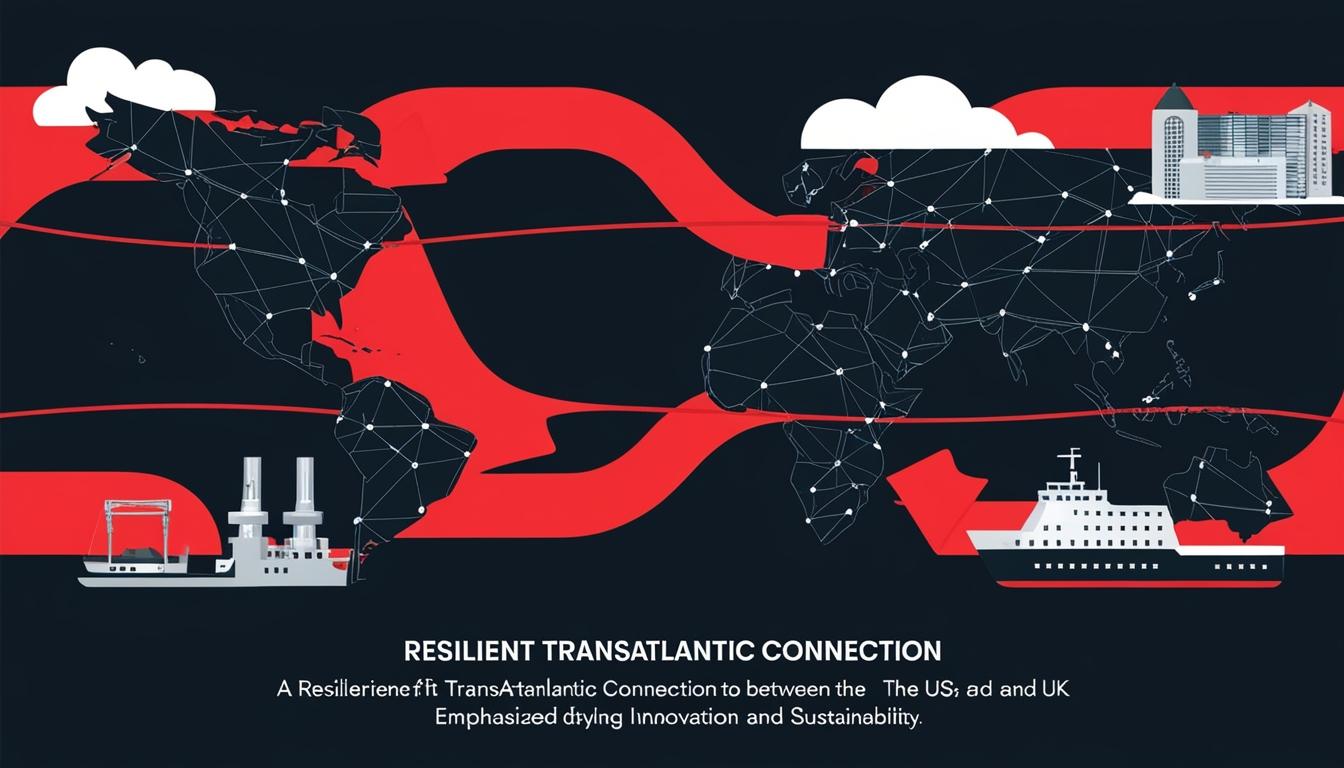
The trade relationship between the United States and the United Kingdom is characterised by its strength and resilience, having continuously evolved over the years to become one of the most influential partnerships globally. The recent discussions among Chief Executive Officers (CEOs) from both nations are focused on navigating the complexities of this transatlantic trade, exploring growth opportunities, and addressing the logistical challenges that arise in the face of international competition.
According to "The CEO Views," the current trade dynamics between the US and the UK are robust, with annual exchanges of goods and services exceeding $295 billion. The partnership primarily revolves around industries such as pharmaceuticals, automotive manufacturing, and financial services. However, these trends are shifting due to factors like post-Brexit developments, international tariffs, and new bilateral initiatives such as the US-UK Trade Dialogues. For businesses operating in this environment, staying informed about such changes is vital for gaining a competitive edge.
Key growth areas have emerged in sectors including green energy, technology, and advanced manufacturing. With both countries striving for sustainability, organisations that focus on renewable technologies are likely to find ample opportunities. Furthermore, technology firms, from startups to established enterprises, stand to benefit significantly from advancements in artificial intelligence (AI) and financial technology (fintech) as they expand their transatlantic relationships. In this context, sea freight remains a crucial logistical solution for transporting bulk goods and equipment, enabling businesses to capitalize on growing opportunities.
Navigating the regulatory landscape is another significant area of focus for CEOs overseeing transatlantic trade. Managing regulatory risks is essential, especially as companies face a considerable documentation burden in their exports to the US. One key document is the Shipper’s Letter of Instruction (SLI), which communicates necessary details to freight forwarders, ensuring that customs regulations are adhered to. Properly completed SLIs are critical in avoiding delays during shipping, as sea freight continues to be the preferred option for large shipments. Compliance and meticulous documentation are vital in streamlining operations.
The report by "The CEO Views" highlights the rapid evolution of trade processes through the integration of new technologies. Innovations such as electronic customs submissions, automated supply chain management, and secure blockchain transactions enhance operational efficiency. Businesses that successfully embrace these technological changes can allocate fewer resources and time to operations, thereby gaining a competitive advantage.
Strategically, building alliances has become increasingly important for balancing the trade dynamics between the US and UK. CEOs are prioritising relationships with reliable storage facilities and local sales points to mitigate risks associated with geopolitical uncertainties and changing tariffs. By fostering cooperation and investing in strong partnerships, firms can improve the flow of goods between the two nations.
Environmental considerations are also gaining prominence in international business practices. Businesses are under pressure from regulators and consumers alike to adopt sustainable practices. In the context of US-UK trade, organisations can contribute to lower emissions through eco-friendly transport options and by reducing packaging waste. Those companies that align with sustainability objectives are likely to resonate with environmentally conscious consumers.
The role of the CEO in this environment extends beyond mere decision-making; they are pivotal in shaping transatlantic trade policies aligned with their organisations’ strategic objectives. Their ability to stay attuned to trade policies and maintain connections with industry associations can position them favourably in predicting market trends and identifying new business opportunities.
Looking ahead, the future of the US-UK trade partnership appears promising, with new market opportunities and technological advancements on the horizon. Businesses that adapt to these changes and formulate robust strategies will emerge as leaders in this dynamic economic relationship. As transatlantic commerce continues to evolve, the emphasis for CEOs remains on addressing current challenges while envisioning a sustainable and prosperous future.
Source: Noah Wire Services