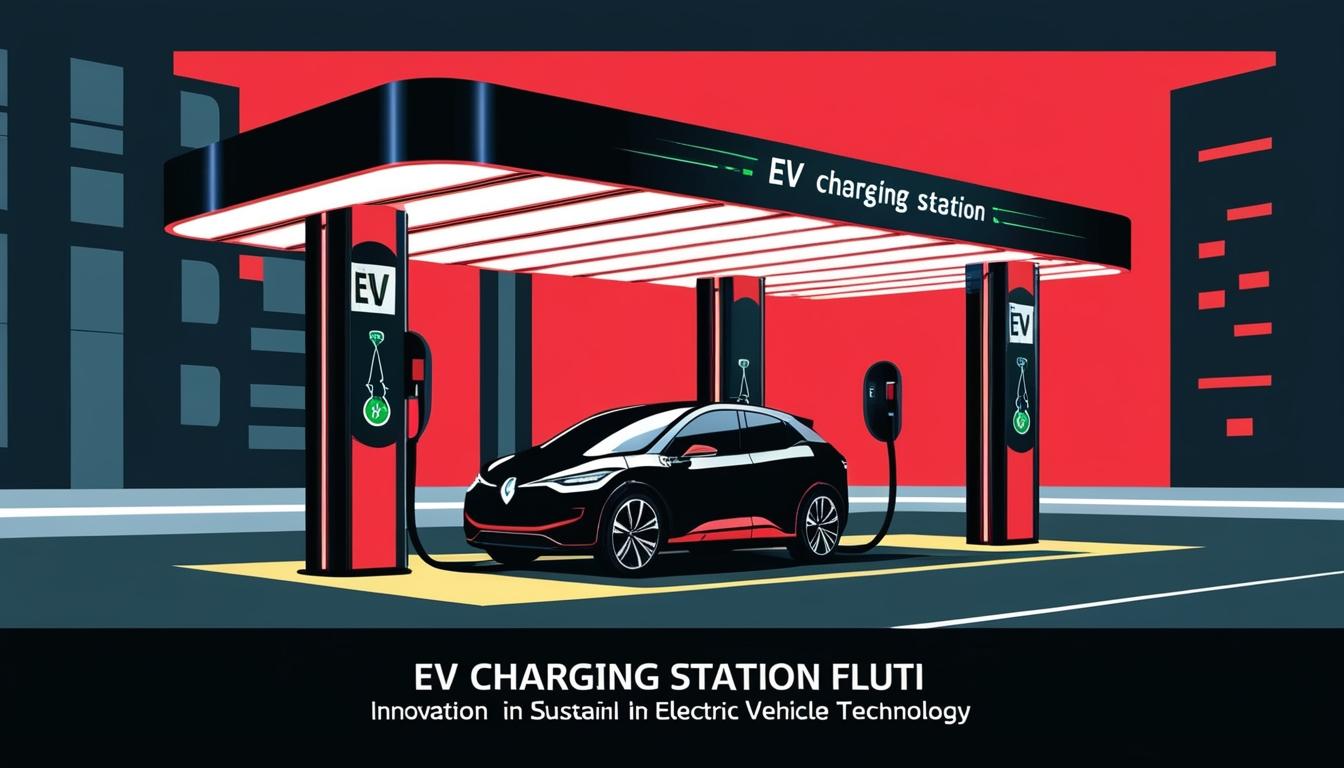
In a rapidly evolving landscape of electric vehicle (EV) technology and sustainability practices, significant advancements and industry milestones have caught the attention of manufacturers, consumers, and environmental advocates alike.
One of the most noteworthy developments is the anticipated shift towards a seamless EV charging experience by 2025, which aims to replicate the convenience of Tesla’s Supercharger network. The convenience of charging is a priority for many EV owners, particularly amidst reports detailing the inconsistent charging opportunities across the United States. A significant innovation in this area is provided by Hubject, a company responsible for the Plug & Charge capability in Europe. This feature is expected to allow compatible US EVs to navigate public charging stations with the same ease currently enjoyed by Tesla users.
Advancements are also being made in battery management systems, with NXP announcing the creation of an ultra-wideband wireless battery management system for electric vehicles. This new system utilises low-energy wireless pulses to communicate data efficiently, offering four times the speed of traditional systems. Such innovations could simplify the production process while potentially increasing the storage capacity of battery packs.
As the global reliance on fossil fuels continues to rise—recording 37.4 billion metric tons of climate pollution in 2024, which reflects a 0.8% increase from the previous year—environmental considerations remain paramount. While emissions from wealthier nations have been declining, scientists indicate that comprehensive strategies must be employed to support developing countries in their transition to renewable energy sources. The urgency of addressing rapid climate change is underscored by the call to expedite emissions reduction efforts and financial assistance initiatives.
Amid these shifts, electric vehicles are increasingly playing a role in reducing emissions from the transportation sector in the United States. The most recent assessments indicate that the combination of favourable regulations, compliance among manufacturers, and rising consumer adoption has led to record lows in CO2 emissions from newly manufactured vehicles, measuring at 319 grams per mile in 2023, which marks an 18-point reduction from previous years.
In addition, Lucid Motors is making strides with its plant in Saudi Arabia, where SKD assembly has commenced. The facility, underpinned by Saudi Arabia's Public Investment Fund, is projected to reach annual production levels of 150,000 vehicles, contributing approximately $3.4 billion in value over a 15-year period.
Safety remains a priority within the industry, as evidenced by TUV Sud, a German certification body, performing rigorous stress tests on EV components. These evaluations ensure that high-voltage systems maintain safety and performance under various simulated conditions.
In the realm of motorsports, the upcoming Formula E season is garnering attention with the introduction of the GEN3 Evo electric race car, designed to outperform current F1 standards. With speeds reaching 200 mph and acceleration from 0-60 mph in less than two seconds, the new formulation reflects cutting-edge developments in electric racing technology.
Additionally, the recent report from Amnesty International has highlighted a need for accountability among major EV manufacturers concerning human rights due diligence. Among the 13 brands analysed, Mercedes scored highest with 51 out of 90 points, whereas BYD garnered only 11 points, indicating a gap in adherence to international human rights standards.
The constellation of these developments signifies a transformative period in the automotive industry, shaping how businesses adapt their operations and align with emerging trends in sustainability and technology.
Source: Noah Wire Services