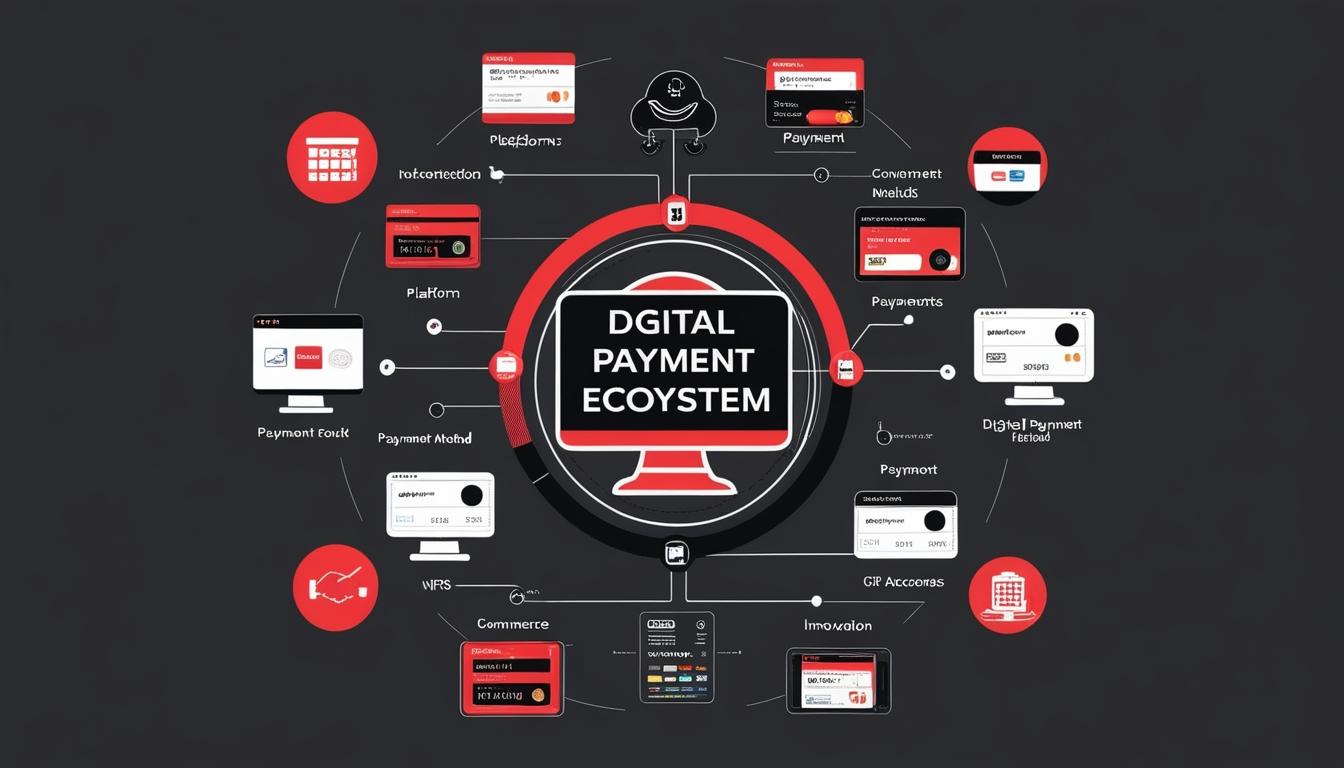
In a rapidly evolving landscape, platforms are creating ecosystems that effectively match supply with demand across various sectors, from global markets to specific industries such as hair salons and restaurant delivery services. These platforms aim to facilitate a one-stop shop for activities ranging from order placements to appointment bookings, with payment systems being a central element binding the two sides of any digital commerce interaction.
The news outlet PYMNTS has been particularly focused on the evolution of Payment Facilitators (PayFacs), which enable merchants to accept and process digital payments. This shift is significant as businesses increasingly look to embed payments into their software solutions. By doing so, platforms can attract merchants aiming to expand their customer base, which in turn enhances revenue generation for the platforms. Through a seamless integration of payment options into customer interactions, businesses can create a more convenient transaction process that encourages repeat business.
The concept of PayFac as a Service has emerged as a notable business model within this context. Rather than businesses shouldering the complexities of payment processing and necessary upgrades to back-end systems, these responsibilities can now be outsourced to specialised providers. This model is gaining traction among software platforms serving various businesses and marketplaces.
A recent report from PYMNTS, in collaboration with Carat from Fiserv, titled “Platform Business Survey: The Rise of Embedded Payments,” highlighted some key data regarding the preferences and practices of independent software vendors (ISVs) and marketplaces. It was found that ISVs and PayFacs typically offer an average of seven payment methods each, while marketplaces provide approximately eight options. This indicates a clear consumer demand for a wide range of payment choices, a trend supported by the fact that 74% of marketplaces are currently working on expanding their digital payment experiences to maintain competitiveness in the market.
The data further reveals that 49% of marketplaces have implemented or are considering innovations in digital wallets, with about half contemplating the integration of installment payment options. Additionally, more than 50% expressed interest in facilitating buy now, pay later (BNPL) options for their customers.
In terms of funding developments, October saw Tilled, a PayFac as a Service provider focused on embedding payments for software firms, announce that it raised $12.5 million in a funding round led by Canvas Ventures and UPC Capital Ventures, totalling $40 million in funding since its inception five years ago. Meanwhile, Clearent by Xplor also launched its PayFac as a Service solution in the same month. This offering aims to help Software-as-a-Service (SaaS) companies optimise their payment infrastructure, reducing operational complexities while generating additional income.
Additionally, Forward, another player in this space, reported a successful seed financing round, raising $16 million intended for the enhancement of its PayFac software and services platform. This round was led by Commerce Ventures, Elefund, and Fiserv, the latter indicating its intent to leverage Forward’s capabilities to bolster its offerings to ISVs.
These developments underscore a growing trend in the integration of payment solutions within business infrastructures as companies adapt to the evolving expectations of digital commerce.
Source: Noah Wire Services