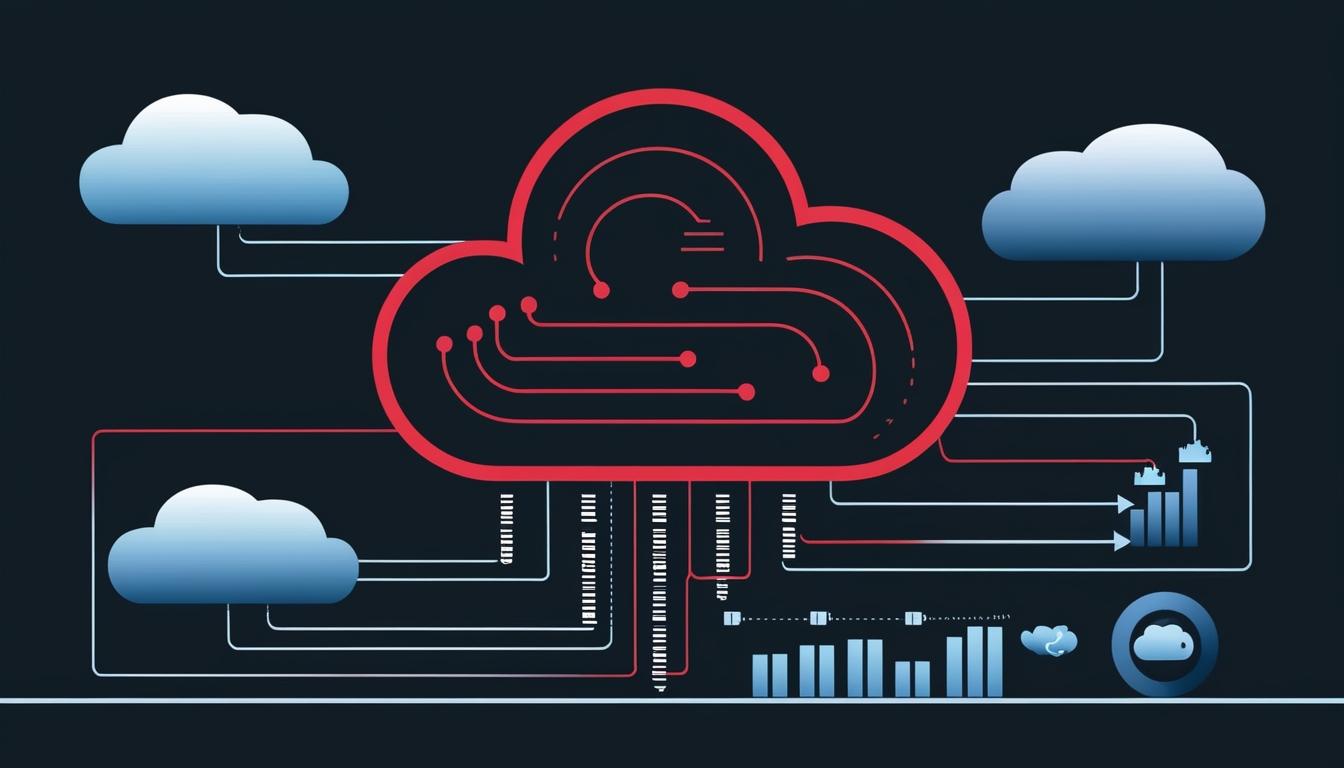
In today's fast-evolving business landscape, the integration of Big Data and cloud computing technologies is shaping the way enterprises manage and leverage information. The impact of these technologies on operational efficiencies and cost management is significant, as they provide businesses with innovative solutions to streamline data processing and analysis.
Big Data refers to the enormous volume of structured and unstructured data generated continuously from various sources, including digital devices and social media platforms. This data can be classified based on three key dimensions, often referred to as the three Vs: volume, which indicates the amount of data; velocity, defining the speed at which new data is created; and variety, which encompasses the different forms of data such as structured formats like financial transactions, semi-structured forms like JSON files, and unstructured types such as text, images, and videos.
However, traditional data management systems struggle to handle the fast-paced nature of Big Data due to the significant computational power required to extract meaningful insights. Consequently, modern businesses may invest in advanced technological frameworks capable of efficiently storing and interpreting massive datasets.
Cloud computing complements Big Data by enabling businesses to access, manage, and store data using remote servers via the Internet. This technology represents a shift from reliance on local servers and on-premise hardware, providing scalable and flexible solutions. Businesses can leverage three key service models: Infrastructure as a Service (IaaS), where remote service providers offer infrastructure while managing associated maintenance risks; Platform as a Service (PaaS), which offers resources such as storage and databases but requires consumers to handle configuration; and Software as a Service (SaaS), where applications are managed by the cloud provider, eliminating the need for software ownership.
The intersection of Big Data and cloud computing is characterised not merely by technical synergy but by a strategic evolution in data management practices. This convergence allows businesses to efficiently process and store large volumes of data without the limits set by traditional infrastructure, reducing issues related to data latency and enhancing the overall quality of data management.
The benefits of integrating Big Data with cloud computing are manifold. One significant advantage is the boost in security, scalability, and flexibility that the cloud offers. As demand for data can fluctuate dramatically, cloud data management tools enable businesses to adjust their storage and processing capabilities to meet specific needs without the challenges of managing physical servers. Additionally, cloud-based security services provide robust protection for data without necessitating large investments in standalone security systems.
Cost efficiency is also a crucial benefit of this integration. Many cloud-based data management solutions operate on a pay-as-you-go model, allowing enterprises to utilise only the services they require at any given time. This flexibility in expenditure is particularly advantageous for small and medium-sized enterprises that might previously have found sophisticated data tools financially out of reach.
Moreover, the integration enhances data processing speeds and accessibility. Traditional methods often face geographical constraints and latency issues, making timely data utilisation difficult. In contrast, cloud-supported tools facilitate real-time data access and processing from virtually anywhere, enabling businesses to make informed operational and strategic decisions swiftly.
The implications of the confluence of Big Data and cloud computing are significant as they represent a foundational shift in organisational data management practices. This relationship fosters faster decision-making, improves flexibility, and strengthens information security. As both technologies continue to progress, their combined potential to optimise data management and operational efficiencies is likely to be a defining feature for businesses aiming to enhance productivity and reduce associated costs.
Source: Noah Wire Services