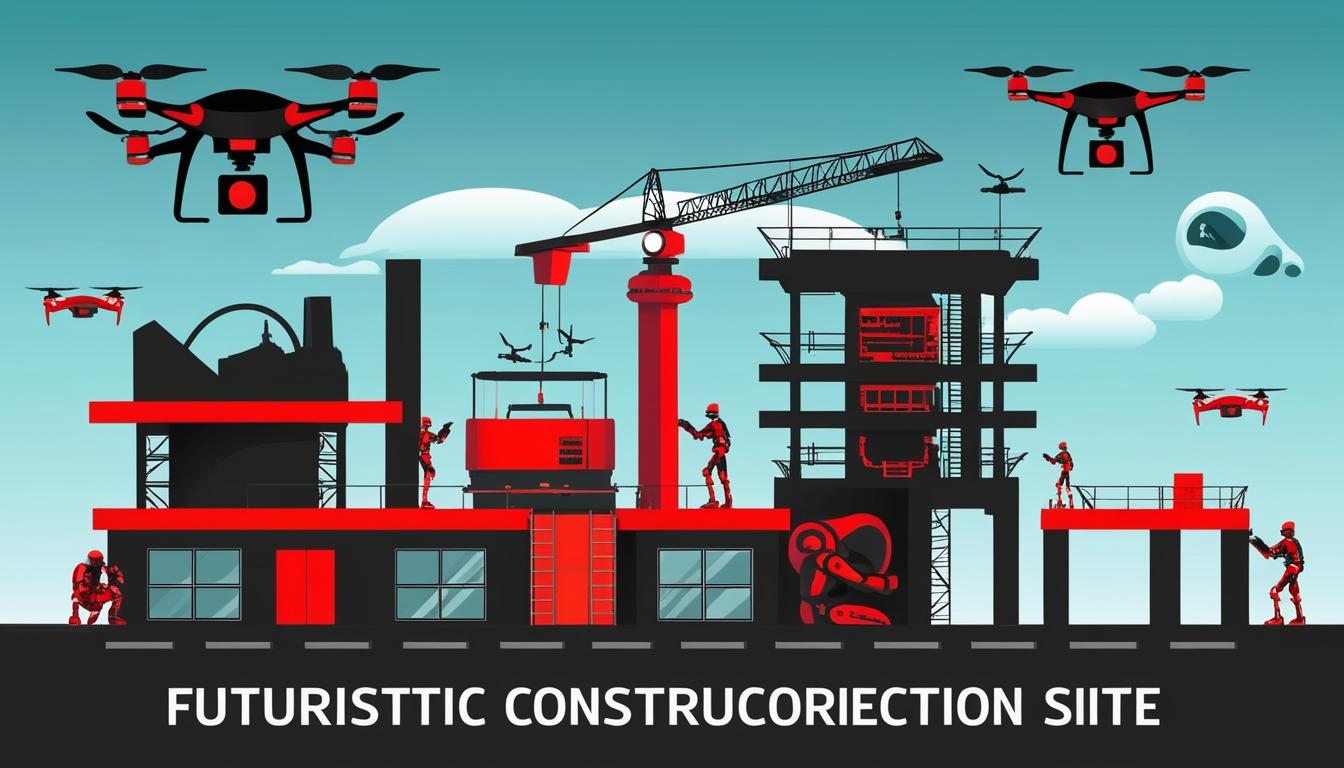
In recent discussions surrounding advancements in artificial intelligence (AI) and automation, two industries demonstrating significant forward momentum are construction and smartphone technology. As these sectors integrate new technologies, they present opportunities for greater efficiency and sustainability. The focus on energy efficiency in construction and the innovations associated with AMD in the smartphone sector reflect broader trends in technology and environmental awareness.
Energy efficiency in construction has become a central topic, particularly for businesses aiming to reduce their energy consumption and environmental impact. According to Energy Central, buildings represent approximately 36% of global energy usage, with this demand projected to rise significantly. To combat these trends, the construction sector is turning to innovative techniques and technologies aimed at enhancing sustainability, especially in 2025. Notably, emerging technologies include additive manufacturing, surveying drones, exoskeletons, advanced building information modelling (BIM), and smart solar inverters.
Additive manufacturing is expected to revolutionise construction, moving towards a norm of 3D printing and repurposed materials. This method could reduce energy consumption at the outset by using existing materials rather than sourcing new ones, thus lowering the requirement to mine and process fresh raw materials. The Energy Central article highlights the potential of using demolition waste in new construction, a step towards minimising resource intake and cutting power consumption.
Surveying drones are poised to streamline site preparation processes. These autonomous devices can significantly reduce the time required for land assessments. By providing high-precision data quickly, drones contribute to a leaner operational model that ultimately saves energy and resources compared to traditional methods.
The introduction of exoskeletons in construction work aims to enhance worker productivity and safety. These wearable technologies assist operatives in lifting heavy materials while simultaneously decreasing the reliance on heavy machinery, thereby optimising the energy footprint of construction projects.
Furthermore, the advancement of building information modelling (BIM) in conjunction with AI promises to minimise errors in construction planning. By using simulations to assess energy standards and building requirements, BIM can help mitigate the waste associated with construction errors and increase adherence to energy-efficient standards.
The significance of smart solar inverters is also highlighted as a game-changer in integrating renewable energy solutions into new building designs. Early models of these solar inverters, which employ advanced materials to enhance durability and efficiency, are paving the way for buildings that not only consume less energy but also potentially produce surplus energy.
On the other hand, the smartphone industry is witnessing transformative shifts driven by AMD’s recent innovations, as highlighted in coverage by Smartphone Magazine. Following AMD’s advancements in silicon architecture, the company’s focus on AI and machine learning is set to redefine user experience in smartphones. Enhanced AI capabilities promise to provide users with faster devices that intuitively learn from and adapt to individual behaviours.
AMD’s growing investment in partnerships with device manufacturers is pivotal in ensuring the successful integration of its advanced chip technologies into future smartphone models. Industry analysts suspect that these developments will create a strong competitive edge in the crowded smartphone market.
However, as noted, challenges remain. Balancing energy efficiency, performance enhancements, and cost-effectiveness will be crucial for both the smartphone and construction industries as they progress into an increasingly competitive and environmentally conscious global market.
Ultimately, the territories of construction and smartphone technology reflect a broader trend of integrating sustainability and AI into various sectors, presenting compelling insights into how businesses are adapting to meet contemporary challenges. The developments within these industries signify a commitment to not just innovation but also to creating more responsible and efficient operational models that align with global energy goals.
Source: Noah Wire Services