OpenAI has heralded a significant shift in the landscape of artificial intelligence with the full release of its new set of reasoning models, referred to as o1. This announcement, made recently, signifies what many believe could be the end of the GPT era, a period marked by generative AI predominately relying on prediction-based technology. According to Matteo Wong, a writer at The Atlantic, this development offers a significant insight into the nature of synthetic intelligence that OpenAI, along with other companies in this sector, aims to construct.
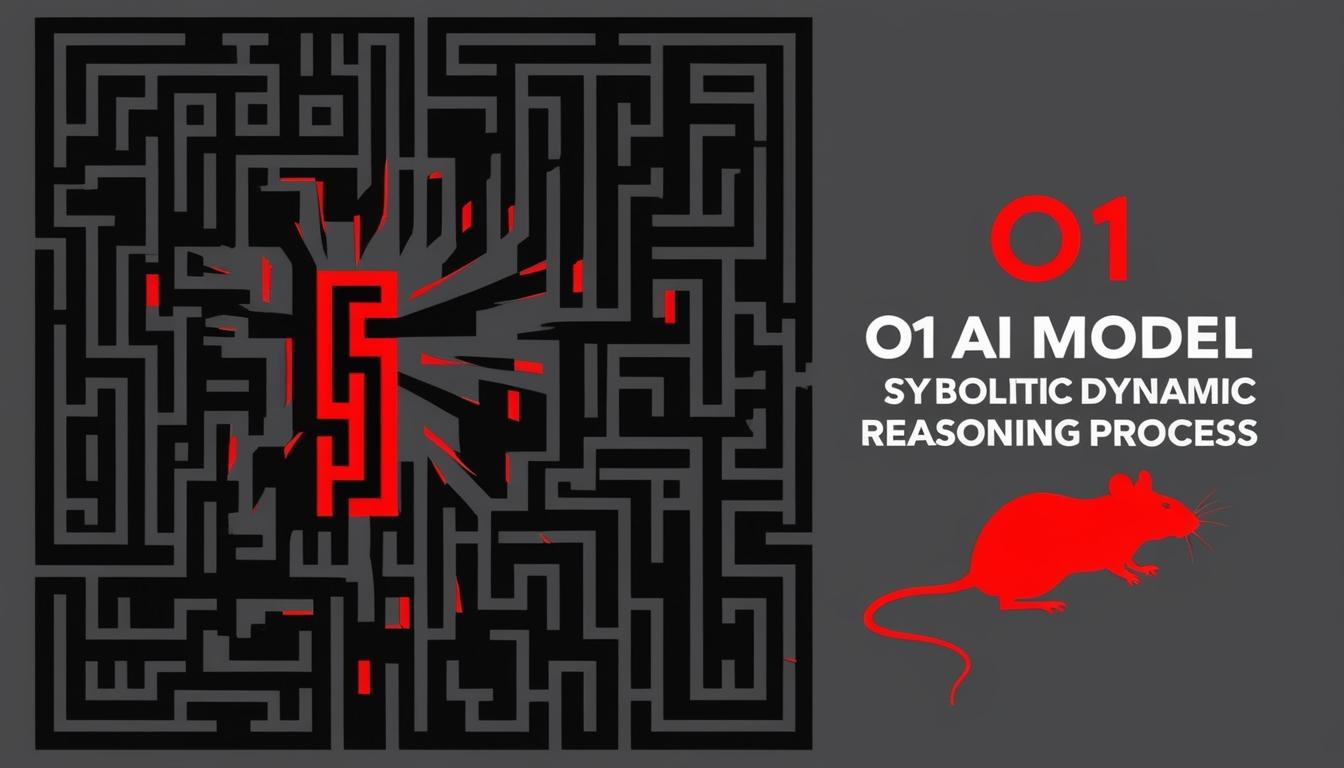
The o1 models may give a familiar impression to casual users who are accustomed to interacting with OpenAI’s previous GPT series, known for its chatbot capabilities. Users still engage with prompts to generate responses, yet o1's functionality deviates from merely imitating training data. Instead, it takes on a more dynamic role, akin to "a maze rat," traversing through potential responses while simultaneously assessing and refining its outputs before delivering conclusions. This enhanced model is especially adept at tasks requiring verifiable results, such as debugging computer code, although it demands substantial computational resources.
Sam Altman, OpenAI’s chief executive, has stated that the o1 model is “the smartest model in the world,” boasting capabilities that are expected to closely mirror human reasoning processes. This transition was anticipated following a preview of the o1 series on September 12, where OpenAI suggested the onset of an "Intelligence Age." The rhetoric surrounding this launch insinuates a far-reaching ambition for AI to assist humanity in addressing global challenges, including climate change and even space exploration.
Despite the grand claims surrounding the o1 models, there exists a level of scepticism regarding whether these innovations will achieve the promised enhancement of AI to the point of superintelligence. Nevertheless, the release seems designed not only to generate excitement about OpenAI's future direction but also to attract increased interest and capital at a time when generative AI's growth has appeared to plateau.
Mark Chen, previously the vice president of research at OpenAI, elaborated on the distinction of o1 from prior models, highlighting its ability to "reason," which he described as a cornerstone of human intelligence. As the technology evolves, the potential implications for businesses and industries become more nuanced, reflecting a landscape that is constantly adjusting itself in tandem with AI advancements.
In related cultural developments, The Atlantic recently published a script of the Broadway play "McNeal," by Ayad Akhtar, which explores the intricacies of creativity within the context of the generative-AI era. Actor Jeremy Strong, contributing a foreword to this publication, reflects on the vital role of human characters and performances in a world increasingly influenced by artificial constructs. Strong emphasises that without human elements, the art produced could risk becoming bereft of the depth and emotional resonance inherent in genuine human expression.
As businesses and industries continue to navigate this shifting terrain of AI automation and integration, the full impact of models like o1 remains to be seen, promising both transformation and an examination of the evolving relationship between human creativity and machine efficiency.
Source: Noah Wire Services