In the Netherlands, the family-run agribusiness Schuiling has made significant strides in adapting to contemporary agricultural challenges since its inception after World War II. Initially a humble operation, the company has transformed through various acquisitions and the diversification of its farming activities to include not only seed potato production but also lettuce farming and renewable energy ventures. Today, under the stewardship of third-generation leaders, brothers Wietze and Gosse Schuiling, the business focuses primarily on arable farming, with Wietze overseeing the seed potato segment while Gosse manages onions, sugar beets, and wheat.
A pressing issue faced by Schuiling was the task of packing seed potatoes, a complex process complicated by the need for agility in meeting varied order specifications. Alongside labour shortages, the rising demand for smaller, precise orders led to bottlenecks that impeded growth.
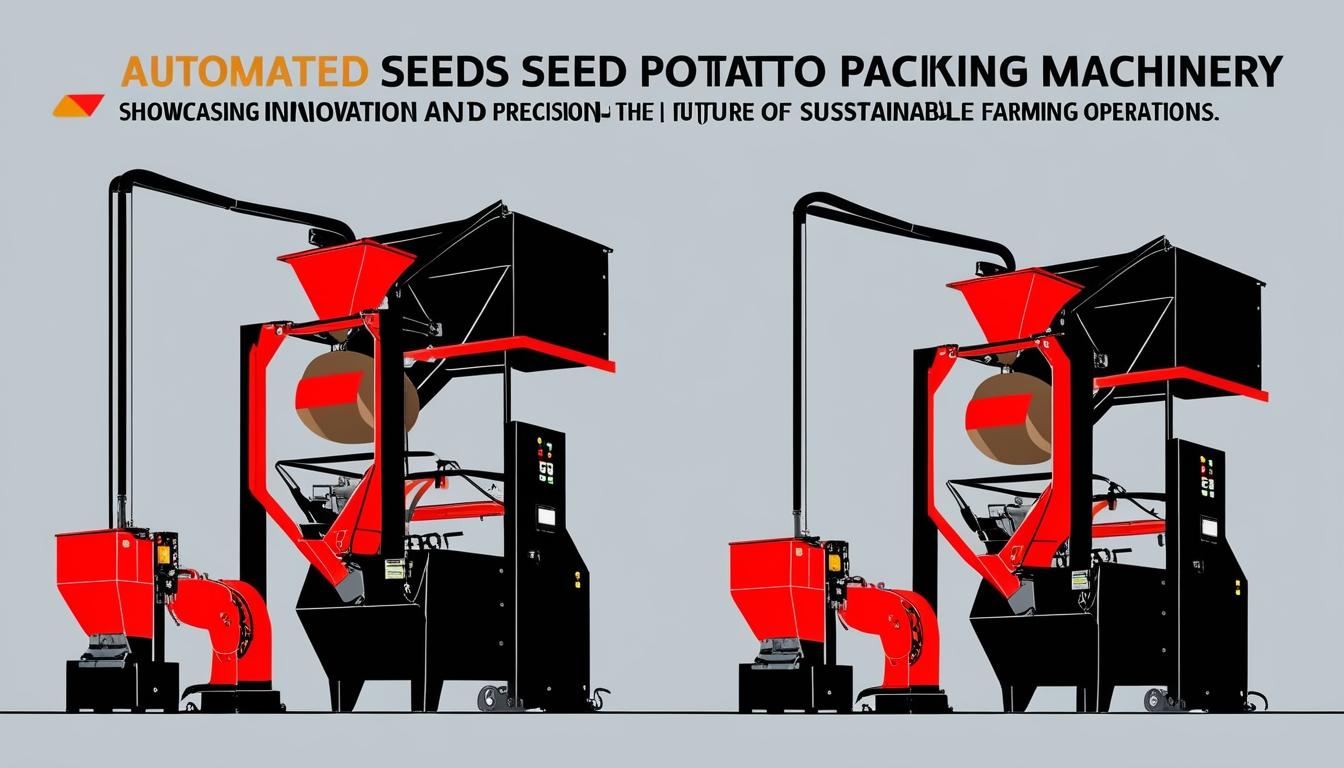
To tackle these challenges, Schuiling sought the expertise of Eqraft, a firm renowned for its agricultural automation solutions. The implementation of two advanced pieces of machinery—the combination scale and the Baxmatic—has significantly streamlined operations.
The combination scale automates the precise weighing of seed potatoes, which ensures consistency and minimises manual errors, enhancing the efficiency of their packing line. In contrast, the Baxmatic is an adaptable bagging machine capable of accommodating various sizes and types of packaging, making it particularly well-suited for a market that frequently requires customised packaging solutions. The interconnection of both machines allows for seamless communication and real-time adjustments, which are crucial for catering to diverse order requirements. The primary packing formats include jute bags of 25 kg and 50 kg, with the flexibility to handle smaller weights and different materials as needed.
The impact of integrating these machines is evident in several key areas for Schuiling. Firstly, productivity has increased, as automation reduces dependency on manual labour, effectively addressing workforce challenges faced by the company. Secondly, the enhanced flexibility in adapting to distinct packaging requirements ensures Schuiling remains competitive within a dynamic market landscape. Lastly, improved precision in weighing and packing reduces waste, leading to heightened customer satisfaction.
Wietze Schuiling highlighted the necessity of flexibility in their operations, stating, “We needed a solution that allowed us to adapt quickly to market needs, and Eqraft delivered that.”
This technological advancement at Schuiling reflects a larger trend within the agricultural industry, where businesses increasingly turn towards smart technologies to mitigate labour shortages and address growing market demands. A 2023 report by the International Potato Center predicts a 15% increase in global demand for seed potatoes by 2030, driven by expanding consumption and export markets. Such automated solutions, exemplified by those provided by Eqraft, are expected to play a critical role in meeting these demands effectively.
The investment made by Schuiling in automation illustrates a strategic move for agribusinesses aiming to harness technology for resilience in a competitive and resource-constrained environment. With Eqraft’s innovative solutions in place, the company not only addresses its immediate operational challenges but also positions itself as a forward-thinking player prepared for future developments in the global seed potato market.
Source: Noah Wire Services