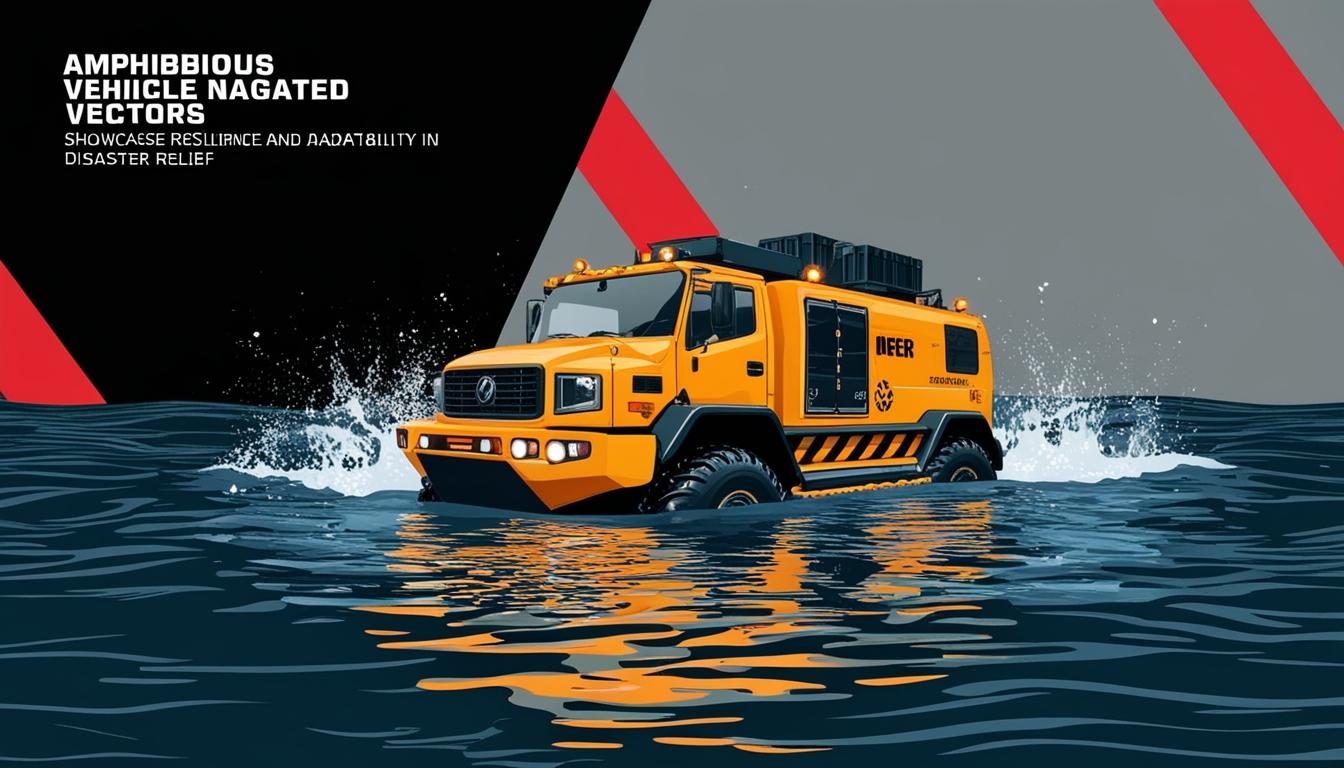
Amphibious vehicle technology is gaining prominence as a vital contributor to global transportation innovation, once viewed primarily as a niche solution. This evolution marks a significant shift in sectors such as logistics, disaster relief, and resource management, as these vehicles begin to bridge the gap between land and water, thereby extending the capabilities of industries and governmental operations.
The urgency for sustainable and adaptable transportation has intensified, especially in light of today's interconnected world. Amphibious vehicles fulfil this critical requirement while simultaneously offering new opportunities in areas such as humanitarian assistance and remote resource extraction. Discussions surrounding climate change and sustainability increasingly recognise the role these vehicles can play in mitigating such challenges.
According to recent data from Fortune Business Insights, the global market for amphibious vehicles is currently valued at approximately US$ 3.77 billion. The market is projected to grow at a compound annual growth rate (CAGR) of 8.0%, anticipating a reach of US$ 7.44 billion by 2032. This growth trajectory reflects a rising demand for flexible transport solutions, driven by the impacts of climate change on traditional infrastructure, including floods and hurricanes. Industries requiring access to remote resources, such as mining, forestry, and energy, are also turning to amphibious vehicles for reliable transport capabilities.
Governments worldwide are increasingly recognising the importance of amphibious vehicles in addressing logistical and infrastructural challenges, particularly in areas suffering from inadequate disaster response systems. Countries are now prioritising investments in such technology to enhance their operational capabilities in disaster-prone regions.
In challenging environments with limited or compromised infrastructure, amphibious vehicles prove invaluable due to their seamless transition between land and water. Their applications are vast and include:
Disaster Relief: These vehicles have demonstrated their effectiveness in delivering supplies and facilitating rescues during natural disasters. Their adaptability speaks volumes; for example, the World Food Programme (WFP) utilised them to transport over 400 metric tons of food in South Sudan, resulting in a reduction of 276 tons of carbon emissions compared to traditional methods, as noted in the WFP Logistics Report from 2017.
Industrial Logistics: Within the oil, gas, forestry, and mining sectors, companies are employing amphibious vehicles to transport resources across challenging terrains such as swamps and tundra.
Humanitarian Aid: Organizations like the United Nations depend on amphibious vehicles to overcome logistical obstacles in disaster-stricken areas.
One prominent example of the effective application of this technology is Sherp North America, which deployed its vehicles in Tampa, Florida, during Hurricane Milton. These vehicles aided in delivering food and medical supplies to flooded communities, highlighting their crucial role in emergency response.
The underlying advancements in engineering and design have facilitated the emergence of modern amphibious vehicles. Key growth-promoting technologies include:
- Low ground pressure, allowing operation in environmentally sensitive regions without causing damage.
- Exceptional durability, enabling consistent operation in extreme temperatures.
- Amphibious capabilities, ensuring functionality across diverse environments.
- Sustainability, with hybrid-electric powertrains designed to decrease carbon emissions.
- Digital integration, enhancing operational efficiency, particularly in remote areas via GPS navigation and telemetry.
These technological advancements have propelled the adoption of amphibious vehicles across various sectors including logistics, resource extraction, exploration, and ecotourism. Their reliability and adaptability are key assets in addressing operational challenges.
As businesses explore innovative applications of amphibious vehicle technology, new opportunities are emerging across several fronts:
- Disaster Preparedness: Companies are investing in these vehicles to improve disaster resilience and ensure the continuity of supply chains.
- Remote Market Access: Amphibious vehicles offer a cost-effective substitute for expansive infrastructure projects in lesser-developed regions.
- Tourism and Research: They are being adopted by the ecotourism industry for unique experiences, while research teams leverage them for environmental studies in fragile ecosystems.
Moreover, amphibious vehicles are becoming increasingly popular within private enterprise, allowing businesses to harness their adaptability for initiatives ranging from environmental conservation to adventure tourism.
In addressing the pressing issues of climate change resilience, sustainability, and operational cost-effectiveness, amphibious vehicles offer practical solutions for companies operating in challenging environments. Their ability to bridge the gap between immediate crisis response and long-term recovery makes them invaluable assets capable of delivering much-needed resources and assistance swiftly.
As the landscape of amphibious vehicles evolves, advancements in autonomous navigation and artificial intelligence, alongside the integration of green energy, promise to revolutionise operations further. The potential introduction of entirely electric amphibious vehicles may meet the growing demand for sustainable solutions.
This segment of transportation and logistics is poised for significant transformation, responding to contemporary challenges with innovative technologies. The strategic investment in amphibious vehicles signals a commitment to resilience and adaptability, positioning these vehicles as crucial components in a rapidly changing world.
Source: Noah Wire Services