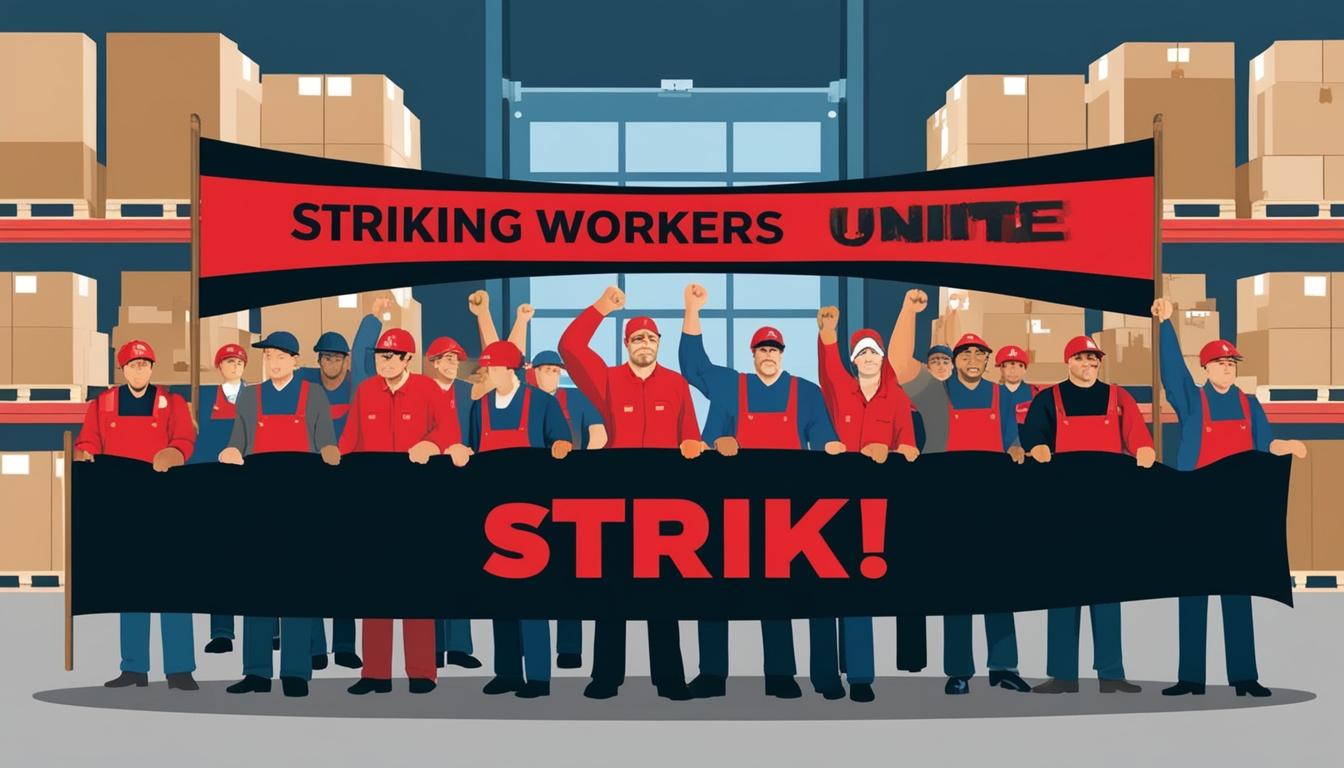
Woolworths supermarkets have announced the reopening of their major distribution centres following a resolution reached with the United Workers Union, which has been representing the striking warehouse workers. This agreement comes after a protracted strike that lasted 17 days, severely impacting the supermarket's supply chain as picketers blocked access to the Dandenong centre in Melbourne's southeast earlier on Saturday.
The United Workers Union clarified that the picketers were not officially affiliated with them, yet confirmed that workers across three warehouses in Victoria and one in New South Wales had voted in favour of accepting a revised offer. This decision allows for the resumption of operations at the affected sites, with hopes for a swift return to full functionality.
The union has pointed out that over 1,500 workers, along with their families, sacrificed their pay during the strike in pursuit of better wages, emphasising the importance of humane treatment in the workplace. A key point of contention was a performance management system known as the 'Woolworths framework,' which deploys algorithmic monitoring of worker performance, impacting pick rates and potentially compromising employee safety.
After extensive negotiations, the union succeeded in securing wage increases that surpass inflation rates. One of the significant outcomes of the new agreement includes a clause that protects workers from being disciplined based on their work speed. In a statement, union secretary Tim Kennedy remarked, "Today, warehouse workers at Woolworths have saved Christmas," further adding that they have taken a stand against threats posed to worker safety and wellbeing in the face of rising AI surveillance practices.
The arrangement brings relief to Woolworths as the company anticipates resuming full operations at its distribution centres just before the holiday season. In response to the resolution, Woolworths Chief Executive Amanda Bardwell expressed satisfaction with the new terms and competitive wages that have been established, stating, "We are pleased to have endorsed offers for new terms and conditions.” She noted the importance of reactivating the supply chain to restock stores, acknowledging, "Turning back 'on' such a large part of our supply chain will mean it will take some time for our stores to look their best."
The repercussions of the industrial action were notable, with reports indicating that it emptied thousands of supermarket and bottle shop shelves across Victoria, New South Wales, and the Australian Capital Territory, costing the supermarket chain at least $50 million. Additionally, on the eve of the strike resolution, Woolworths secured a legal victory when the Fair Work Commission determined that the union's negotiations had been unfair, labelling the protest picket lines as unlawful.
As the agreement takes effect, Woolworths is poised to restore its distribution capabilities, which are vital for meeting consumer demand during this peak shopping period. The implications of this resolution not only address immediate labour conditions but may also set a precedent for future negotiations surrounding worker treatment in an increasingly automated retail environment.
Source: Noah Wire Services