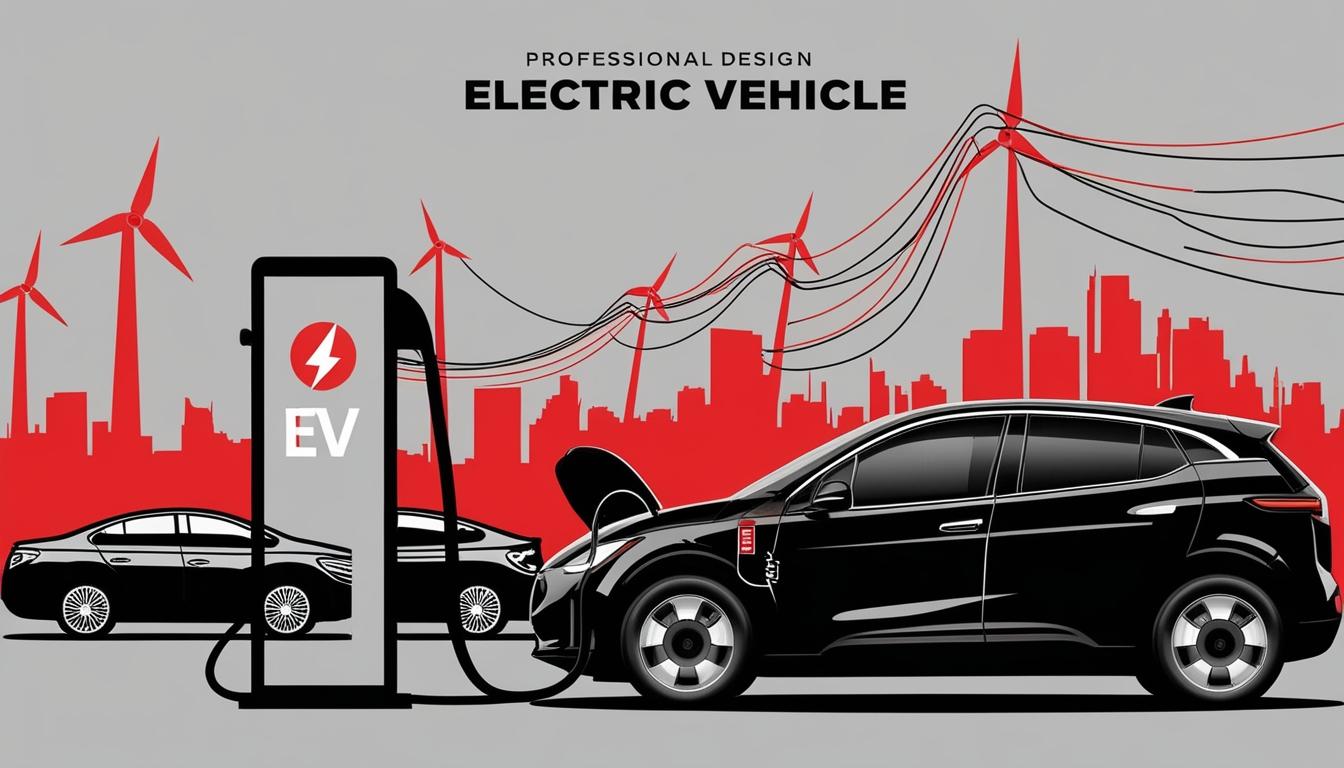
In November, electric vehicles (EVs) accounted for more than a quarter of all new cars sold in the UK, marking a significant rise in the adoption of battery-powered vehicles. This growth, which has continued for eleven consecutive months, saw sales increase by 58.4 per cent, amounting to 25.1 per cent of all new car registrations— the highest proportion recorded in nearly two years. Despite this promising figure, the Society of Manufacturers and Motor Traders (SMMT) warns that the current demand for EVs is bolstered by "unsustainable" manufacturer discounts, raising concerns about the long-term viability of this growth.
The data, released by the SMMT, reveals that overall new car registrations in the UK fell by 1.9 per cent in November, with 153,610 new cars hitting the roads. Concurrently, sales of petrol and diesel vehicles saw marked declines, with registrations dropping by 17.7 per cent and 10.1 per cent respectively. While EVs appear to gain momentum, industry leaders stress that this upsurge is masking the sector's ongoing challenges, primarily surrounding compliance with the government's Zero Emission Vehicle (ZEV) mandate, which imposes stringent targets on manufacturers.
Introduced in January, the ZEV mandate aims to elevate the percentage of electric vehicles sold annually in the UK, culminating in a complete phase-out of new petrol and diesel vehicles by 2030. The initial target for 2024 specifies that 22 per cent of all sales must be fully electric; however, figures suggest that manufacturers are currently lagging behind at just 18.7 per cent, despite offering nearly £4 billion in discounts to stimulate interest.
The SMMT notes that while manufacturers are striving to meet these ambitious targets, private consumer demand for EVs has dropped for the second consecutive year, falling by 3.3 per cent in November. Only 38.1 per cent of new registrations among general car buyers were electric vehicles last month, highlighting a substantial reliance on fleet sales, which make up a significant 59.9 per cent of total sales, but also witnessed a decline of 1.1 per cent to just 91,933 units.
Looking ahead, industry analysts predict that for the UK to meet the ZEV targets set for 2024, the market share of EV registrations will need a staggering increase of 53 per cent by 2025, equivalent to attracting an additional 90,000 consumers and businesses to make the switch to electric.
Compounding matters, Jon Lawes, managing director at Novuna Vehicle Solutions, criticized the ZEV mandate as "not fit for purpose," suggesting that policymakers need to either revise quota structures for a more gradual transition or reconsider penalties while enhancing incentives for adoption. He stressed the urgent need for the government to expedite its review of market regulations and incentives necessary for fostering a conducive environment for EV sales.
Concerns have also been raised about recent announcements in the Autumn Budget regarding increases in Vehicle Excise Duty (VED), which may further dampen EV demand among private buyers. James Hosking, managing director of AA Cars, noted the broader economic pressures affecting consumer priorities, which have stalled recovery in the market.
Despite these challenges, Mike Hawes, chief executive of SMMT, noted that manufacturers continue to invest heavily in developing new zero-emission models and creating attractive market offers, though he indicated that the current levels of incentivisation are not sustainable. The SMMT maintains optimism that with the appropriate regulatory framework, the UK could establish itself as a global leader in the transition to zero-emission vehicles.
Source: Noah Wire Services