As the workforce undergoes significant generational shifts, the entry of Generation Z (Gen Z) into various industries is redefining employment expectations and practices. With Baby Boomers retiring at an accelerated pace, job roles are increasingly being filled by this younger demographic, which comprises individuals born between the mid-1990s and early 2010s. This generational transition is taking place against the backdrop of the COVID-19 pandemic, which has notably impacted the career trajectories of many young workers.
Contrary to prevalent stereotypes that suggest young employees lack a commitment to work, a deeper analysis reveals a more complex reality. The older members of Gen Z, currently aged 28 and older, began their professional journeys amid the pandemic, a time marked by widespread layoffs and hiring freezes. As a result, many found themselves grappling with limited experience and facing hurdles in securing employment, leading to perceptions of being “unhireable.” Recent studies indicate that despite these challenges, Gen Z employees show a greater level of workplace commitment, staying at their organisations for 18 percent longer than their millennial predecessors did at the same career stages.
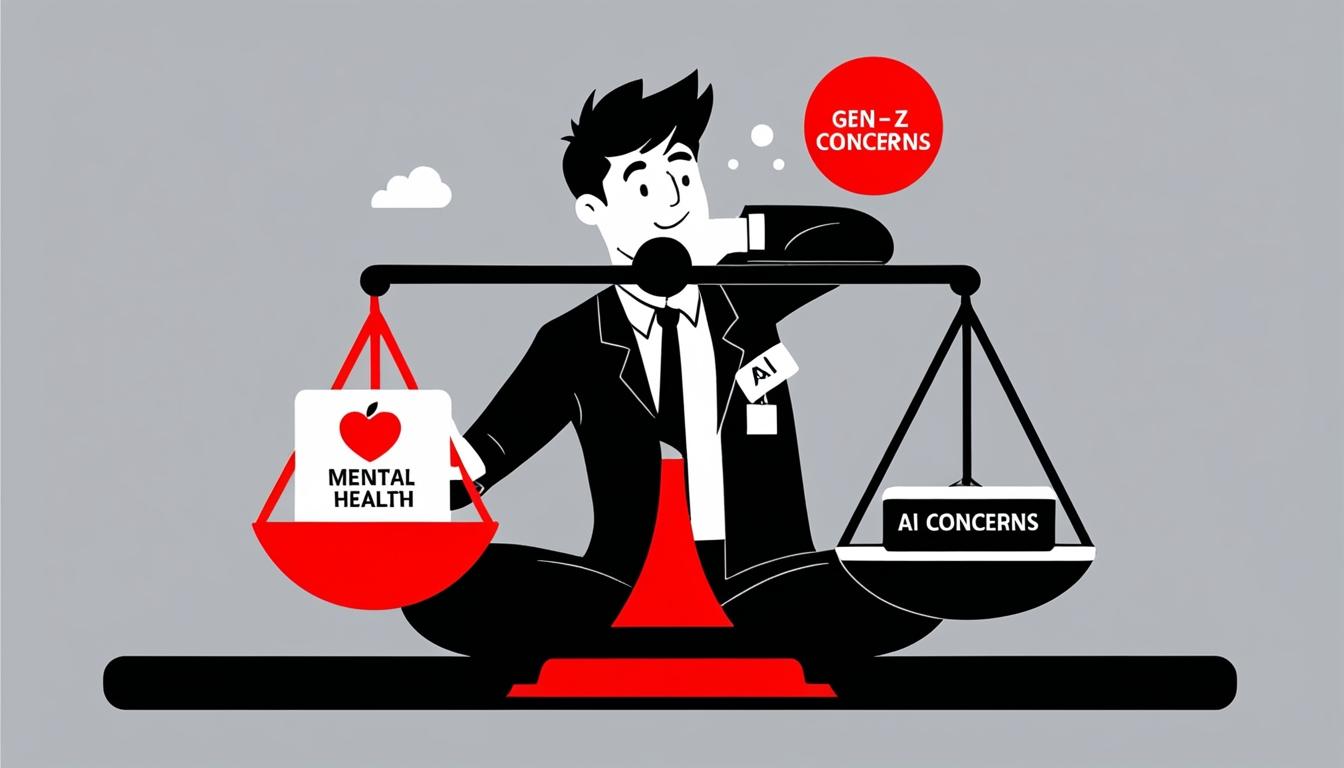
As Gen Z integrates into varying professional environments, they confront criticism for perceived unrealistic expectations of their roles. Insights from a McKinsey newsletter reveal that a majority of this generation values access to mental health resources when evaluating potential employers, with three in four respondents indicating this priority. Furthermore, Gen Z demonstrates a decreased stigma around conversations regarding mental health compared to older generations. However, the reception toward employer-led mental health initiatives appears mixed. Experts suggest that managers must foster a culture that encourages discussions about mental health and provide regular check-ins to identify and address any anxiety or stress among staff. Such proactive measures are suggested as vital in promoting wellbeing and maintaining productivity in the workplace.
Despite these forward-thinking attitudes, a Gallup survey published this year indicates that fewer young workers reported thriving in their professional lives than in the previous year, with nearly half of U.S. employees acknowledging struggles in multiple wellbeing areas. Notably, younger employees, particularly those under 35, reported lower thriving rates compared to their older counterparts, raising concerns about the mental health landscape among emerging workers.
In addition to mental health, Gen Z is seeking mentorship opportunities and a positive workplace culture. A survey cited by Fortune noted that 32 percent of respondents prioritised positions that offer direct mentorship from managers, underscoring the importance of supportive leadership for the professional development of younger employees.
Moreover, apprehension regarding the implications of artificial intelligence (AI) on the workforce stands out as a significant issue for this generation. A Forbes study indicated that 82 percent of Gen Z respondents expressed concern that AI could hinder skill development essential for their long-term goals. Additionally, 75 percent feared that automation might preemptively eliminate certain tasks before they could fully engage in their environments, highlighting a critical area of concern as technology advances in the workplace.
At present, Gen Z now constitutes approximately 16.8 percent of the workforce, a shift that contrasts with the diminishing numbers of Baby Boomers. Evidence suggests that this younger generation is not only prepared to engage in varying professional sectors but is also keen on learning and adapting to their chosen fields—provided opportunities for mentorship and supportive management are extended to them.
As Gen Z continues to establish its presence across numerous industries, the evolving dynamics of workplace expectations, mental health considerations, and the growing impact of emerging technologies such as AI will play a pivotal role in shaping business practices for the future.
Source: Noah Wire Services