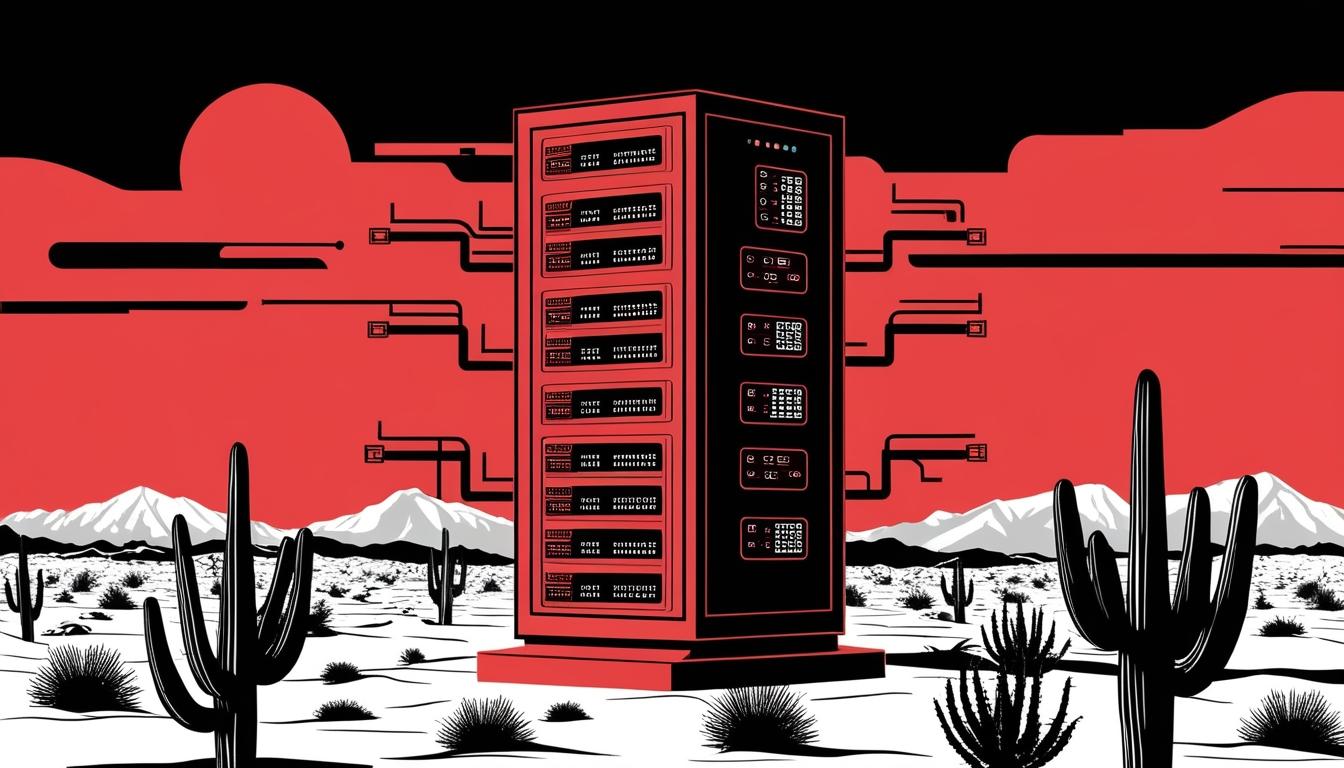
The rapid development of data centres, particularly in relation to artificial intelligence (AI), is inciting a complex dialogue in Nevada. As the state prepares for the reconvening of its Legislature in February, a range of concerns surrounding taxation, job creation projections, as well as power and water consumption loom large.
Historically, Nevada has been regarded as an optimal location for data centres due to its generous renewable energy resources, favourable tax incentives, a strategic position adjacent to California, and a generally stable geology. These factors have combined to give the "Silver State" a significant edge in attracting investments from the growing technology sector. However, as AI technologies have proliferated, this rapid growth has brought to the forefront critical questions about the sustainability and scalability of these infrastructures.
The Department of Energy (DOE) has begun exploring the challenges associated with expanding data centre operations. In July, the DOE released an advisory report titled, “Recommendations on Powering Artificial Intelligence and Data Center Infrastructure,” which outlines how the growing power demands of AI applications are straining local energy grids. According to the report, "The growing demands for power by data centers are stretching the capacity of local grids to deliver and supply power at that pace. A significant factor today and in the medium-term (2030+) is expanding power demand of AI applications."
The DOE aims to take an active role in addressing these issues, asserting its capacity to contribute to the development of innovative grid technologies and energy efficiency initiatives. The report highlights recommendations designed to anticipate and mitigate the potential impact of data centre growth, including calls for enhanced technical support for state energy planning departments to evaluate infrastructure investments and their repercussions on local communities.
This concern is further exacerbated in a predominantly arid state like Nevada, where water use presents another pressing issue. Although some data centres claim to have established water-saving technologies, it is widely reported that such centres can consume millions of gallons daily to maintain optimal operating temperatures for their computer systems.
Moreover, the competitive landscape among data centre operators is heating up. A legal confrontation has emerged in Northern Nevada between Switch, a notable player in the state's data colocation market, and land developer Tract Capital Management. Allegations of harassment towards competitors have surfaced, with CEO Rob Roy and Switch being accused of obstructing potential market entrants. As Switch's parent company, DigitalBridge, faces speculation about potential acquisition, the dynamics of Nevada's data centre market remain precarious and highly competitive.
As the Nevada Legislature prepares to convene, the discussion surrounding the challenges and implications of burgeoning data centres powered by AI is set to take centre stage. The response to these pressing issues will shape the future of the state's technology sector, determining how to navigate the complexities of energy and resource consumption while fostering economic growth.
This ongoing debate within the state reflects broader trends in AI automation and its potential impacts on business practices, which pose significant implications for advancements in technology and infrastructure in the years to come.
Source: Noah Wire Services