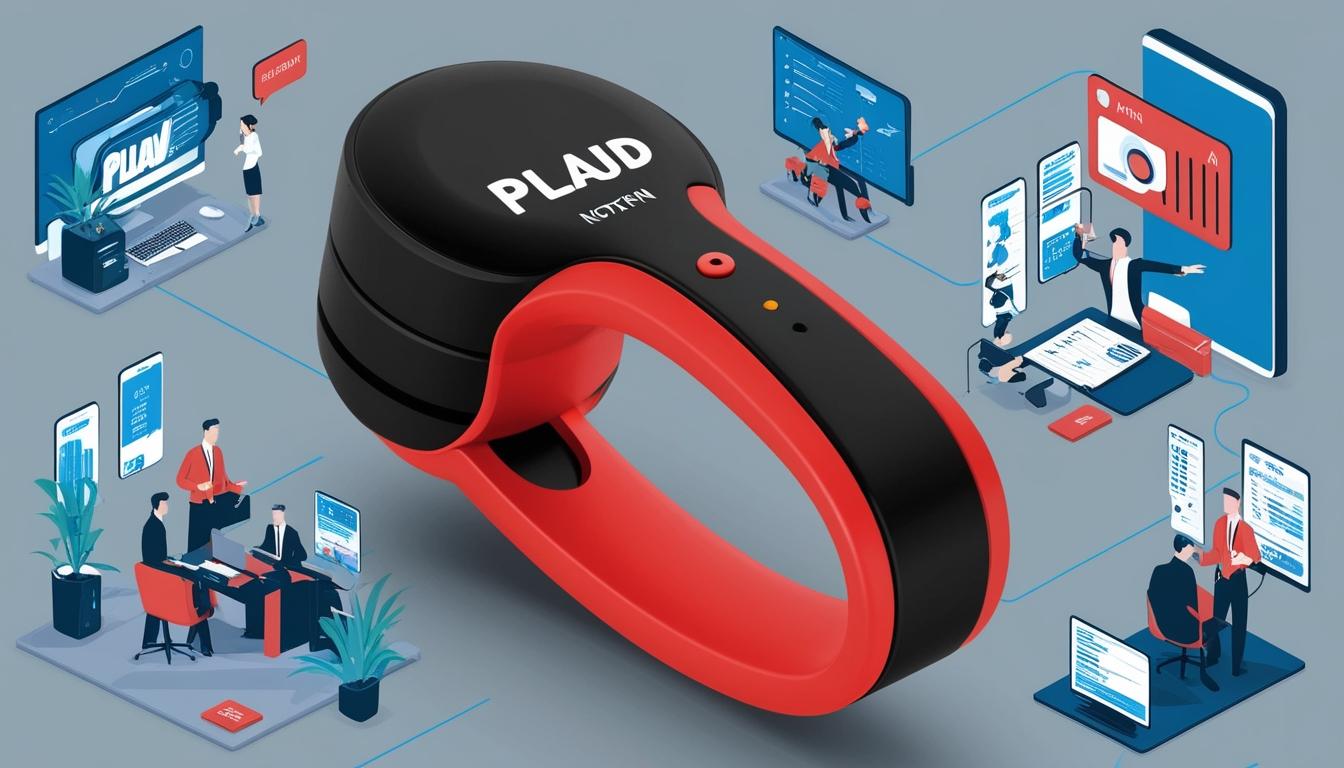
The landscape of artificial intelligence (AI) automation in business is rapidly evolving, with innovations such as the Plaud NotePin highlighting the potential of emerging technologies to enhance everyday workflows. The Plaud NotePin, developed by the technology company Plaud, is being described as a digital stenographer designed to effortlessly record and transcribe conversations. This device is particularly aimed at professionals and consumers looking for simplicity and effectiveness as they navigate their daily communications.
Earlier this year, discussions surrounding AI hardware peaked with various innovative devices making headlines. Products ranged from smart pins that aimed to replace smartphones to pendants intended to act as social companions. However, many of these offerings struggled to meet expectations, often failing in functionality or practicality. The trend suggested that although large language models (LLMs) are becoming increasingly beneficial, there remains a gap between their capabilities and the quality of hardware products integrating them.
Plaud's original device, the Plaud Note, offered an easy-to-use audio recording feature but faced criticism for its associated software, which required a subscription for advanced functionalities. Despite the positive reviews surrounding its straightforward design and utility for recording phone calls and memos, users found the software experience lacking, especially when compared to native recording options available on devices like Google Pixel smartphones.
In response to user feedback, Plaud introduced an enhanced version, the NotePin. This new iteration, featuring a sleek design, can be worn as a necklace, clipped to clothing, or fashioned as a bracelet. It operates with a single touch interface and an indicator light, simplifying the process of recording audio in various settings. Whether taking calls on speaker mode or engaging in in-person conversations, the NotePin digitises recorded dialogue and processes it through AI servers for transcription and summarisation.
Despite some shortcomings—such as mediocre audio quality and occasional transcription errors—the NotePin stands out for its ease of use and capability to consistently capture important information. Additionally, it offers features like the “Ask AI” function, which assists users in rapidly retrieving specific information from recordings. The device has a notable battery life, capable of recording for approximately four hours without interruption and recharging conveniently on a stylish dock.
While the Plaud NotePin has received praise for its enhancements over its predecessor, some users may still find elements of the software less than ideal, expressing a desire for improved usability for quick thoughts and memos. The limitations of the free tier subscription, which may not satisfy power users seeking more comprehensive functionalities akin to established service providers like Otter or MeetGeek, have also been pointed out. Nonetheless, the evolution of the Plaud NotePin signifies a broader trend in AI hardware development that aims to address gaps in user needs and enhance functionality.
As businesses continue to grapple with integrating AI technologies into their operations, the introduction of user-centred devices like the NotePin may serve as a bellwether for future advancements in AI automation and the increasing demand for seamless integration into everyday tasks. With a retail price of $169, the Plaud NotePin represents a step towards more sophisticated AI applications in personal and professional environments, serving a growing market interested in the potential of innovative tech solutions.
Source: Noah Wire Services