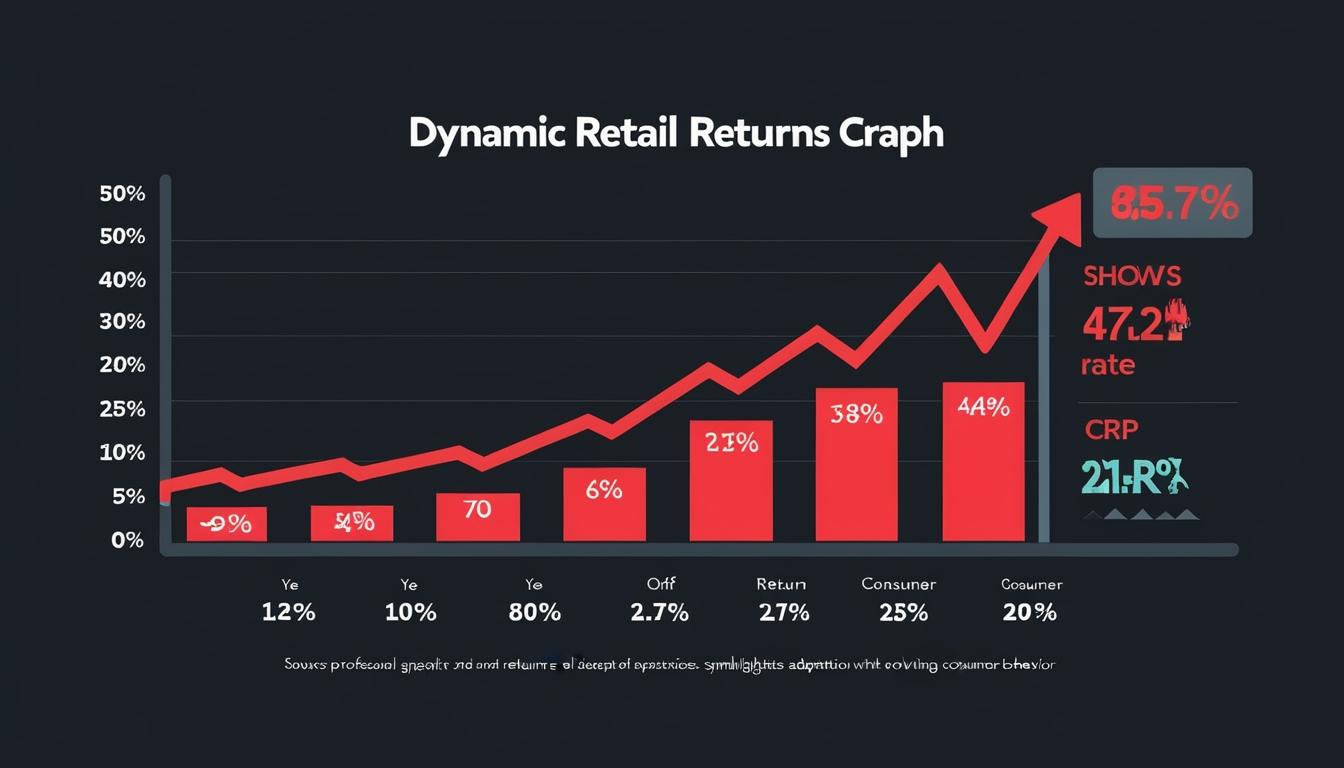
Merchandise returns in the retail sector are on track to reach an estimated $890 billion in 2024, representing approximately 16.9% of total sales. This growth, as reported by Forbes, signals a significant evolution in consumer behaviour and the necessity for retailers to adapt their strategies. Katherine Cullen, vice president of Industry and Consumer Insights at the National Retail Federation (NRF), highlighted the importance of returns as integral to the retail ecosystem, stating, “Returns play an important role within the retail ecosystem and offer an additional touchpoint for retailers to provide a positive interaction with their customers.”
The phenomenon of returns has seen remarkable growth in recent years. In 2019, the return rate was recorded at 8.1% of total retail sales; however, as the COVID pandemic accelerated the shift towards online shopping, the return rate escalated to 10.6% in 2020 and surged to 16.5% in 2021. The holiday season presents an even more pronounced challenge, with return rates estimated to reach 20.4%, according to reports by the NRF and Happy Returns. Retailers now face the dual challenge of maintaining high customer satisfaction through convenient return processes while managing the associated costs of handling these returns.
A rising trend among consumers is known as "bracketing," where individuals purchase multiple sizes of an item to try before deciding which to keep. This behaviour poses unique challenges for retailers who are confronted with increasing return rates not necessarily stemming from fraudulent activity but rather from customers' attempts to find the correct fit. David Sobie, CEO and co-founder of Happy Returns, remarked, "Bracketing is on the rise, especially among Millennials and Gen Z, and as their buying power grows, it's amplifying the challenges retailers face during peak seasons."
In response, retailers are now turning to sophisticated technology and data analytics to manage returns more effectively. Happy Returns has developed systems to consolidate individual returns into bulk shipments that are pre-verified, thereby streamlining warehouse operations. Sobie noted, “The impact has been significant, as with recent automation upgrades at Happy Returns, we've reduced shipping times by 35%, setting a new standard for speed and simplicity in the returns process just when retailers need it most.”
Moreover, the retail landscape is increasingly recognising the importance of a seamless returns experience as a driver for customer loyalty. Sobie added, “By offering convenient options like box-free and label-free returns with immediate refunds, merchants significantly enhance the customer experience while also reducing operational challenges and costs.” As consumer expectations progress, experts like Melissa Tatoris, the vice president of Retail at Zeta Global, stress the necessity for retailers to adopt innovative technologies to manage returns better and protect their profit margins, particularly in anticipation of the busy holiday shopping season.
In a survey conducted by Navar and Reshop, findings indicated that 51% of consumers are more likely to make a repeat purchase from retailers that do not charge for shipping and returns—a figure that increases to 66% during the holiday season. However, only 46% of merchants currently offer free return policies due to the logistical and financial challenges associated with such initiatives. Jason Brenner, senior vice president of Digital Portfolio at FedEx, pointed out, “Free returns are highly valued, but they can pose logistical and cost challenges, particularly for smaller retailers.”
As we move forward in 2024, the retail industry grapples with the complex dynamics of balancing customer satisfaction with profitability in returns management. Innovative strategies, particularly those introducing box-free and label-free returns, alongside emerging technologies, signify the retail sector's dedication to adapting to changing consumer behaviours. The ongoing dialogue around returns management is set to determine how retailers will navigate consumer needs amidst rising operational demands.
Source: Noah Wire Services