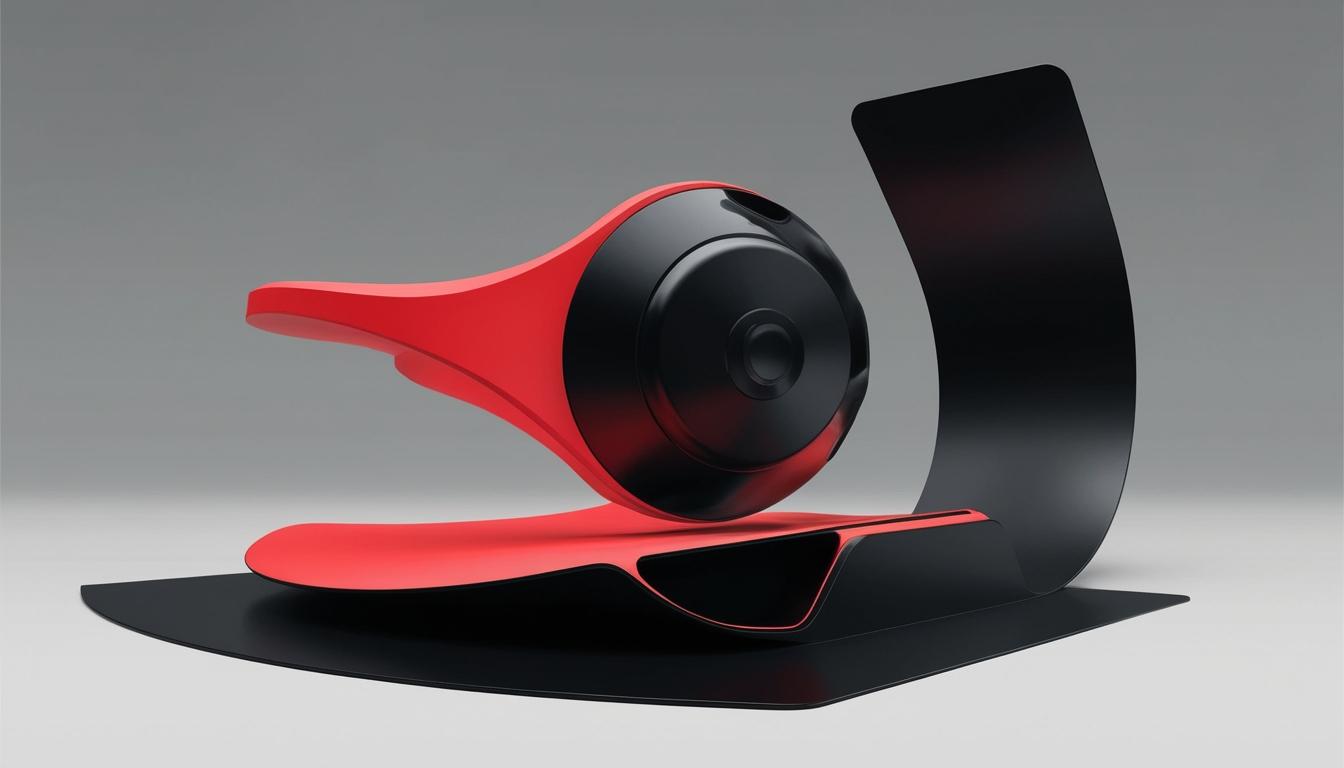
As the world approaches 2025, insights into the future of design are becoming increasingly relevant. Notably, KeyShot, a prominent 3D rendering software company with two decades of experience working alongside various stakeholders in the design sector, has identified several emerging trends that are expected to significantly shape the industry in the coming years. Their analysis, which encompasses shifts in skills, tools, and collaborative methodologies, underscores a transition towards more integrated and efficient design processes.
One of the major trends highlighted by KeyShot is the growing dominance of 3D renderings over traditional product photography. Past methods have often created bottlenecks due to the logistical challenges involved, including high equipment expenses, travel for on-site shoots, and the dependency on physical prototypes. These factors not only elongate marketing timelines but also inflate budgets. Modern consumers are increasingly expecting interactive visuals—such as animated and 360-degree views—before making purchases.
Oliver Yu, who managed imagery for a gaming accessories manufacturer, emphasized the advantages of switching to KeyShot Studio. He noted that the approach allows for the creation of digital visuals without the need for physical samples, ultimately resulting in significant cost savings. According to Yu, the transition to digital methods can save companies anywhere from $500,000 to over $10 million annually. This is echoed by the eyewear manufacturer Randolph Engineering, whose Art Director Jeff Davidson found that digital renderings saved considerable time and fostered collaboration between design and engineering teams.
Financial benefits aside, the impact of 3D renderings on sales is noteworthy as well. A study conducted by Shopify reported that 3D visuals can significantly enhance online conversion rates, achieving an increase of up to 94% compared to static images. This statistic illustrates why more brands are embracing digital rendering technologies to enhance their e-commerce performance.
Another trend that emerged is the shift towards digital prototypes in lieu of physical models. The challenges of tight budgets and timelines can often hinder product development, making digital representations an appealing alternative. Neil O’Connell, a veteran product developer for high-profile companies, pointed out that digital prototypes are not only quicker and more cost-effective but often lead to superior design decisions. The use of 3D renderings also facilitates clearer communication between technical and non-technical team members, as complex ideas can be conveyed through animations and visual aids.
In corporate environments like Sonos, 3D renderings are integral to the entire product lifecycle. Former design lead Stefan Reichert noted that these visual tools expedite collaboration across various teams—such as engineering, acoustic, and wireless divisions—fostering a more cohesive workflow.
A third trend is the push for more efficient team collaboration in design workflows. Many designers find themselves overwhelmed by administrative tasks that detract from their primary creative responsibilities. KeyShot has responded to this issue with the introduction of KeyShot Hub, a collaborative platform aimed at streamlining asset management. The Hub enables team members to access the most current file versions, diminishing the risks of miscommunication and redundancy. Garin Gardiner, KeyShot's Product Manager, explained that the platform is particularly beneficial for material management, allowing teams to work from a single material library for instant updates across projects.
The overarching theme defining the future of product design is enhanced connectivity. KeyShot’s Product Design-to-Market strategy reflects a comprehensive approach that enables designers to work more collaboratively, leveraging tools that enhance creativity and communication. The proliferation of 3D renderings, the transition to digital prototypes, and the efficient management of collaborative processes are cornerstones of this evolution in product design, positioning companies to adapt and thrive in a dynamic market environment.
Source: Noah Wire Services