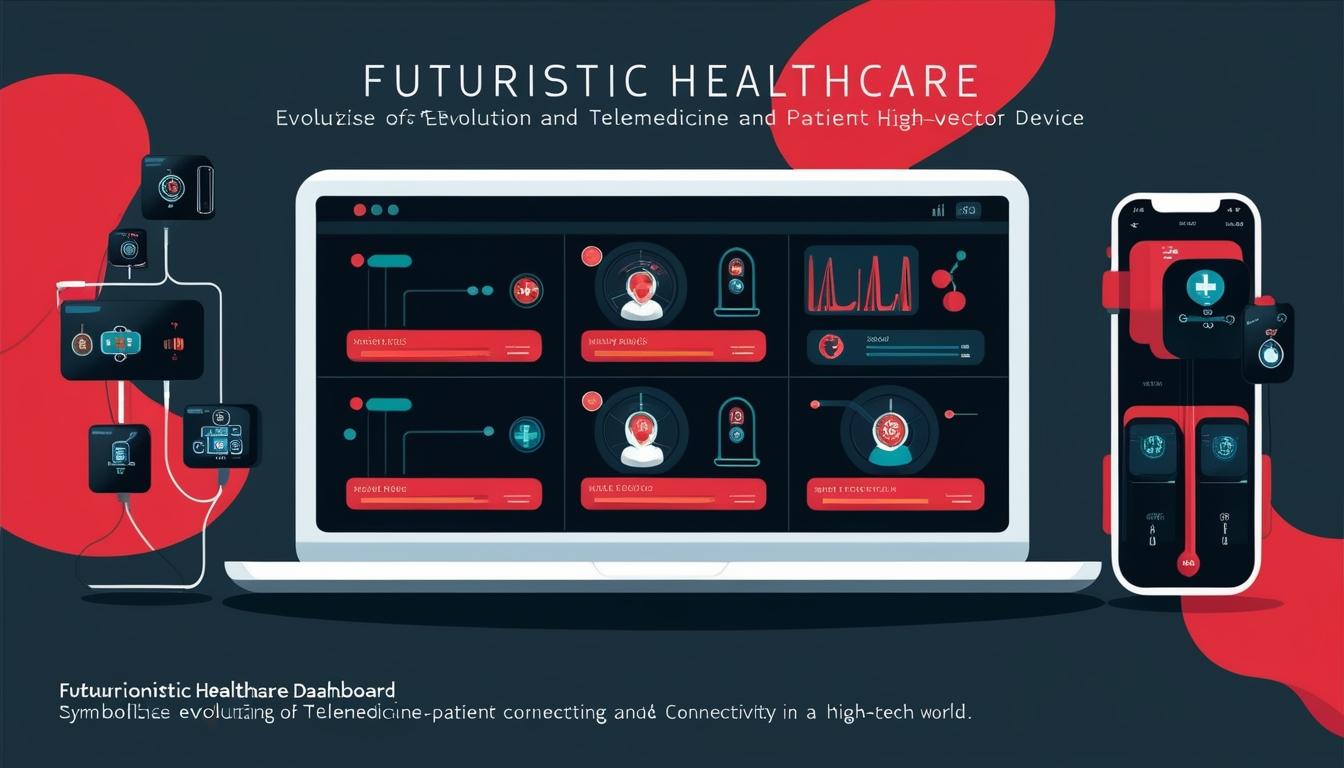
In recent months, healthcare systems around the world have faced considerable challenges driven by the need for cost reductions and alternatives to traditional in-person consultations. Amid this evolving landscape, the demand for remote patient monitoring technology has surged, spurring significant advancements that have transformed how medical care is delivered. The Seniors Lifestyle Magazine is reporting on these developments and their implications for the healthcare sector.
Remote monitoring refers to the utilisation of technology to track patients’ health metrics and facilitate communication between patients and healthcare providers. The urgency for health systems to accelerate their digital transformation was greatly influenced by the COVID-19 pandemic, which acted as a catalyst for the adoption of remote monitoring technologies. This shift has equipped medical professionals with the tools necessary to extend their reach, ensuring they can maintain continuous communication with patients and caregivers while monitoring vital health data remotely.
As remote patient monitoring technology gains traction, its accessibility and affordability have improved, enabling healthcare facilities to enhance the range of services available to patients. Several key types of remote monitoring have emerged, enabling healthcare institutions to deliver care efficiently without requiring frequent physical visits to clinics.
A prominent feature of remote monitoring is telemedicine, which connects patients with their healthcare providers through technological means. This approach helps maintain a high standard of care while minimising deviations from established medical protocols. Additionally, telemedicine allows healthcare facilities to gather quality medical data, a critical asset for ongoing research and treatment optimisation.
Another innovative aspect is the direct-to/from-patient model, where clinical supplies and samples can be dispatched to or collected from patients’ homes. This model significantly reduces disruptions to patients’ treatment regimens and enhances their overall experience.
Further improving patient convenience is the introduction of remote eConsent technology, which allows patients to digitally sign necessary consent forms and study documents from the comfort of their homes. This innovation not only streamlines the enrolment process for clinical studies but also ensures that all patients understand and acknowledge the required documentation without the need for physically visiting healthcare sites.
Home health care and nursing have also benefited from remote monitoring capabilities, facilitating off-site clinical trials and other essential health services directly in patients’ homes. Healthcare providers can prepare and administer medications, perform clinical assessments, and ensure patient compliance without necessitating an in-clinic visit.
The integration of devices and wearable gadgets into medical care represents a significant advancement. Tools such as digital blood pressure monitors, glucose monitors, and pulse oximeters allow for real-time tracking of patients’ health metrics. These devices continuously relay critical data to healthcare professionals, instantly flagging any sudden changes in health status.
The pandemic has served as a turning point for the healthcare industry, prompting a rapid evolution in service delivery models. Emerging remote monitoring technologies are reshaping the landscape by providing patients with convenient communication channels with their healthcare providers. This not only alleviates the burden on physical healthcare facilities but also fosters a more extensive environment for conducting medical research, paving the way for advancements that could enhance patient care in the future.
In summary, the evolution towards remote patient monitoring technologies appears poised to redefine healthcare practices, combining cost efficiency with patient-centric solutions. The shift towards remote interaction between patients and medical professionals represents a significant trend that is likely to shape the future of healthcare delivery as it embraces new technology.
Source: Noah Wire Services