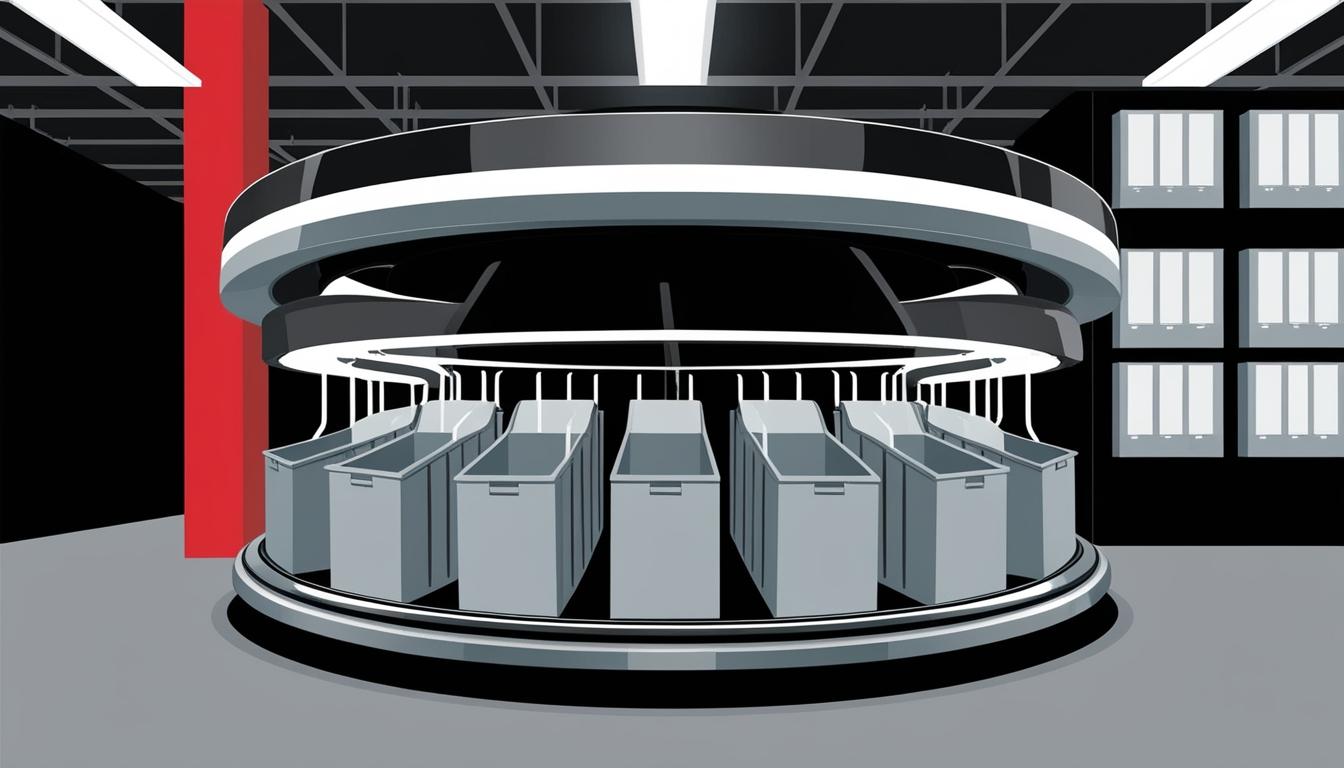
In the logistics and warehousing sector, efficiency is a critical component for success, and one technology emerging as a leader in streamlining operations is the warehouse horizontal carousel. This automated storage and retrieval system, often referred to as the "workhorse of the warehouse," plays an essential role in enhancing productivity, reducing labour costs, and optimising space utilisation, thereby revolutionising modern warehouse management practices.
Horizontal carousels are automated systems that consist of a series of bins or carriers mounted on an oval track. These bins rotate horizontally, bringing stored items directly to a designated workstation for operators. This design significantly decreases the time spent searching for inventory, making horizontal carousels particularly adept for applications that involve high-density storage and frequent picking of a wide range of small to medium-sized items.
The benefits of implementing horizontal carousels in warehouse operations are numerous. Firstly, they dramatically improve efficiency by enabling direct access to items, which cuts down walking and searching time. This is facilitated through pick-to-light technology that enhances both speed and precision during order fulfilment, thereby minimising human error. Secondly, these systems effectively optimise storage space by leveraging both vertical and horizontal dimensions, allowing warehouses to accommodate more inventory without the need for additional square footage.
Moreover, horizontal carousels contribute to substantial cost savings. The automation of picking processes reduces the dependency on manual labour, leading to lower operational costs while simultaneously boosting throughput. The accuracy afforded by these systems further decreases the likelihood of costly errors in order fulfilment, making them an attractive investment for many organisations.
Another significant advantage is the scalability and flexibility of horizontal carousels. They easily integrate with existing warehouse management systems (WMS) and can be adjusted to meet fluctuating inventory demands. Their versatility makes them suitable for a multitude of industries, including e-commerce and manufacturing, enhancing their appeal to a diverse range of businesses.
In terms of applications, horizontal carousels excel in multiple domains. They are particularly ideal for order fulfilment, especially in high-volume, multi-item orders. Furthermore, they facilitate efficient inventory management by ensuring accurate tracking and prompt access to stock. Their precision and speed also make them suitable for assembly operations, where they can supply components directly to assembly lines. Additionally, they provide support in handling returns, allowing for efficient processing of returned goods for restocking or redistribution.
Despite their advantages, there are certain challenges and considerations associated with horizontal carousels. The initial investment cost can be considerable, although the potential for long-term savings often outweighs this initial expenditure. Routine maintenance is also essential to ensure their optimal performance and lifespan. Additionally, operators may need specific training to competently utilise the system, which can entail further investment in human resources.
Looking ahead, the future of horizontal carousels appears promising as the trend towards warehouse automation continues to grow in response to rising demands. Advances in artificial intelligence and robotics are expected to enhance carousel capabilities further, increasing efficiency and adaptability within warehouse operations.
In conclusion, horizontal carousels maintain their status as vital components in modern warehousing logistics. By boosting efficiency, optimising space, and reducing operational costs, they enable businesses to maintain a competitive edge in an ever-evolving industry landscape. For organisations across sectors such as e-commerce, manufacturing, and retail, investing in a horizontal carousel system presents a strategic opportunity to enhance operational success and meet the challenges of future demands.
Source: Noah Wire Services