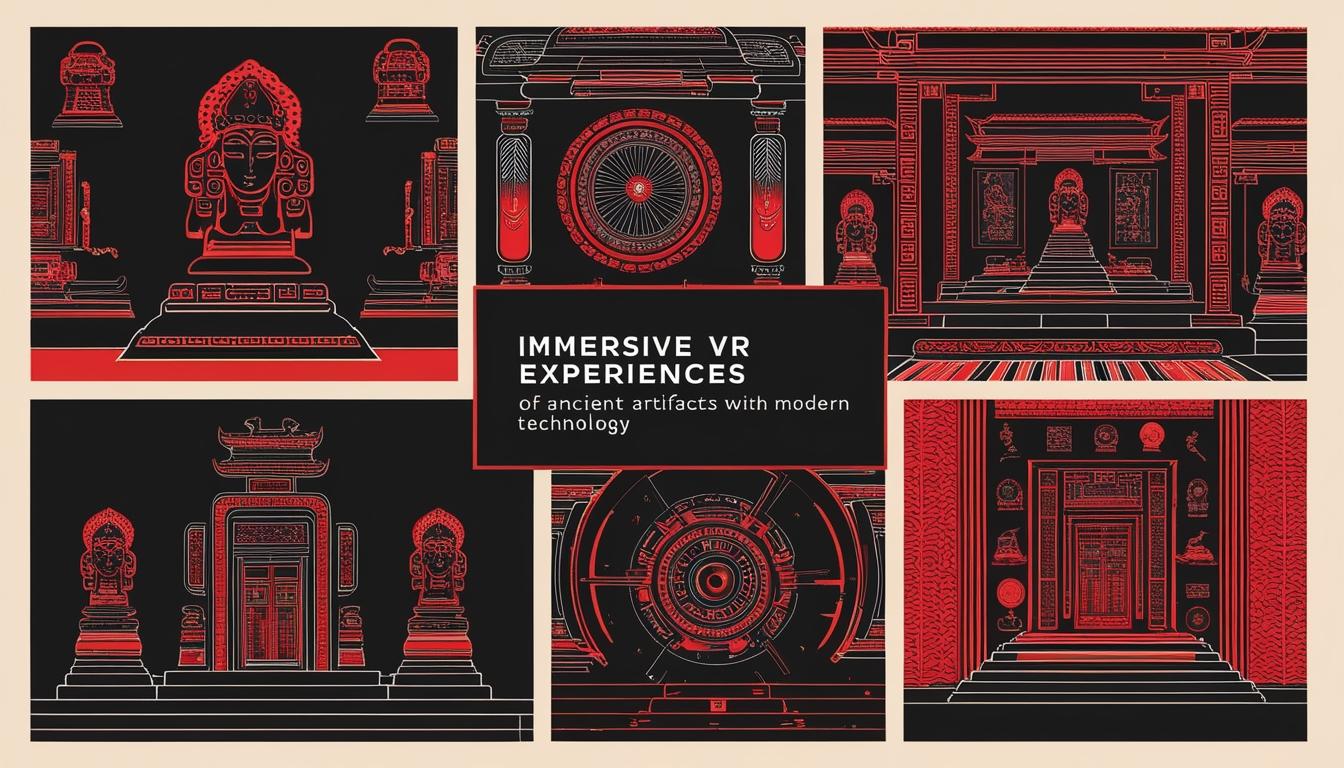
The landscape of cultural experience in China is undergoing significant transformation as modern technology intersects with traditional practices. A recent presentation by an associate professor of politics and law at the Party School of the CPC Central Committee outlines the burgeoning opportunities created by this convergence, highlighting how advancements such as big data, cloud computing, 5G, and artificial intelligence (AI) are reshaping both traditional culture and business practices.
One of the key developments in this sphere is the rise of digital museums and interactive exhibitions that leverage technologies such as virtual reality (VR) and augmented reality (AR). The Palace Museum, often referred to as the Forbidden City, is leading the way with around 900,000 pieces of its cultural relics digitised by the end of last year. Visitors now have access to more than 100,000 high-definition images, allowing them to experience these artifacts in an immersive manner through VR technology.
Similarly, the Dunhuang Academy, which oversees the Mogao Grottoes—an esteemed UNESCO World Heritage Site—has developed a robust digital system that integrates cultural heritage collection, processing, storage, and display technologies, thereby making traditional culture more accessible to the public.
Additionally, the influence of new generation information and communications technology (ICT) is felt across various sectors, leading to the emergence of new cultural demands. The popularity of traditional Chinese attire, particularly hanfu, exemplifies this trend. In 2023, the hanfu market reached a valuation of 14.47 billion yuan (approximately $2.06 billion), with projections estimating this figure will surge to 24.18 billion yuan by 2027.
The digital landscape has also fostered the growth of innovative products in the entertainment sector, notably illustrated by the video game "Black Myth: Wukong." Released on August 20, 2023, the game quickly gained traction and became a sensation on major gaming platforms. Within hours of its release on Steam, it attracted over 1 million concurrent players, doubling to 2.2 million the following day, and achieving sales of 8.4 million units within two days, generating revenue exceeding $400 million.
The integration of hard and soft power through technology has further catalysed the commercialisation of traditional culture. Various cultural artefacts, such as ancient paintings and sculptures, can now be digitally stored and showcased, enhancing user engagement and fostering greater appreciation. Advanced 3D printing technologies are also enabling the efficient replication of artworks, helping to meet consumer demand at lower costs.
A notable surge in interest in vintage brands and Chinese chic products further reflects this cultural renaissance. Official data indicate that the number of Douyin users purchasing vintage brands increased by 38 percent year-on-year, while revenue from renowned businesses on the platform surged by 89 percent. This trend underscores the alignment of tradition with modern consumer preferences, showcasing how traditional elements can successfully integrate into contemporary marketing and production strategies.
While the merge of technology and traditional culture reveals immense potential for business growth, experts suggest that continued efforts are necessary to fully harness these opportunities. Promoting digitalisation in industries, accelerating cultural heritage reconstruction, and ensuring the widespread availability of traditional cultural products and services through digital platforms are pivotal to this process.
Furthermore, emerging business formats, such as livestreaming, self-media live broadcasts, and popular variety shows, are increasingly complementing traditional culture, effectively broadening the scope of cultural products and enriching consumer experiences. The collaboration between traditional cultural elements and new media platforms is vital in attracting younger audiences and creating engaging content.
Promoting cultural revitalisation in rural areas is another avenue for fostering growth. Establishing intangible cultural heritage workshops could enhance local cultural heritage while supporting industrial development. Additionally, integrating unique local culture into tourism projects can augment the overall visitor experience, providing a richer context for cultural appreciation.
In summary, the evolution of traditional culture through the lens of modern technology is poised to shape the future of business in China, offering myriad opportunities for innovation and engagement across both urban and rural landscapes.
Source: Noah Wire Services