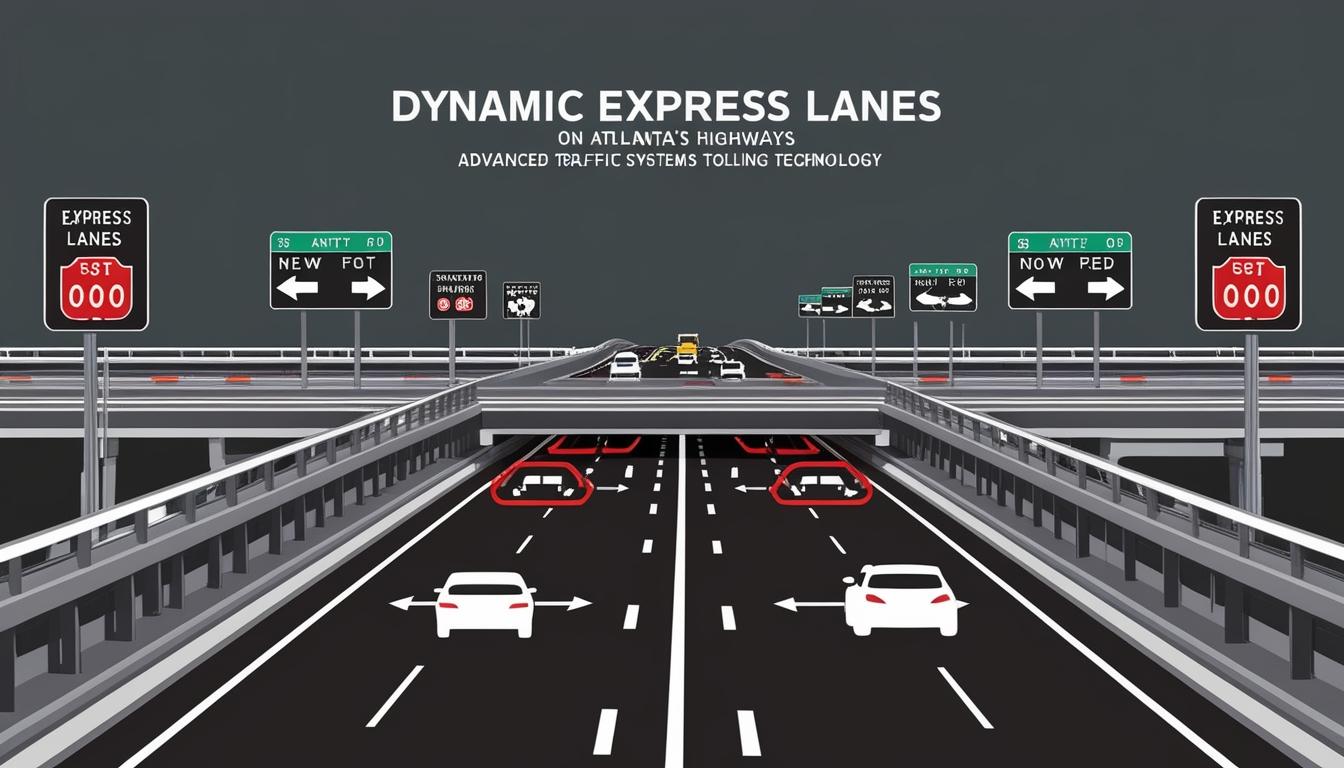
In a significant development for traffic management and tolling technology, the bustling highways of Atlanta, Georgia, are set to benefit from advanced mobility systems being implemented along the SR 400 Express Lanes. Indra, a global leader in traffic solutions, has been entrusted with this transformative project, which is a collaboration with the Georgia Department of Transportation (GDOT) and the Georgia State Road and Tollway Authority (SRTA). The SR 400 Peach Partners consortium, consisting of ACS Infrastructure Development, Acciona, and Meridiam, will oversee the design, construction, financial management, operation, and maintenance of the project over the next 55 years.
Emerging as the third fastest-growing city in the United States, Atlanta grapples with significant traffic congestion, making this innovation critical for the city's transport infrastructure. Indra's deployment plans include implementing a comprehensive traffic management platform, intelligent traffic systems (ITS), a dynamic operational back-office, and open road tolling (ORT) solutions. These systems will span over 16 miles of express lanes aimed at enhancing safety, reducing congestion, and delivering a seamless travel experience.
One of the noteworthy aspects of Indra's initiative is its incorporation of cloud-based technology, which will utilise advanced traffic prediction tools. This technology is designed to dynamically adjust pricing for managed lanes, optimising traffic flow and also minimising maintenance expenses. Raúl Ripio, Indra’s Managing Director of Mobility & Technology, stated, “The technology that we will deploy in SR 400 Express Lanes will create a new era of sustainable mobility. The new express lanes will be optional and facilitate advanced and flexible mobility solutions, reducing congestion and emissions and enabling travellers to enjoy excellent service and absolute safety.”
Safety remains a priority as these systems are engineered to provide real-time data analysis and connected vehicle technologies. This will allow for immediate responses to traffic incidents or emergencies, while predictive analytics will be employed to prevent bottlenecks. The tolling technology also promises high-accuracy vehicle classification tailored to various vehicle types, accommodating single-occupancy vehicles as well as high-occupancy vehicles (HOVs). This versatility aligns with Atlanta’s objective of promoting carpooling while easing the burden of single-occupancy vehicles on the road.
Indra's involvement in U.S. transportation infrastructure is not new; the company has previously made strides in several significant highway systems across the country. Their ORT system on Virginia's I-66 earned recognition through the IBTTA Toll Excellence Award, while innovations on I-95, I-495, and I-395 in Northern Virginia have streamlined connectivity in the region. Further, Indra's technologies are in use on I-485 in North Carolina, enhancing operational efficiency and improving travel experiences.
The impact of the SR 400 Express Lanes project extends beyond mere traffic management; it also resonates with broader sustainable urban development goals. By aiming to reduce congestion and emissions, Indra's contributions could mean a smoother flow of vehicles resulting in lower fuel consumption and a reduced carbon footprint.
Challenges are inherent in the deployment of advanced traffic systems in Atlanta, given the necessity for adaptation of existing infrastructure, securing public acceptance, and ensuring integration with current systems. Nevertheless, the potential advantages suggest promising pathways for smart mobility solutions, with Atlanta’s project likely serving as a model for similar initiatives globally.
Indra's collaboration with the SR 400 Peach Partners consortium reaffirms the value of partnerships in addressing urban mobility issues effectively. As Indra continues to innovate within the realms of traffic management and tolling, the SR 400 Express Lanes signify not merely an upgrade to Atlanta's transit network but also a pioneering step towards the future of smart transportation. For commuters in Atlanta, these express lanes are poised to deliver not only improvements in efficiency but an enhanced commuting experience as part of an evolving urban landscape.
Source: Noah Wire Services