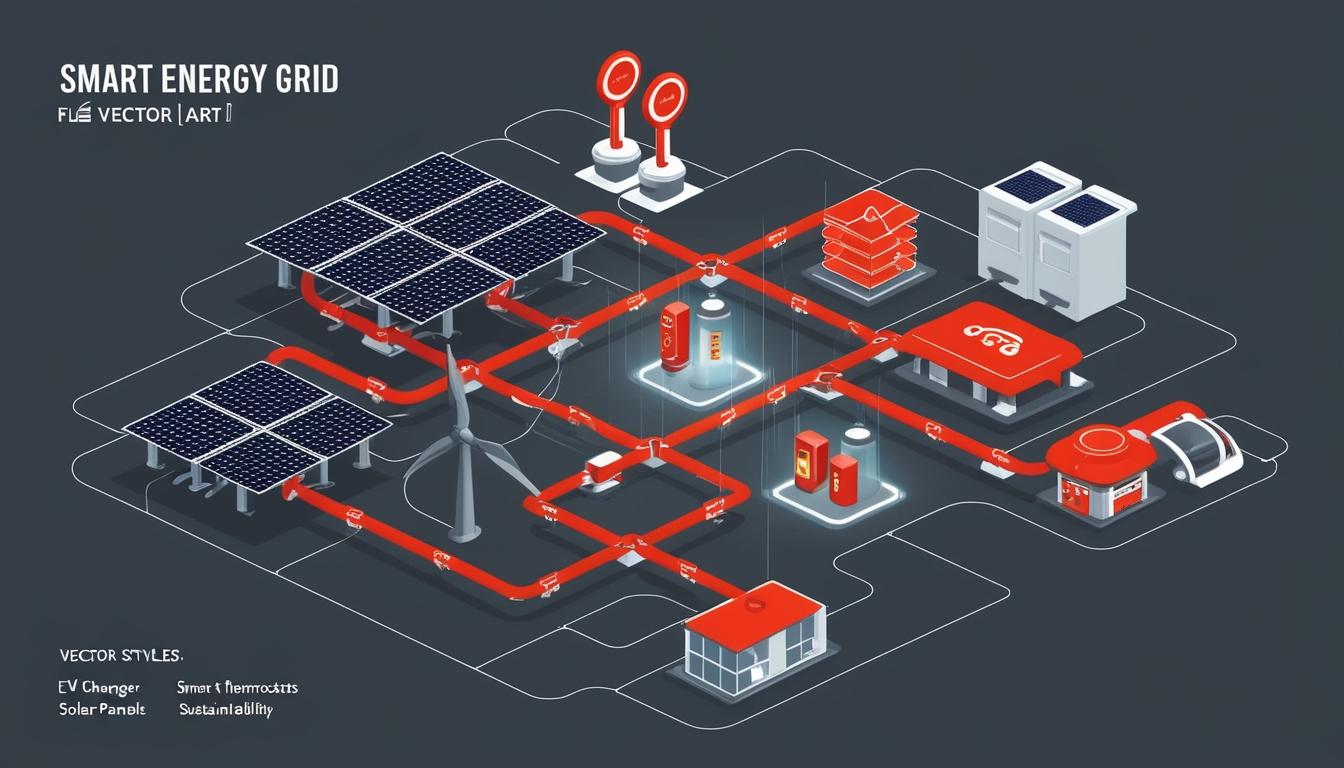
A new initiative known as the Project Mercury consortium has been established, spearheaded by the Electric Power Research Institute (EPRI), with the objective of enhancing the integration of low-carbon technologies into smart energy grids. The consortium, inspired by the successful development of Bluetooth standards, is led by Kraken, a firm renowned for its innovative approach within the energy sector.
The coalition aims to create guidelines and best practices that will enable various low-carbon devices—including electric vehicle (EV) chargers, heat pumps, solar panels, smart thermostats, and residential batteries—to operate harmoniously with the grid. This effort is viewed as essential to provide utilities with the tools necessary to operate more resilient and efficient energy systems, ultimately driving the energy transition towards a more sustainable future.
In an assessment of the importance of this integration, Arshad Mansoor, EPRI President and CEO, stated, “The ability for technologies to seamlessly integrate, effectively communicate and undertake tasks is critical for a modern energy system.” He highlighted that developing best practices for integrating advanced technologies is fundamental to increasing the adoption of low-carbon energy resources, thereby contributing to the goal of net-zero emissions by mid-century.
Devrim Celal, Chief Marketing and Flexibility Officer at Kraken, also underscored the urgency of transitioning to rapid electrification, advocating for unified sectoral collaboration to develop universal standards analogous to Bluetooth for low-carbon technology. Celal spoke to the necessity of these efforts, saying, “That’s why we’re uniting partners across the sector to develop universal standards – like Bluetooth for low carbon tech – to accelerate electrification and together build a sustainable energy future.”
The financial investment in low-carbon technologies has seen a significant surge, with consumers investing $184 billion in such innovations in 2023 alone. Looking ahead, projections estimate that over 200 million low-carbon devices will require integration with the grid by 2030.
The Mercury consortium boasts over two dozen founding members from a wide spectrum of the global energy sector. Notable utilities involved in the consortium include AusGrid, Con Edison, CPS Energy, E.ON Next, EDF Energy, and others, while manufacturers and technology providers also feature prominently. These include well-known companies like Easee, Enphase Energy, Amazon Web Services, and SolarEdge, among others.
Amir Orad, the CEO of Kraken, articulated the significance of the collaborative effort, suggesting that the diversity and expertise of the consortium's members are crucial to the successful advancement of its mission. “This is a call to innovators globally – let’s work together to accelerate the energy transition,” Orad remarked. He added, “Technologies and smart devices already make our lives wonderful, let’s help them all talk to each other to do the same for our energy system to make it more available and affordable.”
The creation of Project Mercury signals a concerted push towards redefining energy infrastructure to accommodate the burgeoning market for low-carbon technologies, simultaneously paving the way for improved sustainability and efficiency in energy consumption.
Source: Noah Wire Services