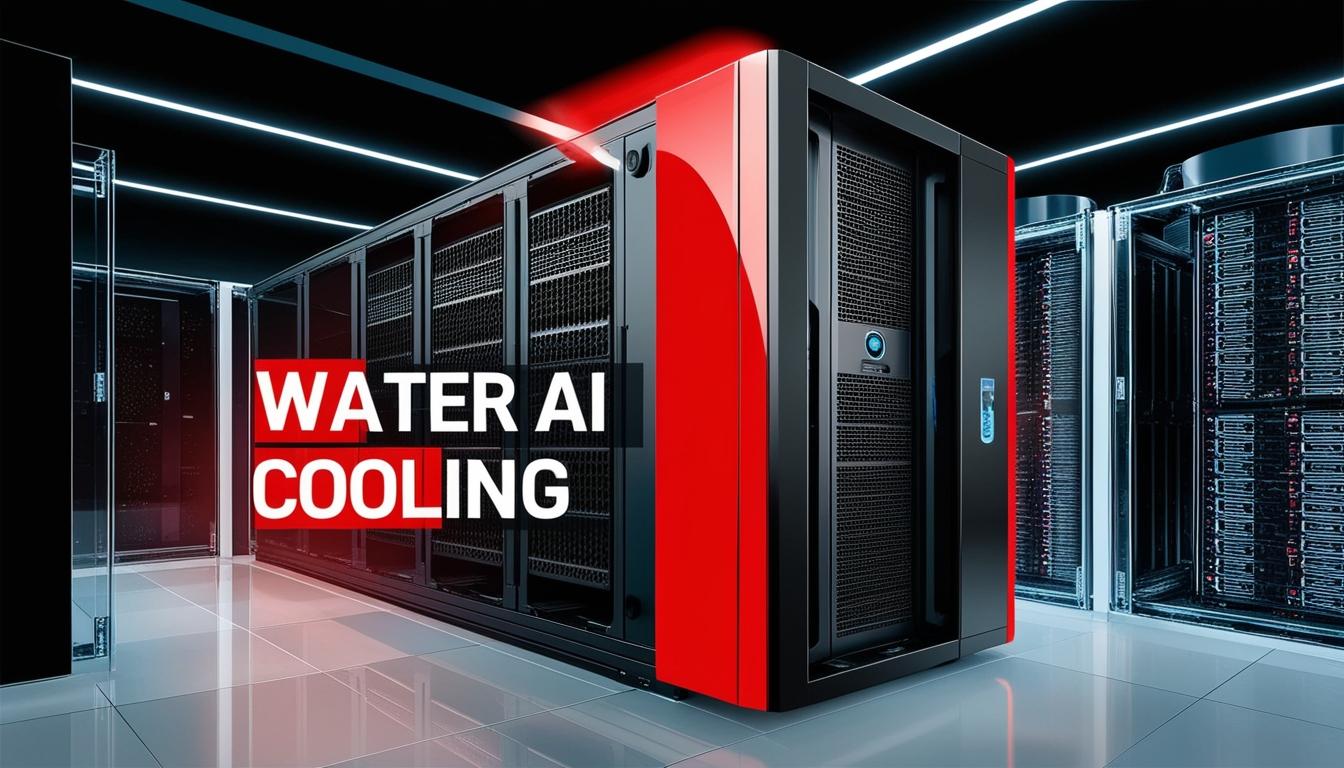
NVIDIA's introduction of the Blackwell processor is poised to significantly influence the landscape of AI automation across various businesses, as industry experts note an increased demand for advanced cooling solutions in data centres. The processor, characterised by its exceptionally dense architecture, generates substantial heat, which means traditional air cooling methods will no longer suffice once multiple units are installed in proximity.
In response to this thermal challenge, NVIDIA has unveiled a specification for a water-cooled rack, a move that is being rapidly adopted by server vendors such as Dell. Meanwhile, Lenovo has taken the lead in promoting water cooling technology through its Neptune water-cooling system, leveraging its acquisition of IBM’s x86 server business, which included advanced water-cooling technology. Given the risks associated with mixing water and high amperage electronics, experienced installation and maintenance providers are deemed essential by industry leaders to ensure both safety and functionality.
The rising recognition of Blackwell processors is underscored by comments from Jensen Huang, NVIDIA’s CEO, who candidly reflected on the uncertainties of investing heavily in AI technology during its nascent stages. Huang mentioned, "Had I been leading any other company but the one I founded, I’d have likely been fired... that black hole became a money fountain last year"—a statement highlighting NVIDIA's transformation into a powerhouse in the AI sector.
As demand for Blackwell continues to surge, manufacturers are being challenged to scale production to meet the needs, pointing to a broader trend within the tech industry for the establishment of more fabrication plants and foundries to facilitate processor manufacturing.
Industry forecasts suggest that as processors evolve and become even denser, the requirement for effective cooling mechanisms, particularly water cooling, will expand. This transformation is critical not only for performance optimisation but also for the well-being of staff working in data centres. Conventional air cooling methods are increasingly untenable as they create noisy and uncomfortable working environments, in addition to posing potential hazards to personnel engaged in server maintenance.
Recent advancements in cooling technology indicate a shift towards using warm water for cooling systems. This innovation significantly lessens costs associated with installation and upkeep while concurrently mitigating water waste and conserving energy. Such systems are progressively being expanded to cool more components within servers, enhancing the work environment for data centre personnel and extending the operational lifespan of critical hardware.
Looking ahead, there is anticipation that as companies ramp up their AI capabilities, the integration of warm water-cooled data centres will become a requisite consideration. Experts emphasise the importance of engaging with vendors that possess a robust track record in delivering these solutions to navigate the evolving technical complexities.
Rob Enderle, President and Principal Analyst of the Enderle Group, suggested that businesses ought to consider implementing these water-cooled systems in the latter half of the decade to accommodate the anticipated increases in AI processing demands. He noted, “Unless you plan to fully outsource AI to a Cloud service... enterprises likely need to put their most critical AI systems on-premise.” This insight highlights the possible inadequacies of cloud solutions in meeting the specific needs of enterprise-level AI applications.
As the dialogue surrounding AI automation and data centre infrastructure deepens, the shift towards warm water-cooling solutions reflects broader trends in the industry aimed at enhancing operational efficiency and employee safety in the rapidly evolving tech landscape.
Source: Noah Wire Services