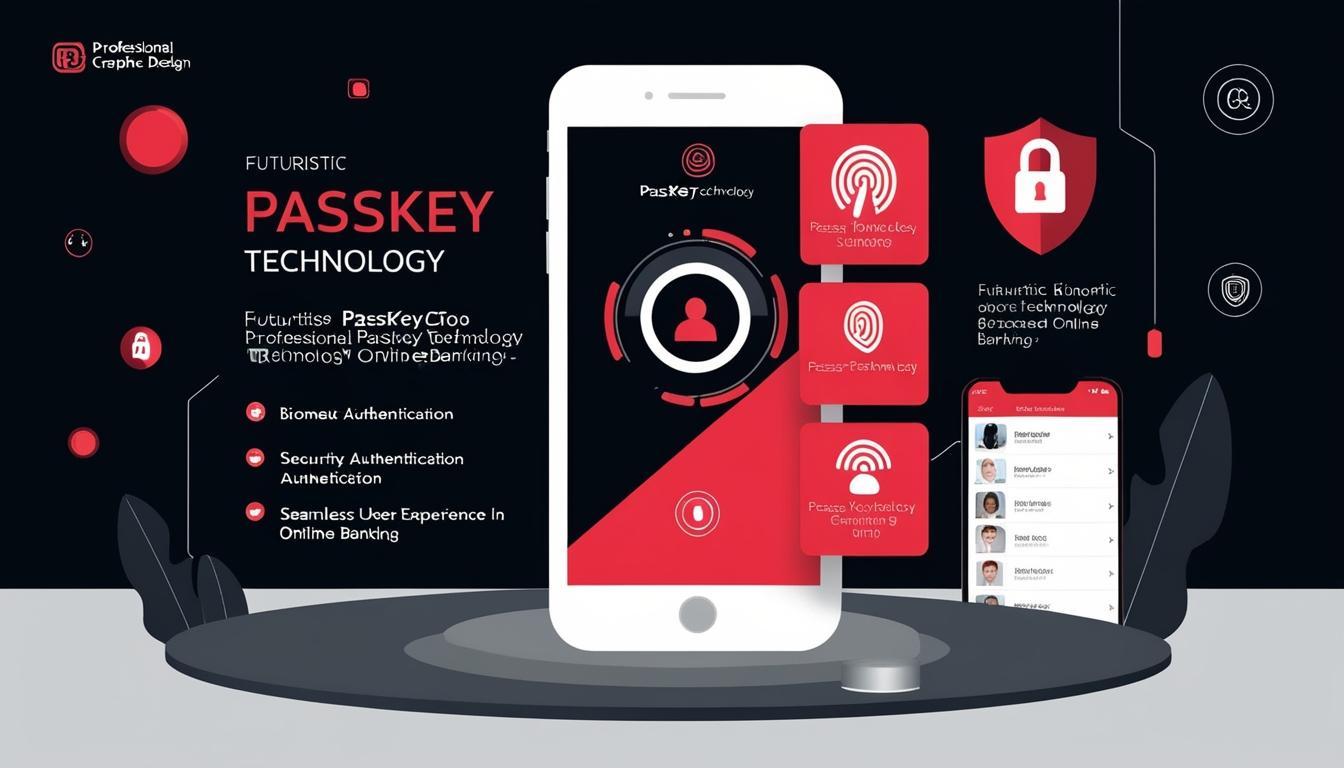
The concept of a passwordless future has been a topic of discussion for many years, yet it remains largely aspirational. Historically, passwords have been the cornerstone of digital security, complemented by security questions and one-time passcodes, which have proven increasingly vulnerable to fraud. Cybercriminals have exploited these weaknesses, obtaining passwords from the dark web, engaging in SIM swaps, and discovering flaws in static authentication methods that allow access to banking and financial services.
One of the emerging solutions to this security dilemma is the passkey, a streamlined digital credential designed for seamless login experiences across a variety of platforms, including websites, banking apps, and online accounts. Passkeys leverage biometric technology such as facial recognition or fingerprint scanning, alongside PINs, to authenticate user identity effectively. The FIDO (Fast Identity Online) Alliance has been instrumental in establishing interoperable authentication standards, resulting in a collective effort from major technology companies like Google, Microsoft, and Apple, which have all introduced their own versions of passkeys.
The market's readiness for passkeys appears promising. Research conducted by PYMNTS in collaboration with Entersekt revealed a significant level of dissatisfaction among consumers regarding the security measures employed by banks. The report highlighted that approximately 66% of surveyed individuals relied on passwords for account access, while just over half indicated familiarity with or usage of biometric authentication methods. These insights suggest a fertile ground for the adoption of passkeys.
Particularly noteworthy is the potential adoption of passkeys in Latin America. This region presents a unique combination of factors conducive to the widespread embrace of passwordless authentication. The PYMNTS Intelligence report "How the World Does Digital" noted that Brazil, in particular, is distinguished as the most connected economy, with an impressive average of 361 “activity days” in the digital space, far exceeding the regional average of 281. Moreover, more than 63% of the Brazilian population actively utilises mobile banking on a weekly basis, and there has been a notable decline in cash transactions across the continent.
Recent developments in the region include a partnership between Mastercard, Sympla—a prominent events platform in Brazil—and Yuno, a global payments orchestrator. This collaboration aims to introduce Mastercard’s Payment Passkey Service across Latin America, with a larger rollout expected to commence in 2025. According to Mastercard’s release, approximately 85% of respondents in Latin America expressed a preference for biometric authentication over traditional password-based systems when conducting online transactions.
In conjunction with these advancements, Mastercard’s tokenization technology is set to enhance transaction security by substituting the primary account number (PAN) with a token, thereby safeguarding card information from being disclosed to third parties. This allows consumers the convenience of selecting their Mastercard at checkout, or opting for a card already stored with a merchant, thus streamlining the purchase process while bolstering security.
Source: Noah Wire Services