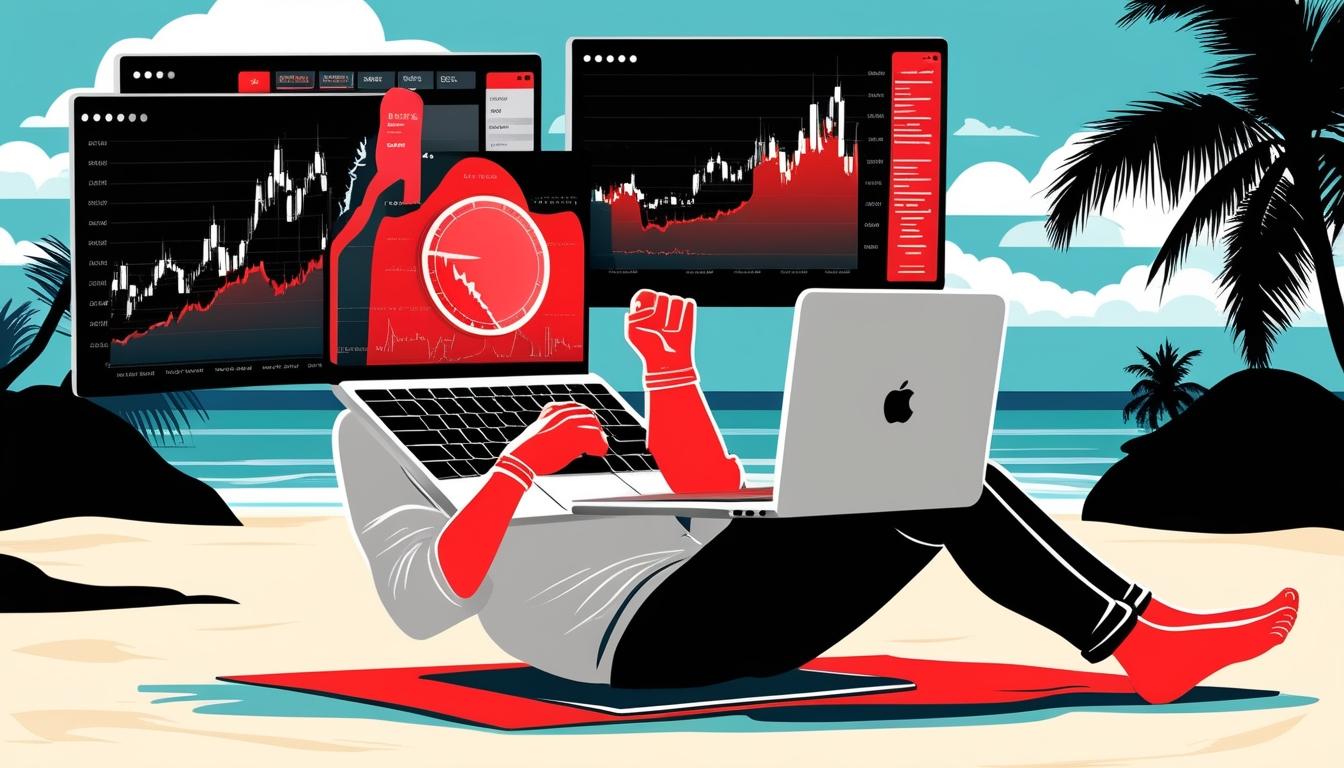
In recent years, the phenomenon of digital nomadism has garnered significant attention, particularly following the widespread adoption of remote work arrangements. This shift has given rise to a new class of professionals who are redefining the intersection of work, lifestyle, and investing strategies, with many closely monitoring digital asset markets, including fluctuations in the price of XRP.
Digital nomads, once considered unconventional, are now leading a global movement of individuals who combine location independence with astute financial stewardship. As the workforce evolves, adapting to market dynamics while also developing investment portfolios has become vital for those pursuing a mobile lifestyle.
Research indicates that since 2019, remote working arrangements have surged by a staggering 140%, opening the door to unprecedented opportunities for individuals seeking to live independently while still building wealth. Sarah Chen, a 32-year-old software developer, exemplifies this trend. Starting her mornings with yoga on a beach in Bali, she quickly transitions to managing her investment portfolio. "The traditional idea of waiting until retirement to enjoy life never sat well with me," Chen stated, illustrating her view that contemporary work and investment strategies can coexist effectively.
While the benefits of a digital nomad lifestyle are appealing, they also introduce unique challenges that necessitate robust risk management approaches. Financial advisor Marcus Rodriguez highlights the importance of comprehensive financial planning for mobile workers, pointing out that “digital nomads need to be particularly mindful of currency fluctuations, international tax implications, and maintaining emergency funds in multiple currencies”. Successful investors in this space implement various strategies including maintaining banking relationships across multiple jurisdictions and acquiring appropriate international health insurance.
Furthermore, digital nomads are increasingly leveraging virtual communities and co-working spaces to connect with like-minded individuals. These platforms serve as essential hubs for knowledge-sharing and networking, where members exchange investment insights, tax advice, and lifestyle tips. Notable resources like Nomad List and various cryptocurrency forums have transformed into intricate networks supporting digital nomads in navigating the complexities of their lifestyle.
Advancements in technology also play a critical role for these modern professionals. The utilisation of blockchain technology and decentralised finance (DeFi) platforms enables seamless cross-border transactions, which were once challenging for independent investors. Additionally, tools such as smart contracts and decentralised applications (dApps) are empowering these nomads to automate aspects of their investment strategies while retaining control over their assets.
As the trend of digital nomadism gains traction, many governments are adjusting their regulatory frameworks to support this emerging workforce. Countries such as Estonia and Portugal have unveiled specific visa programmes and tax incentives designed to attract digital nomads, signalling a shift in global mobility strategies. However, navigating these varying regulatory environments often requires the expertise of international tax advisors and legal professionals to optimise individual tax positions.
Sustainability is also becoming a priority among digital nomad investors, with many individuals taking into account environmental, social, and governance (ESG) factors in their investment choices. A growing number of nomads are focusing on offsetting their travel-related emissions through investments in renewable energy projects and socially responsible initiatives.
Looking to the future, industry experts are forecasting several trends within the digital nomad investment landscape. The integration of artificial intelligence for both portfolio management and tax optimisation is anticipated to become mainstream, along with the emergence of specialised insurance products tailored to location-independent individuals.
Moreover, there is a predicted emphasis on developing investment vehicles specifically designed for the digital nomad lifestyle, coupled with a heightened focus on sustainable and impact investing opportunities.
Conclusively, the rise of digital nomad investing signifies an evolution in how work and lifestyle intersect with wealth creation. As technology progresses and regulatory environments shift to accommodate this new way of living, individuals must centre their efforts on thorough financial education and strategic planning. The potential for achieving both financial success and lifestyle autonomy continues to grow, fundamentally altering perceptions of modern economic opportunities and practices.
Source: Noah Wire Services