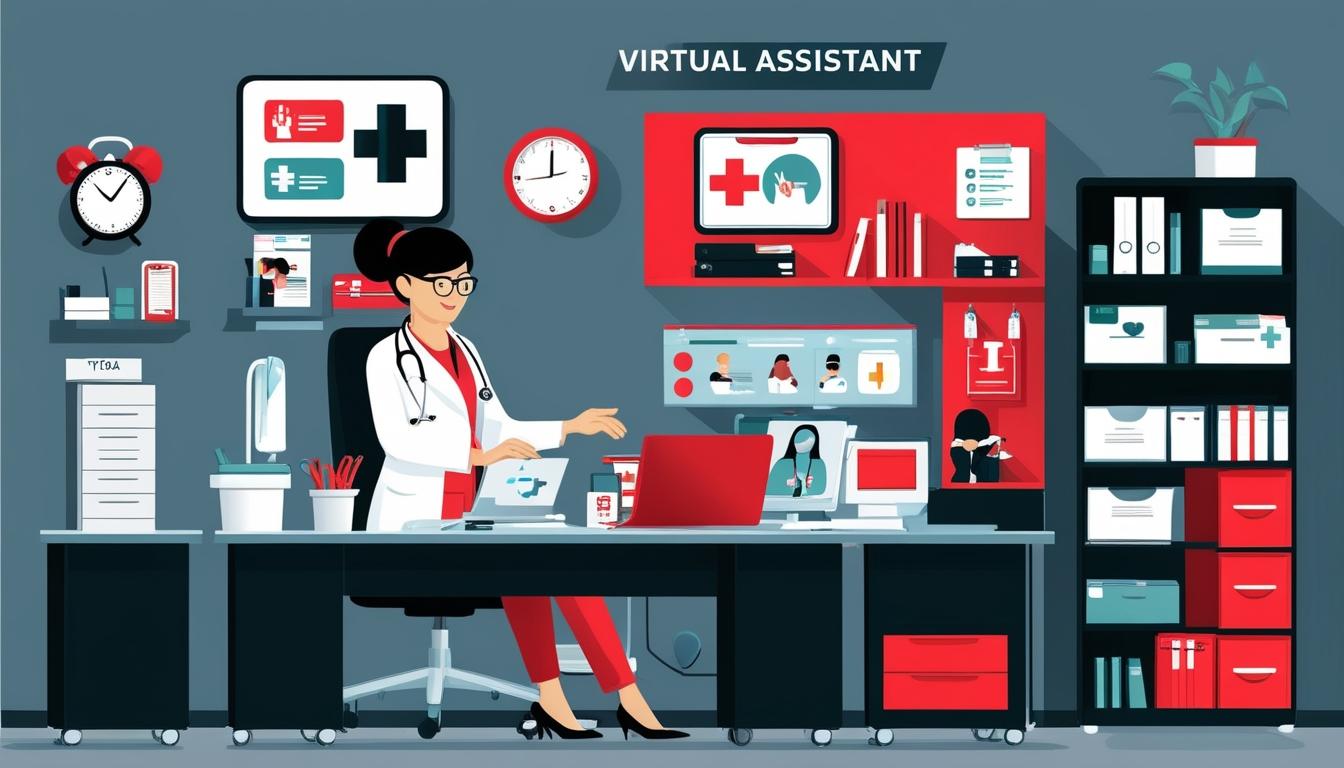
In the face of rising overhead costs and declining reimbursements, the American healthcare system is grappling with significant staffing shortages exacerbated by the COVID-19 pandemic. A solution gaining traction is the utilisation of virtual assistants (VAs), which have the potential to alleviate administrative burdens across medical practices by taking on tasks that would otherwise fall to overextended staff members.
The current healthcare landscape is marked by critical shortages of medical professionals, driven by various factors. A growing and ageing population, particularly one with multiple chronic conditions, has intensified the demand for healthcare services. This increased demand has made it more challenging for providers to offer timely care. Additionally, advances in medical technology necessitate a more extensive, skilled workforce capable of meeting the complex needs of patients.
Internal factors also play a role in these shortages. The educational path for healthcare professionals is long and intricate, leading to bottlenecks in training and limited enrolment opportunities in medical schools and nursing programmes. Burnout is prevalent among healthcare workers, with nearly half of them reporting feelings of exhaustion and dissatisfaction, leading to higher attrition rates. Global health crises, like the pandemic, have further strained healthcare systems, causing many workers to depart from the profession permanently. Regulatory challenges and economic constraints also hinder recruitment efforts, especially for international staff.
Amid these challenges, VAs are emerging as a practical staffing solution. They can efficiently manage various administrative tasks, such as scheduling appointments, handling patient records, managing insurance inquiries, and responding to patient communications. By delegating these responsibilities, healthcare providers can focus more on direct patient care, which potentially enhances both efficiency and patient satisfaction.
VAs can address current challenges prevalent in healthcare settings, including appointment overload, long wait times, decreased patient satisfaction, and staff burnout. They improve appointment scheduling accuracy, facilitate better patient engagement through follow-up communications, and provide necessary administrative support that helps streamline operations. Hiring a VA can also result in significant cost savings for practices, often making it a more economical choice than bringing on additional in-office staff.
When hiring a virtual assistant, medical practices should follow a strategic approach. This includes clearly defining the responsibilities of the VA, seeking candidates with healthcare or medical administration experience, ensuring adherence to HIPAA regulations for patient confidentiality, and assessing their technological proficiency. Effective communication skills are vital for interacting with both patients and healthcare team members. Though not required to be physically present, considering a VA's availability in relation to the practice's operational hours is essential. Starting with a trial period can help ensure the chosen candidate is a good fit, allowing for adjustments before long-term commitments are made.
Dr. Neil Baum, a Professor of Clinical Urology at Tulane University, highlights the potential benefits virtual assistants can have on healthcare staffing challenges. Speaking to Physicians Practice, Dr. Baum notes that while further data is still needed to understand fully how VAs might influence no-show rates, the increased efficiency they offer could mitigate some logistical hurdles associated with missed appointments.
Overall, virtual assistants stand as a viable response to the staffing shortages plaguing healthcare today, offering a cost-effective solution that allows medical practices to maintain or enhance service quality while reducing operational stress on existing staff. This shift towards leveraging remote support underscores an evolving approach to healthcare delivery, one that expands the possibilities of efficient patient care without necessitating physical presence in the office.
Source: Noah Wire Services