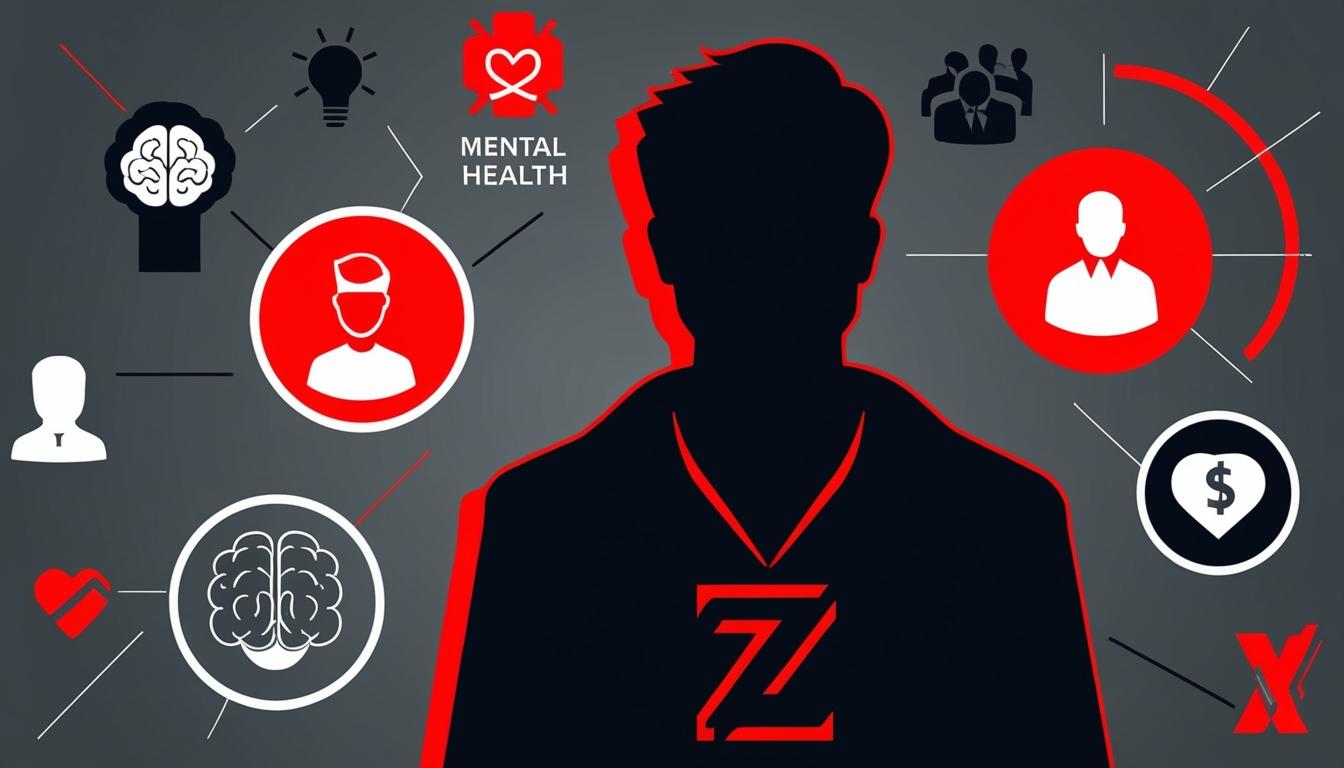
In a recently published paper, Dr Simon M Smith, Principal Lecturer at Oxford Brookes Business School, has highlighted the evolving expectations of the current workforce, particularly those from Generation Z. The research, conducted by market research firm Walnut Unlimited, surveyed over 1,200 individuals spanning four post-war generations: Baby Boomers, Generation X, Millennials, and Generation Z.
Dr Smith underscores that the expectations of Generation Z, defined as those born between 1997 and 2012, reflect significant shifts in societal norms and workplace priorities. "Gen Z’s expectations from work, while sometimes viewed as unrealistic, are reflective of the changing societal norms and workplace priorities,” he mentioned. This generation's upbringing amidst technological advancement and global crises, including climate change and political unrest, has not only shaped their perceptions but also heightened their awareness of mental health and social equity issues.
The study noted that younger workers report lower job satisfaction compared to their older counterparts. This discontent stems from their aspirations for rapid career advancement, enhanced mental health support, and a demand for workplaces that actively demonstrate commitments to diversity and inclusion. According to Dr Smith, these aspirations should not be misconstrued as "entitlement or fragility", but rather as rational responses to the distinctive pressures that Generation Z faces, particularly as they navigate the complexities of a post-pandemic work environment.
The findings also reveal an unsettling trend of increased burnout and anxiety levels among Gen Z employees. "By understanding their needs and addressing misconceptions, companies can build a loyal and motivated workforce," Dr Smith explained. He posits that the generation's focus on mental health, career opportunities, and fairness could serve as a foundational blueprint for the future of work.
The paper invites corporations to reconsider their strategies in order to cultivate a more supportive and inclusive atmosphere for the new generation of workers, acknowledging that in addressing these issues, businesses may not only retain talent but also foster a more engaged workforce.
Source: Noah Wire Services