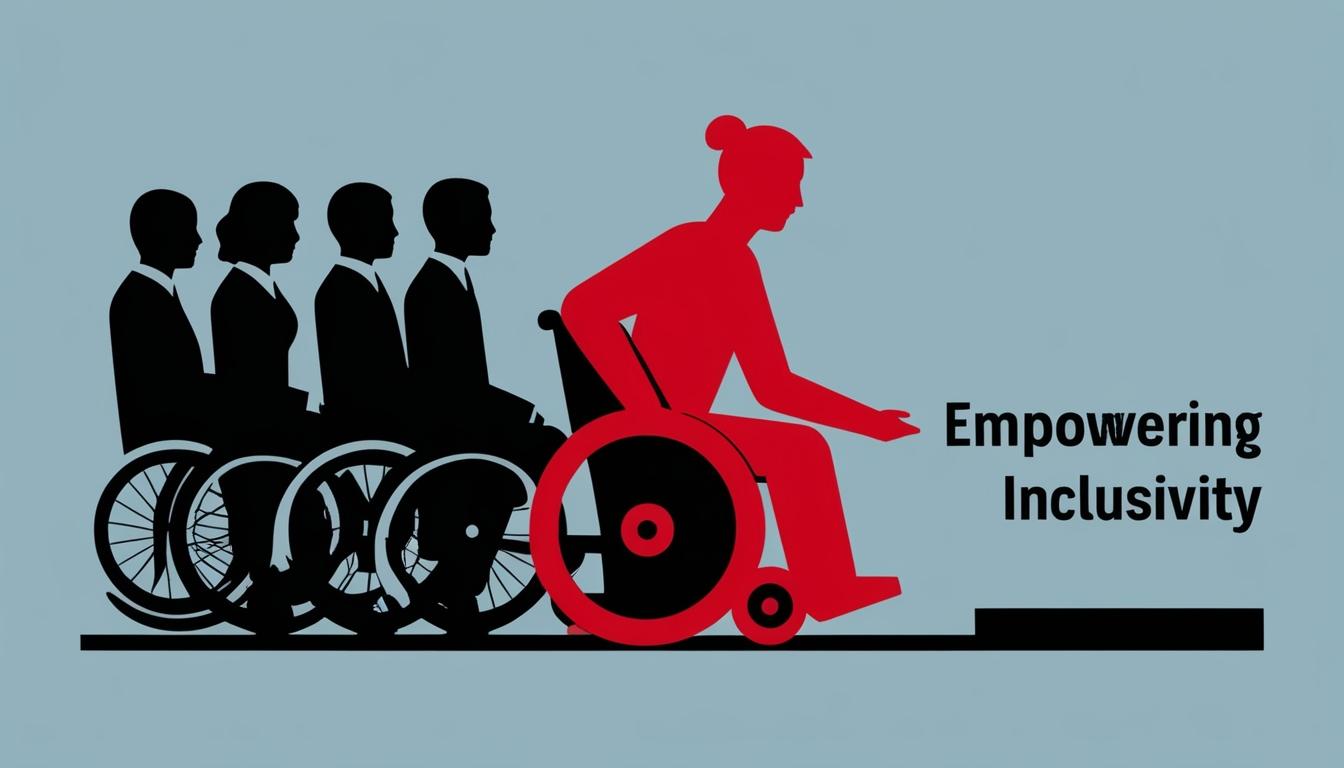
Two prominent figures associated with the Indian Institute of Management Bangalore (IIMB) were recently awarded national recognition by the President of India for their significant contributions to disability advocacy. Vineet Saraiwala, a 2015 alumnus, has been acknowledged for his initiative, Atypical Advantage, which has become one of the largest platforms in India for persons with disabilities (PwD). This endeavour has generated livelihood opportunities for over 20,000 individuals and has partnered with more than 300 corporations. Alina Alam, the founder of Mitti Cafe and an incubatee at IIMB's NSRCEL, received accolades for her cafe chain, which facilitates equitable employment for PwD and operates inclusive spaces, including locations within Rashtrapati Bhavan and the Supreme Court of India.
In light of this recognition, Professor Mukta Kulkarni, who teaches Organisational Behavior and Human Resources Management at IIMB, discussed the institution's efforts in fostering inclusivity for disabled individuals, which extends to the corporate sector. In an interview with The Hindu, she highlighted that IIMB is proactive in its inclusivity practices, starting with the Common Admission Test (CAT), which is designed to accommodate candidates with disabilities, including the visually impaired.
Once admitted, students with disabilities receive tailored support based on their needs, such as physiotherapy, hearing aids, and assistive technologies. Kulkarni described the supportive measures in place, such as providing transcripts of class materials for students with hearing impairments and the use of digital aids for those with visual challenges.
As someone actively engaged in building disability-inclusive organisations since 2003, Kulkarni noted a significant evolution in corporate practices regarding disability awareness. She estimated that in the past, only about 5% of organisations undertook comprehensive efforts towards inclusivity, whereas more than 50% are now cognisant of disability inclusion and reasonable accommodations.
One of the critical shifts in hiring practices pertains to the move away from traditional verbal interviews towards skills-based assessments. Kulkarni articulated that this transition benefits neurodiverse candidates, stating, “Traditional interviews often rely on verbal communication skills, which may not accurately reflect the strengths and capabilities of neurodiverse individuals.” Hence, employing simulations and project-based tasks allows candidates to showcase their competencies in practical settings, enabling a more equitable evaluation process.
The professor elaborated further on how organisations could visibly champion diversity by spotlighting success stories of employees with disabilities. "For instance, an employee who uses a wheelchair might be celebrated for leading a successful project or receiving a promotion due to their skills and leadership qualities," Kulkarni mentioned. Such initiatives not only celebrate individual capabilities but also serve to inspire others within the organisation.
To bolster career development, Kulkarni suggested the implementation of mentorship opportunities specifically designed for employees with disabilities. These tailored programmes can ensure that individuals have the resources and support necessary for professional growth.
Creating an inclusive environment is also about fostering an organisational culture where all employees engage in collaboration. Kulkarni proposed the establishment of internal disability networks that would allow employees with disabilities and their allies to share experiences and co-create solutions. Additionally, regular audits of assistive technologies are vital to ensure that employees have up-to-date and effective resources at their disposal.
Kulkarni believes that enhancing sensitivity around disabilities through workshops led by individuals with lived experiences can have a profound impact on awareness and understanding within an organisation. She recounted an experiential learning initiative where a blind individual demonstrated the use of applications for daily tasks, creating a more relatable and informative atmosphere for students.
Moreover, forming partnerships with external disability organisations can yield positive outcomes for corporations. Kulkarni explained that such collaborations can enhance the company's reach and foster a broader, inclusive network that benefits all stakeholders. She is currently focused on encouraging organisations to work together to create a collective ecosystem for disability inclusion, one that promotes active participation in every aspect of life for persons with disabilities.
Overall, the initiatives and developments emerging from IIMB and the advocacy efforts by its alumni highlight a growing awareness and dedication towards creating inclusive environments in both educational and corporate settings.
Source: Noah Wire Services