As the care sector in Scotland faces severe challenges due to resource shortages and staffing difficulties, emerging technologies are increasingly providing innovative solutions to improve patient care and operational efficiency.
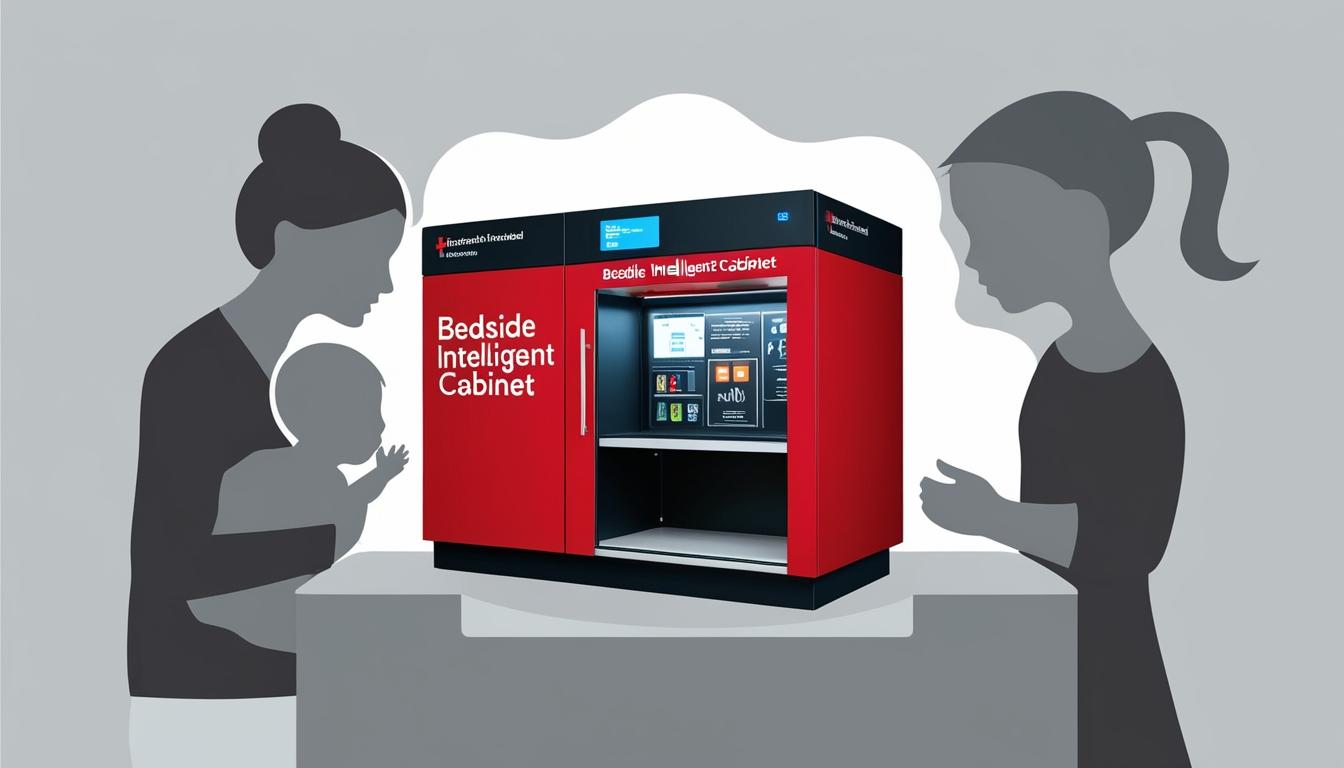
Jacob, a 13-year-old from Aberdeenshire, is one case illustrating the impact of technological advances in healthcare. Having undergone numerous surgeries for conditions stemming from spina bifida and Arnold-Chiari malformation, Jacob's situation became critical last year when his mother, Kirsty, was confronted with tough medical choices regarding his end-of-life care. However, thanks to a pioneering device known as the 'Bedside Intelligent Cabinet,' developed by IT firm Kinetic-ID, the medication management process has been transformed. This cabinet securely holds medications and alerts caregivers when doses are due, allowing Kirsty to feel more in control of her son's care amidst the pressures faced by hospital staff. "I don't like chasing the staff, knowing that they are really busy," she expressed to Holyrood.
The struggle for adequate staffing in the care sector has been well documented. A report by the Coalition of Care and Support Providers in Scotland revealed that 95 per cent of organisations reported significant difficulties in recruiting frontline staff, while Norman Provan, associate director of employment relations at the Royal College of Nursing Scotland, underscored the inadequacy of the existing nursing workforce to safely deliver care.
In parallel, innovative technologies like virtual and augmented reality are also reshaping training methodologies, making the health sector more appealing to potential recruits. Nicola Cooper, technology and digital innovation lead at Scottish Care, highlighted that the VR simulation platform Care Reality, which won the Civtech 6 challenge, serves as a tool for prospective health workers to remotely assess essential skills required in the care environment.
Moreover, technology is being seen as a means to address chronic issues such as bed-blocking. Public Health Scotland reported over 661,700 days of delayed hospital discharges in the past year, often stemming from a lack of appropriate community care services. Lucy Fraser, house innovation head at Albyn Housing, is among those advocating for tech-driven residential solutions to prevent such situations. Their initiative, ‘fit homes,’ incorporates sensors and AI to provide real-time updates to caregivers about tenant safety, enabling timely interventions.
With the rise in single-person households, now comprising over one in three homes in Scotland, and an ageing population—evident from the 22.5 per cent increase in those aged 65-plus since 2011—experts are warning about the potential for a two-tier care system if innovation is not prioritised. Robert Rea from InnoScot Health remarked on the importance of embracing these technologies to prevent declines in living standards, especially for those living in rural areas versus urban centres.
Despite the growing recognition of technology’s potential, the implementation of supportive measures remains fragmented. The introduction of the controversial National Care Service Bill notably lacks provisions for integrating technologies into care frameworks, raising concerns among professionals about its efficacy in advancing care quality.
In a noteworthy development, a trail of an AI tool named Paincheck, which detects discomfort through facial recognition among dementia patients, has been initiated within Scottish care homes. However, challenges persist in securing funding and regulatory approvals for such cutting-edge technologies, as articulated by Andy Keen from NHS Grampian Innovation Hub.
With the holiday season approaching, Kirsty reflected on the transformation that technology has brought to their lives. "It's given me the chance to know that when he goes home, I can go back to administrating his own medication so I'm not having to rely on other people," she remarked. The intersection of familial empowerment and healthcare technology exemplifies the potential for innovation to enhance the quality of care, marking a significant shift in how these services are delivered.
As Scotland navigates the complexities of modern healthcare demands, the concerted embrace of technology emerges as a critical factor in reshaping care practices and ensuring that adequate support mechanisms are established for those in need.
Source: Noah Wire Services