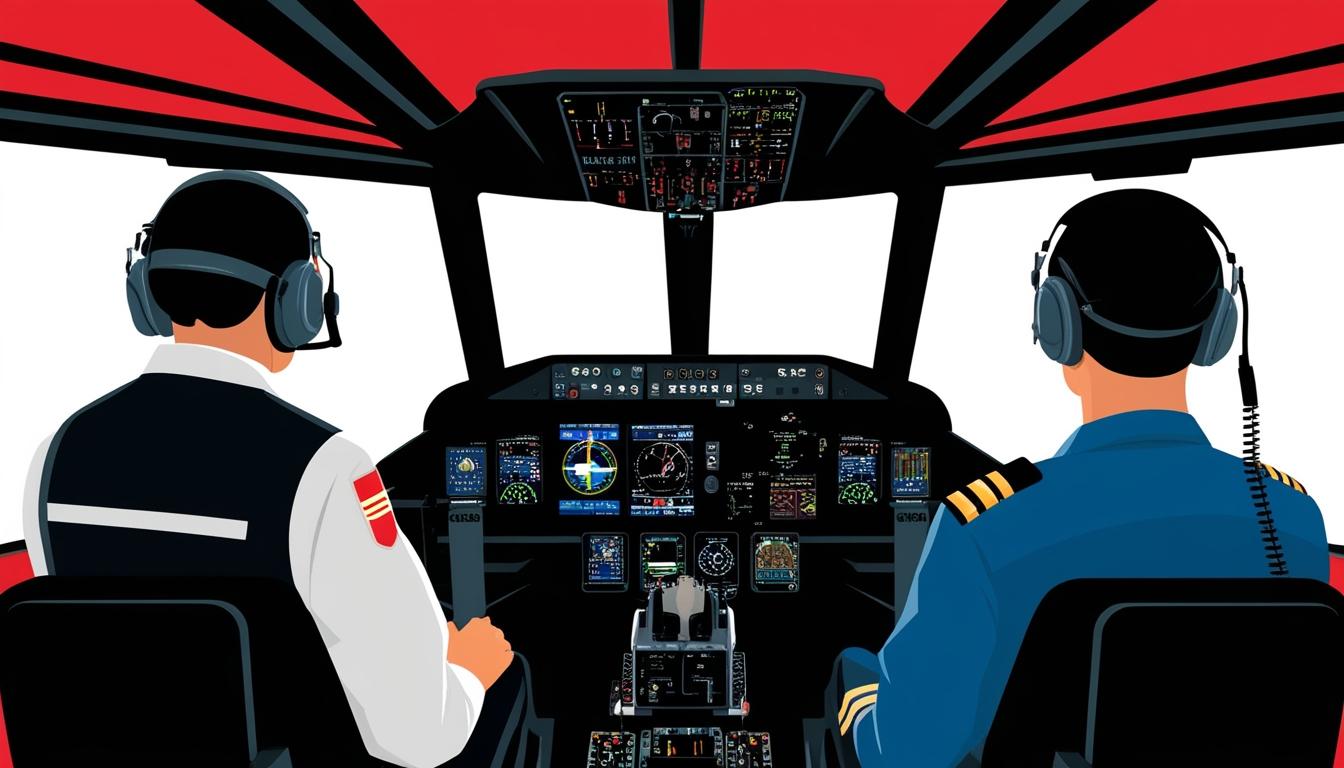
The discussion surrounding the evolving role of artificial intelligence (AI) in aviation operations has gained significant momentum, particularly within the context of single-pilot operations and the oversight responsibilities of ground pilots. In light of the increasing interest in reduced crew operations (RCOs), the complexities of integrating AI systems into cockpit procedures and the implications for safety and authority are becoming more pressing.
J Peter Berendsen, in an article for Professional Pilot Magazine, elucidates a hypothetical scenario where a business jet is operated with a single pilot while a ground pilot oversees the flight remotely. In this case, the single pilot could find themselves unexpectedly incapacitated, leaving the ground pilot with control of the aircraft. The scenario raises critical questions regarding who retains ultimate authority over the aircraft during such situations. As noted, if an AI system detects incapacitation, the responsibility may shift from the pilot to a remote operator, creating a complex interplay of authority and safety.
RCOs have gained support from private air traffic control companies and some airlines, urging the need for certification processes that would allow for the safe operation of larger aircraft with a single pilot. Presently, larger commercial aircraft require two pilots by certification under both US (Part 25) and European (CS25) regulations. As the industry pushes for changes in crew requirements, ensuring the proficiency of both the pilot in command (PIC) and the remote ground support pilot becomes crucial, as their respective roles may not be as interchangeable when operational responsibilities are split.
Safety is at the forefront of these discussions. The FAA and EASA emphasise rigorous certification protocols for both pilots and aircraft. The concept of a ground pilot monitoring a single pilot poses challenges not only in terms of training but also with regards to ensuring that the ground station meets the requisite certification standards that align with those set for conventional aircraft. Berendsen points out concerns about the certification of AI systems, particularly since the decision-making processes inherent in AI cannot be fully tested in advance as they evolve and adapt.
Further complicating matters is the necessity for robust systems to handle potential failures, encompassing everything from incapacitation to cyber threats. The risk of a cyber attack on the data link between the aircraft and the ground control station adds another layer of complexity to the safety equation, increasing the potential vulnerabilities associated with remote pilot operations.
The introduction of remote control capabilities has also initiated discussions about the ethical dimensions of piloting in the age of AI. The monitoring of a pilot’s emotional and cognitive state through AI technology introduces new potential for intervention during critical moments; however, it raises concerns about the operator's loss of authority. Berendsen highlights that an AI's ability to determine when a pilot is unsuitable to control the aircraft could lead to complications concerning the autonomy and decision-making rights of the human in command.
With advancements in technology and evolving industry standards, the trajectory toward single-pilot and remote operations may appear inevitable. Despite this progress, discussions within the aviation community underscore the enduring necessity for human oversight and final authority. Many professionals advocate for maintaining a qualified second-in-command aboard commercial aircraft, emphasising that having two capable pilots significantly reduces the likelihood of pilot incapacitation risks.
As the aviation industry continues to navigate the integration of AI and newer technologies, the dialogue surrounding the implications for pilot authority, safety standards, and the operational landscape remains dynamic and contentious. The concepts presented by Berendsen reflect a particular recognition of the challenges that the industry faces in balancing innovation with rigorous safety protocols and ethical considerations. The future may hold considerable changes for aviation practices, but preserving rigorous standards of safety and authority remains a fundamental aspect of these discussions.
Source: Noah Wire Services