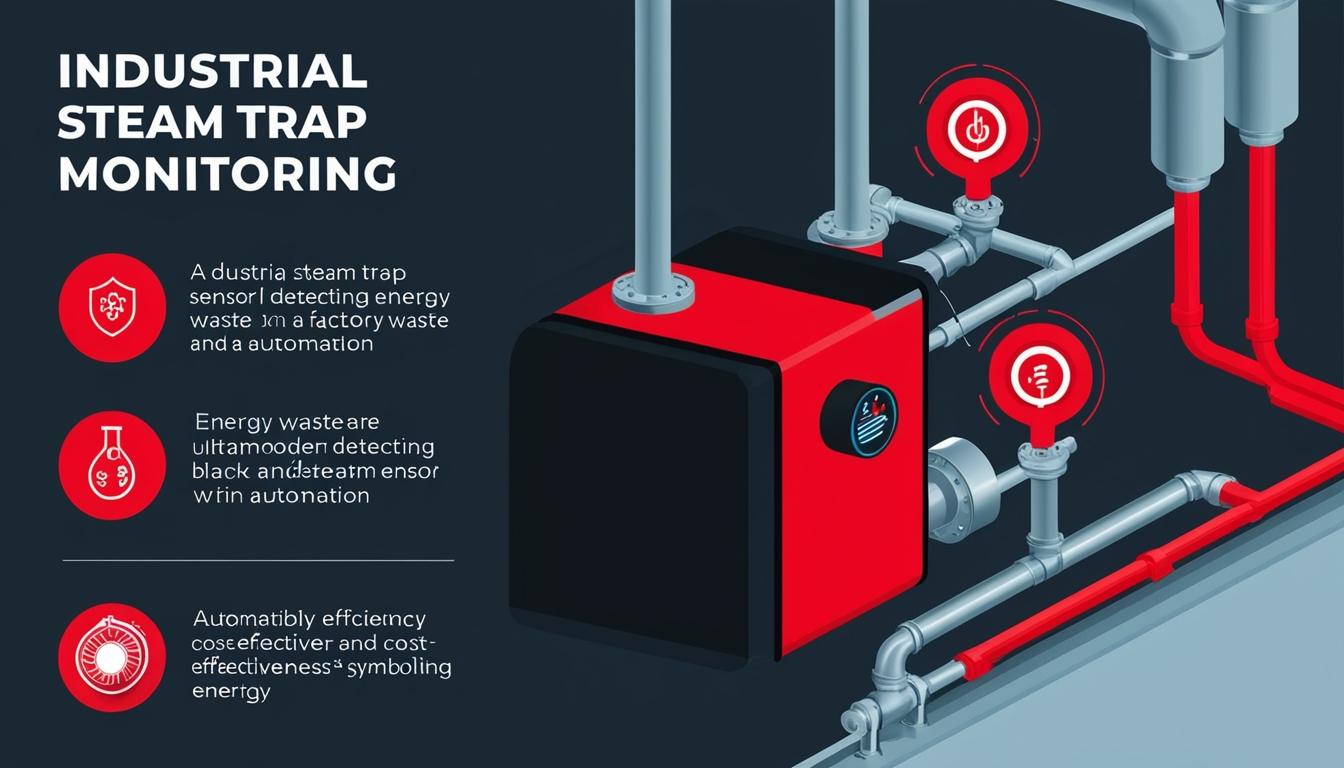
In the ever-evolving landscape of industrial maintenance, the implementation of artificial intelligence and automation technologies is revolutionising how businesses operate, particularly in the area of steam trap monitoring. Steam traps, although small in size, are critical for ensuring the efficiency and effectiveness of steam-powered systems across various industries such as oil refining and manufacturing. The monitoring and maintenance of these components are proving vital not only for operational cost management but also for sustainability.
Steam traps serve a crucial function in steam delivery systems by allowing condensate, air, and non-condensable gases to escape while retaining steam within the system. This function prevents the loss of steam, which can lead to significant energy waste. However, when steam traps are neglected, they can become "silent profit killers." A malfunctioning steam trap can waste thousands of dollars annually in energy costs, illustrating the importance of vigilance in their maintenance.
According to a report from TechBullion, a review of steam trap systems in a manufacturing facility revealed that approximately 15% of the traps were failing, necessitating maintenance that ultimately resulted in substantial energy savings. The financial implications of poorly maintained steam traps can be severe when factoring in the cumulative waste from multiple traps across an organisation.
To combat the high costs associated with neglect, early detection and proactive maintenance practices are highly beneficial. Monitoring steam traps regularly can prevent minor issues from escalating into major problems, thus avoiding costly emergency repairs and equipment damage due to poor steam quality. Traditionally, monitoring was performed through manual inspections, but this method has limitations in terms of reliability and efficiency.
Recent advancements in technology have led to the introduction of ultrasonic detectors and infrared thermography, which allow for more efficient monitoring of steam traps. These modern tools can quickly identify malfunctioning traps, even in noisy environments, leading to immediate rectifications and continued optimal operation of steam systems.
Moreover, steam trap monitoring software has emerged as a transformative solution for tracking and managing the performance of steam traps. This software integrates with sensors attached to steam traps to provide real-time monitoring, diagnostics, and alerts regarding potential failures. This technological advancement not only enhances accuracy but also promotes operational efficiency by enabling predictive maintenance practices through data analytics. Operations can now schedule maintenance at convenient times, thereby reducing disruptions and improving the lifespan of their systems.
Integrating such monitoring software begins with a thorough assessment of existing steam trap infrastructures, followed by targeted training for maintenance personnel in the latest technologies. As organisations increasingly adopt these advanced approaches, they are witnessing improvements in operational efficiencies and cost reductions.
The landscape of industrial maintenance is rapidly being reshaped through technology and data analytics, driving companies to adopt cost-effective strategies that include steam trap monitoring software. Embracing these technologies not only facilitates smoother operations but also contributes to a healthier work environment by optimizing resources.
Moving forward, advancements in monitoring equipment and techniques are expected to dramatically transform how businesses manage critical machinery. Future innovations will likely lead to enhanced system optimisations, ultimately driving greater efficiencies across various operational fields. As businesses continue to navigate the complexities of technological changes, the integration of AI and automation into maintenance practices stands to be a pivotal factor in enhancing performance and sustaining competitive advantage.
Source: Noah Wire Services