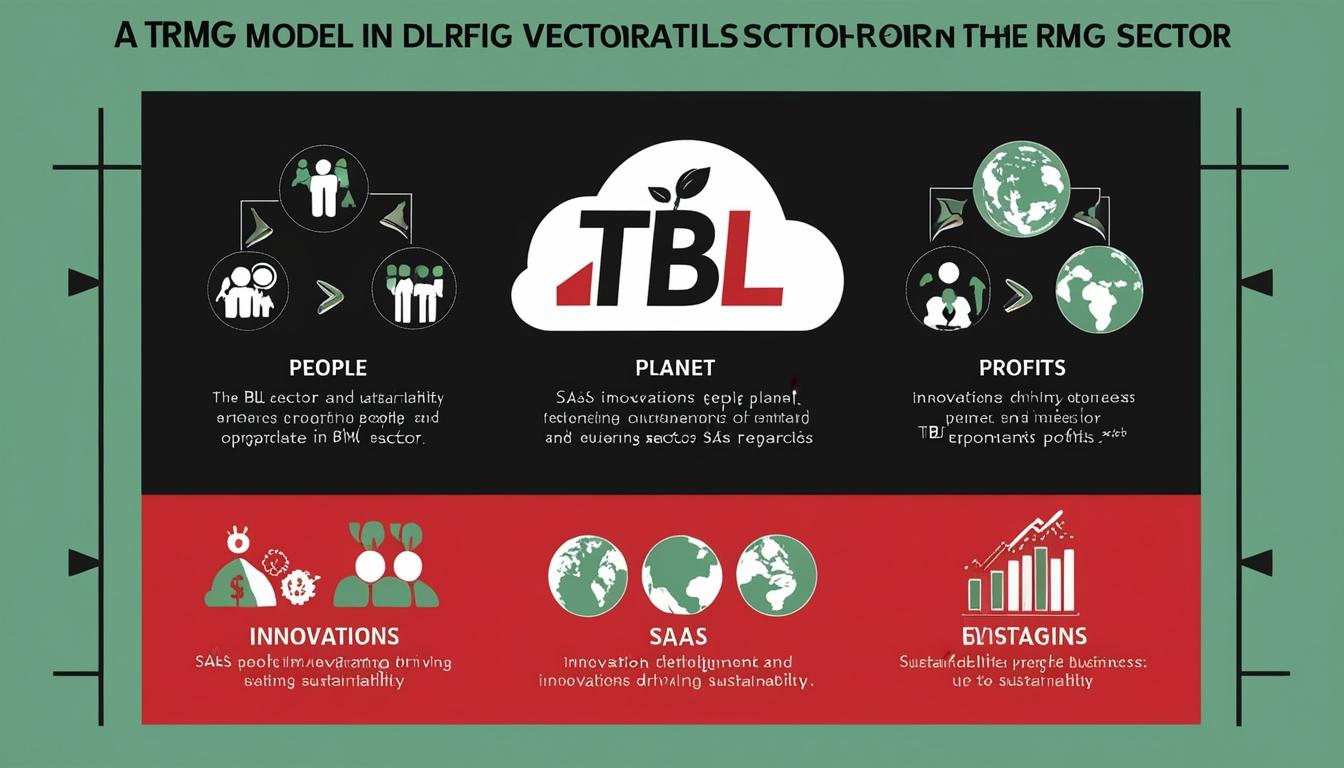
The Ready-Made Garments (RMG) sector, significant in global trade, particularly within emerging economies like Bangladesh, India, Vietnam, and Cambodia, is experiencing a transformative shift powered by Software as a Service (SaaS) solutions. These technologies are viewed as crucial in addressing various operational inefficiencies, compliance hurdles, and sustainability issues endemic to the industry. Syed Rifath Noweid Hussain, in an analysis published by Textile Focus, explores the landscape of SaaS within the RMG sector, shedding light on the challenges faced by providers and the benefits of adopting the Triple Bottom Line (TBL) model as a strategic framework for growth.
The TBL model, pioneered by John Elkington in 1990, broadens the concept of business success, urging organisations to consider People (social), Planet (environmental), and Profit (economic) dimensions. This comprehensive approach prompts businesses to assess their impacts across these areas, advocating for long-term sustainability. Hussain notes that for SaaS providers operating within the RMG sector, leveraging the TBL framework could significantly mitigate several challenges, including resistance to technology adoption, cost barriers, and scalability issues.
Hussain emphasizes that TBL-driven SaaS solutions can address the prevalent resistance to adoption by aligning with global trends and improving digital literacy through tailored training programs. By streamlining operations and enhancing scalable features, TBL-aligned solutions could lower operational costs, which is vital for RMG businesses striving to meet complex environmental and labour regulations. Such tools can facilitate sustainability tracking and reporting, thus increasing manufacturers' competitiveness in a market that increasingly prioritises eco-friendly practices.
The integration of the TBL principles within SaaS solutions can be approached through several core dimensions:
Social (People): SaaS platforms can enhance labour practices by ensuring compliance with labour laws, safeguarding fair wages, and promoting worker safety. These platforms may also integrate training modules aimed at enhancing digital literacy and skill development among employees.
Environmental (Planet): The capability to monitor resource usage, such as water and energy consumption, alongside waste management, is paramount. Features that facilitate carbon footprint tracking and pollution level monitoring are also essential for minimising the environmental impact of RMG operations.
Economic (Profit): Cost optimisation, improved supply chain management, and increased production efficiency are crucial objectives. Sustainability-driven innovations that resonate with market demands for eco-friendly products should be a central focus.
Additionally, Hussain articulates that SaaS providers could benefit from collaborative partnerships, integrating compliance tools through alliances with sustainable certification bodies, NGOs, or industry associations. These relationships can help foster a more robust implementation of TBL principles. Furthermore, transparency features within SaaS platforms would enable RMG businesses to effectively showcase their TBL performance, ensuring adherence to international sustainability standards.
SaaS providers fostering the TBL model have opportunities for growth by creating custom solutions tailored to the specific challenges of the RMG sector. Developing a reputation as thought leaders in sustainability and actively engaging in corporate social responsibility (CSR) initiatives, such as offering complimentary training for workers, can enhance their market presence.
Hussain concludes that companies like Microsoft and Salesforce illustrate the potential impact of TBL-aligned strategies, utilising them to elevate market competitiveness while addressing ethical demands. For SaaS providers focused on the RMG sector, embracing TBL principles facilitates sustainable growth, fosters buyer relationships, and secures a competitive advantage in an ever-evolving global marketplace.
Source: Noah Wire Services