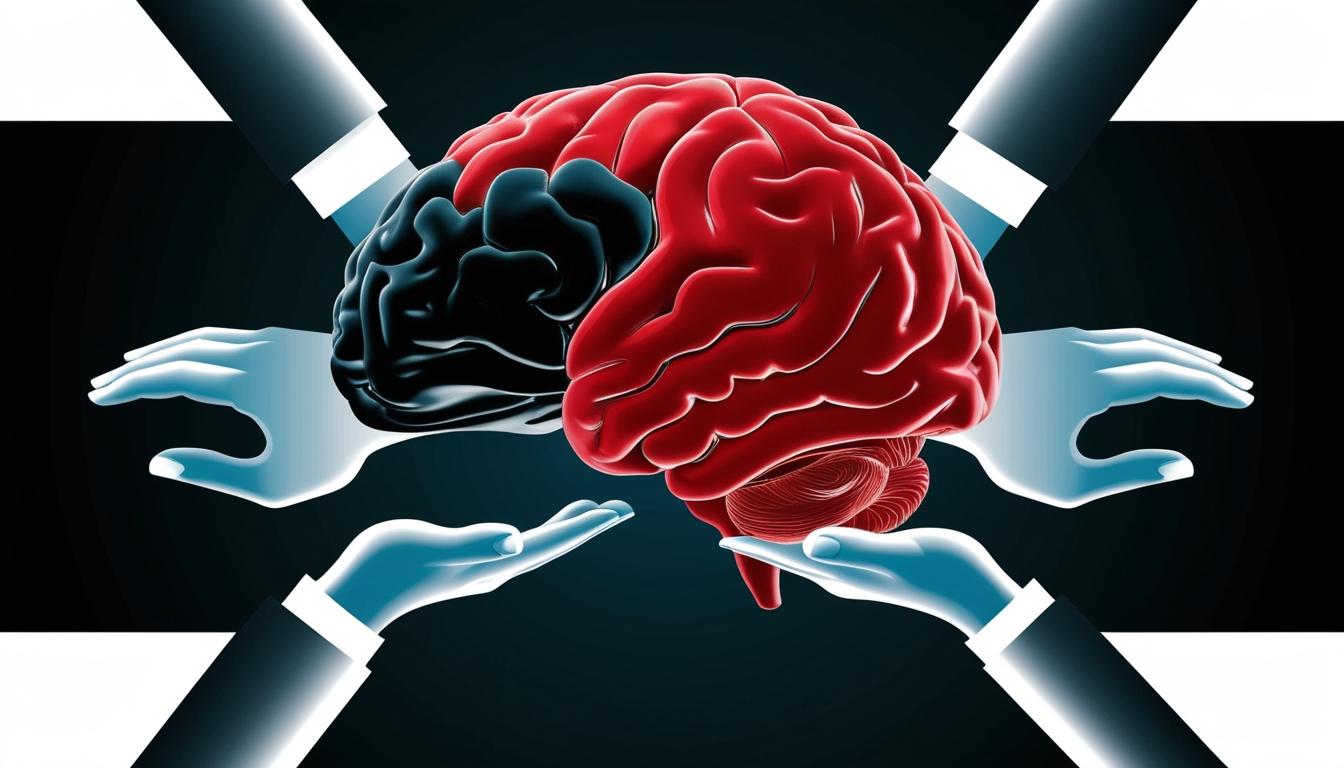
In a rapidly evolving technological landscape, companies are increasingly turning to artificial intelligence (AI) to enhance operational efficiency and personalisation, according to insights from Natalie Trice, founder of the Devon-based communications firm Natalie Trice Publicity. Trice's perspective reflects a growing trend within various industries that leverages emerging technologies to not only improve workflows but also to enrich customer experiences through tailored engagement.
Trice characterises AI as a transformative force capable of reshaping how businesses operate. She states, "AI has the potential to revolutionise by automating time-consuming tasks like media monitoring, sentiment analysis, and the initial stages of press release and content drafting." However, despite her enthusiasm for the technology, she remains cautious, highlighting the unpredictability of future developments. "It's hard to know what's coming in the month, but in 5-10 years, I anticipate at the very least AI will enable hyper-personalised pitches—tailored, data-driven messages that are finely tuned to individual journalists or media outlets—and smarter media targeting."
As businesses embrace these advancements, one of the notable advantages cited by Trice is the level playing field AI can provide for small enterprises. “AI will give small businesses access to the kind of insights only big agencies used to afford," she notes. This shift is poised to democratise valuable industry data, allowing smaller firms to compete more effectively on similar terms as their larger counterparts. Trice, however, acknowledges that the disruptive potential of AI extends beyond merely improving media targeting and influencing how news is disseminated. "As AI changes the way people consume media, so too will it change how this is fed to the press," she explains.
The integration of AI tools into her own firm's operations underscores the practical applications of this technology. Trice is already employing AI systems such as ChatGPT and Gemini to aid in content creation, data analysis, and tracking emerging trends. She believes that while these tools save time and enhance productivity, human oversight is indispensable to ensure that outputs maintain a suitable tone, accuracy, and relevance. "They help to create outlines, pitches, and proposals and inspire copywriting but doesn't take away the need for us to do the work," she emphasises.
Addressing the concern regarding the potential displacing of jobs due to AI, Trice articulates a more optimistic viewpoint. "I see AI enhancing human roles, not replacing them," she states, asserting that the core elements of public relations—relationships, creativity, and storytelling—cannot be replicated by machines. Instead, she views AI as a means of automating repetitive processes, allowing professionals to invest their efforts into more strategic tasks that require emotional intelligence and creative insight.
Trice further highlights the ethical implications associated with the growing use of AI in business operations, emphasising the importance of transparency, data protection, and the minimisation of biases in AI-generated outputs. "It’s crucial to use AI as a tool, not a crutch, and always maintain the human touch in communications," she advises. This human-centric approach is vital as companies navigate the complexities introduced by AI technologies.
Looking ahead, Trice predicts that AI will play an instrumental role in enhancing customer experiences by crafting seamless and personalised interactions. "AI will likely create more personalised and seamless customer journeys by analysing behaviours and preferences in real time," she indicates, envisioning an era where businesses can anticipate customer needs and deliver targeted messaging proactively.
In conclusion, while Trice anticipates that AI will significantly enhance business processes by making them more intelligent, she firmly believes that the essence of human connection will remain a cornerstone of successful business practice. The delicate balance between leveraging technology and preserving human insight will be essential for businesses aiming for sustained success as they navigate the future of work in an AI-driven world.
Source: Noah Wire Services