Recent advancements in the intersection of artificial intelligence (AI) and various automated technologies are positioning businesses for substantial transformation across multiple sectors. As industries grapple with the implications and potentials of these emerging technologies, significant trends are beginning to shape the future landscape.
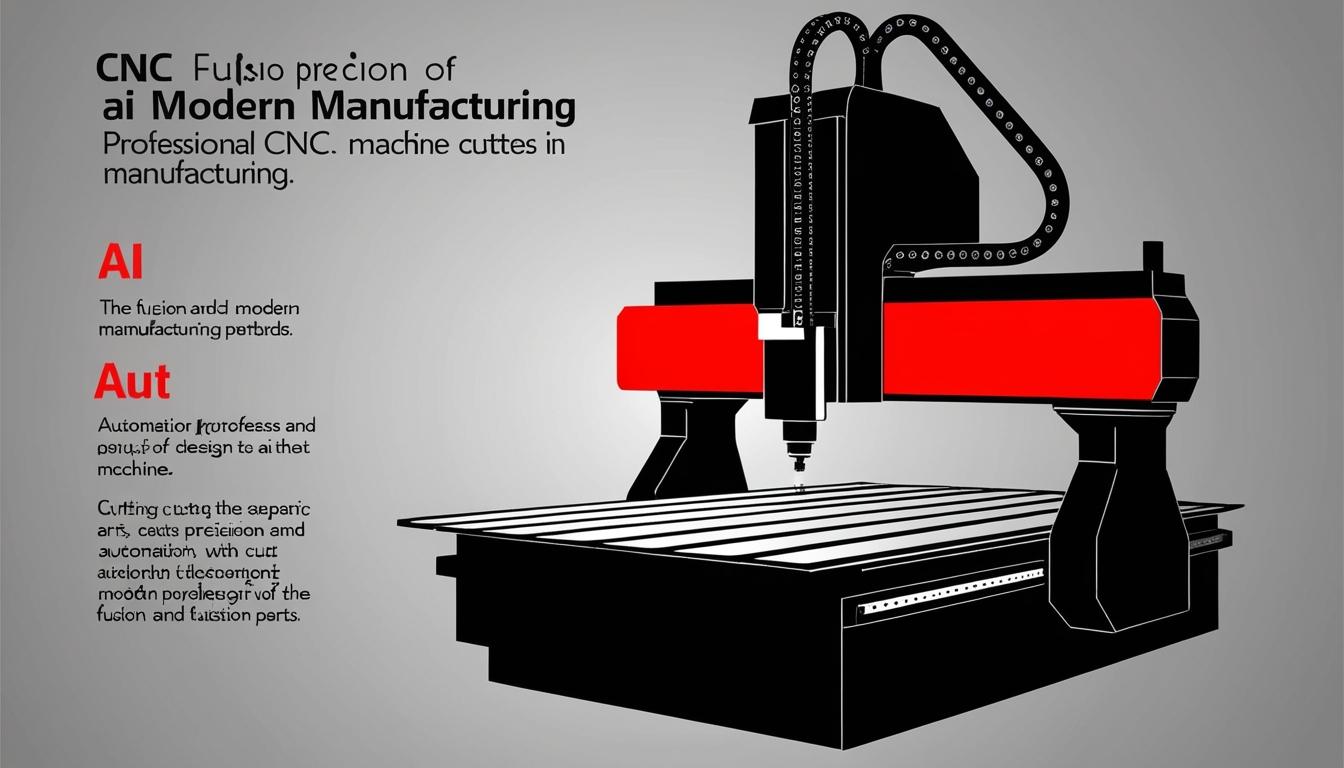
A report from Harlem World Magazine highlights the impact of modern machining technologies on manufacturing. The article discusses innovations such as 3D printing, automation, and AI-driven precision tools, all contributing to improved efficiency, cost reduction, and enhanced customization capabilities. Environmental sustainability is also taking precedence as machining practices adopt energy-efficient processes and focus on material optimization. This shift accommodates evolving industry demands while addressing the growing concern over environmental impacts.
Machining, especially CNC turning, is particularly significant in industries such as aerospace and automotive, where precision is crucial. The integration of computer-aided design (CAD) and computer-aided manufacturing (CAM) has further streamlined machining processes, leading to improved productivity and reduced error rates. Speaking to Harlem World Magazine, an industry expert noted that “recent studies show that organizations implementing these advanced techniques have significantly improved productivity and reduced error rates.”
Moreover, precision machining plays a pivotal role in healthcare, ensuring reliability and functionality in surgical tools and implants. Efficient machining processes not only lead to cost savings but also contribute to minimising waste and energy consumption, aligning with global environmental goals.
Despite these advancements, challenges such as a shortage of skilled labour present obstacles in the machining sector. The sophisticated nature of modern technologies necessitates a skilled workforce, prompting the industry to invest in educational and training initiatives to cultivate a new generation of professionals adept in cutting-edge practices.
In conjunction with these developments in machining, La Noticia Digital reports on the burgeoning field of AI-powered drones, which are set to revolutionise various industries. The integration of AI has enabled drones to carry out complex tasks autonomously, from delivering medical supplies in remote areas to inspecting infrastructure and participating in search and rescue missions. This autonomy signals a shift in operational dynamics across sectors, promising enhanced efficiency and lower intervention needs.
Key advancements in AI-driven drones include object detection, real-time decision-making, and energy-efficient operational capacities. One particularly notable innovation is the concept of swarming technology, which allows fleets of drones to autonomously communicate and coordinate with each other—potentially game-changing for applications in agriculture and disaster response.
As the market for AI-enabled drones expands, analysts predict significant growth in sectors such as logistics and precision farming, where the capability for efficient aerial navigation and data collection can lead to transformative results. However, this rapid development is accompanied by a necessity for robust regulatory frameworks to address emerging privacy and security concerns linked to increased drone autonomy.
Finally, both articles emphasise that maintaining a forward-thinking approach will be critical for businesses looking to leverage these technologies effectively. Companies in machining and drone technology sectors must focus on adaptability and investment in skilled labour to harness the full potential of these advancements. By doing so, they can ensure sustained competitiveness in a rapidly evolving industrial landscape.
In summary, the integration of AI and automated technologies is reshaping the future of business practices across multiple sectors, paving the way for innovative applications and improved operational efficiencies while also acknowledging the pressing need for sustainable and ethical considerations in these enhancements.
Source: Noah Wire Services