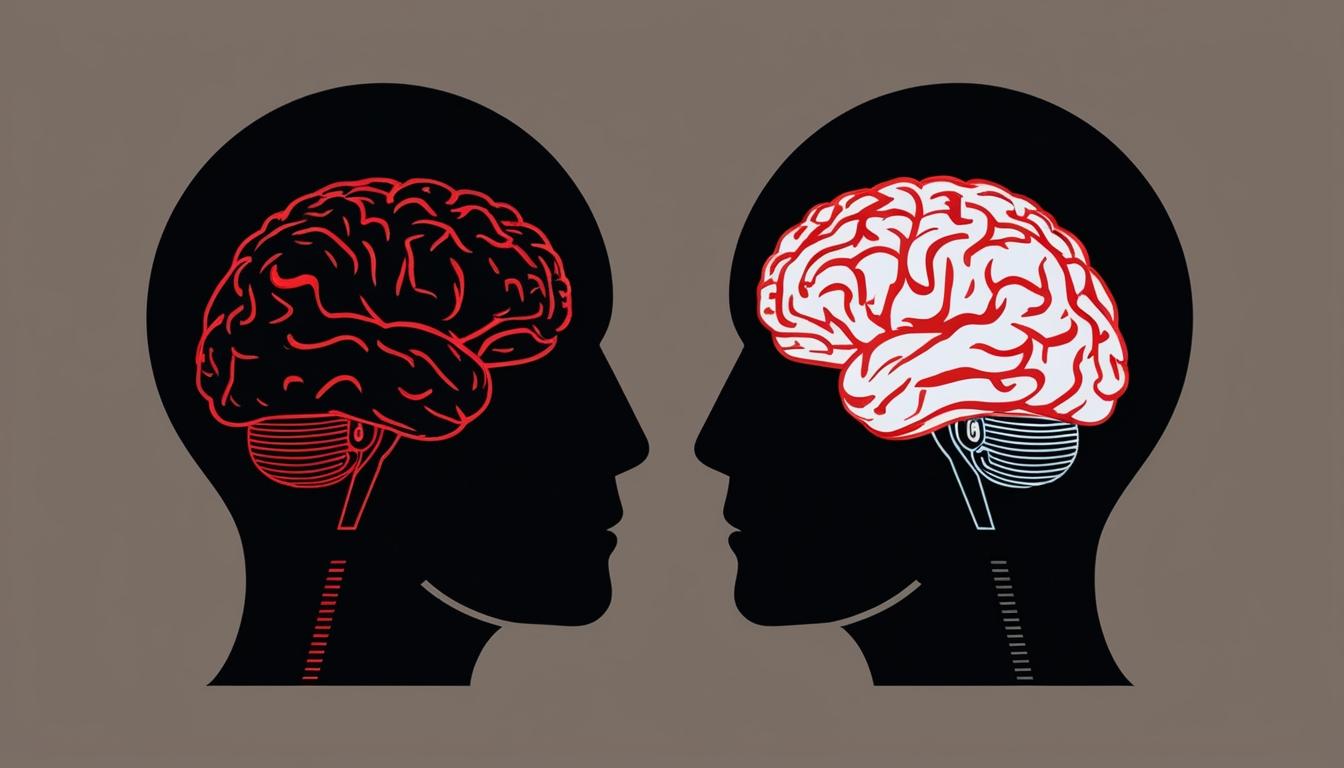
The rapid advancement in artificial intelligence (AI) technology is prompting critical discussions regarding the relevance of human genius in an era where machines not only match but exceed human cognitive capabilities. The current landscape reveals a startling truth: AI systems have outperformed humans not only in games like chess and Go but in significant fields such as medical diagnostics, scientific research, and creative endeavors. This shift raises the question: Does genius still matter in a world where machines appear to outthink our brightest minds?
For the first time in history, we are witnessing machines that can surpass human intelligence in various domains, including those once thought to be uniquely human. As AI continues to advance, particularly with the integration of quantum computing, traditional understandings of genius and intelligence are being fundamentally challenged. This evolution invites a reconsideration of how we perceive human cognitive abilities and their significance in a technologically driven society.
In addressing the question of genius, it is crucial to explore three components of human capability: IQ, emotional intelligence (EQ), and virtue. Historically, IQ has been hailed as the benchmark for genius, serving as a quantitative measure of cognitive capability. However, the rise of AI has effectively rendered the concept of IQ less meaningful. Machines are able to process vast amounts of data and solve problems at speeds that overshadow human capabilities. Drawing a parallel, this phenomenon can be likened to comparing a calculator to an abacus—highlighting a fundamental disparity in the nature of intelligence being exhibited.
Despite the implications of diminished significance of IQ, the emergence of this technology allows for a different understanding of genius. The concept of EQ plays an essential role; while machines can mimic emotional responses, they lack true emotional experience. Unlike IQ, which can be matched or exceeded by AI, EQ is rooted in human experience and consciousness. It embodies the capacity to understand and interpret emotions, enabling humans to form genuine connections. This distinction underscores a vital aspect of what makes human intelligence unique in the face of automated counterparts.
Beyond IQ and EQ, virtue—an ancient concept, often described as practical wisdom—adds another layer to the discourse on genius. Virtue is not merely a moralistic notion; it embodies the human ability to navigate complex ethical dilemmas and make decisions that contribute positively to society. Although machines can analyse and apply ethical frameworks, they are incapable of embodying qualities such as compassion or exercising judiciousness. This inability reveals a chasm between human and machine intelligence, reinforcing the notion that certain elements of genius are inherently human.
As AI continues to shape various sectors, from technology to business and politics, a broader cultural challenge emerges. Genius, when disentangled from virtue, poses risks to societal welfare, compelling a reconsideration of our cultural icons and their accountability. The discourse advocates for recognising not just cognitive prowess but also the importance of wisdom, empathy, and ethical integrity in shaping the future.
In an increasingly complex global landscape, marked by rapid technological advancements and heightened ethical dilemmas, the understanding of genius must pivot. The essence of human capability lies not in surpassing machines in computation but rather in harnessing the unique qualities of knowledge, empathy, and virtuous decision-making. In this context, the imperative for virtue becomes more pronounced; the potential for brilliance without accountability could lead to unsettling consequences, contributing to a dystopian reality.
The conversation surrounding genius in the age of AI thus reveals a pressing need to redefine excellence. It emerges as an essential component of our identity in a rapidly evolving technological world and sustainable future. Adapting our understanding of genius to embrace these essential traits may ultimately position humanity to thrive alongside AI-driven systems, ensuring that technology supports rather than supersedes human development.
Source: Noah Wire Services