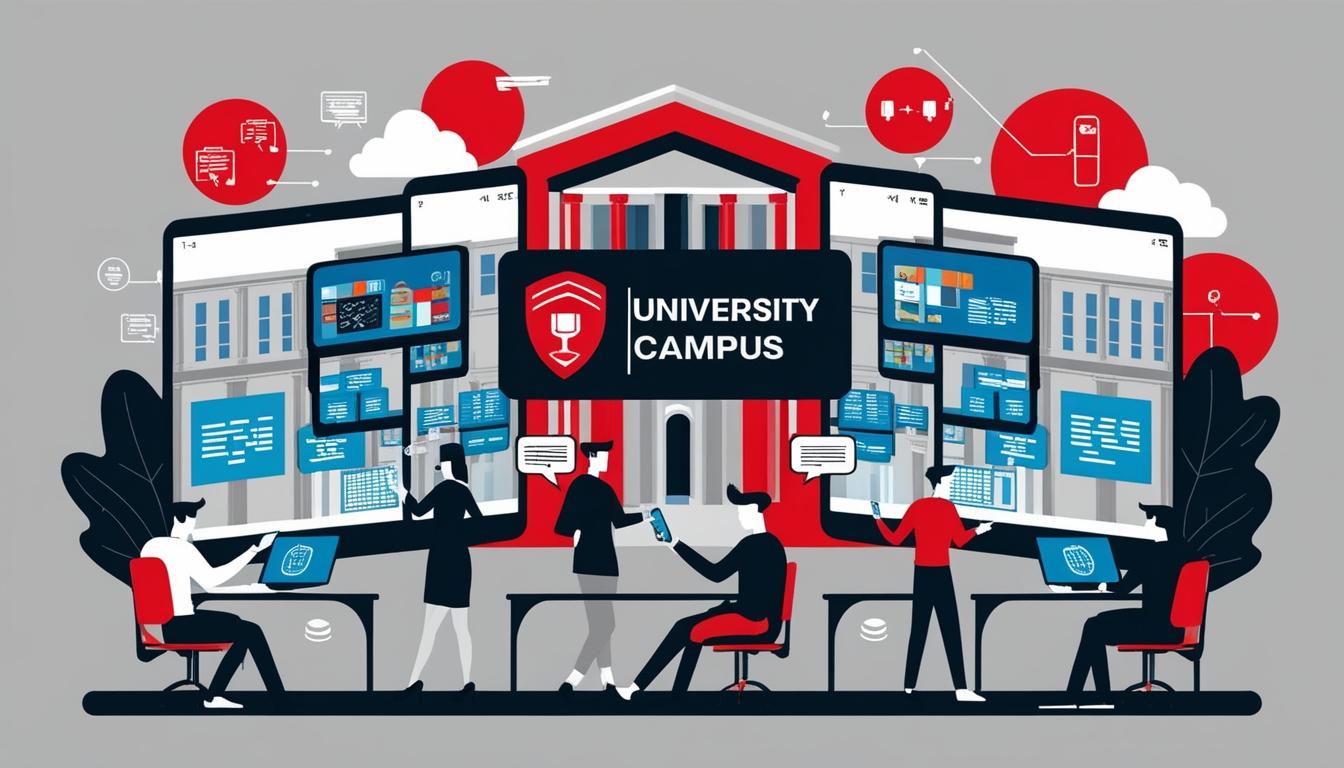
As higher education institutions evolve in the digital age, the integration of technology into the student experience is becoming increasingly critical. For many students arriving on college campuses, the expectation is clear: they demand the same conveniences, connectivity, and technological accessibility that they have grown accustomed to in their daily lives. This need for seamless interaction with educational institutions is driving universities to explore innovative solutions that enhance communication and information dissemination.
In a landscape where traditional means of communication often fall short, various technologies are emerging to streamline the student experience. According to a report in EdTech Magazine, institutions are implementing centralised apps, university-wide chatbots, and user-friendly websites to provide easy access to information and services. This shift aims to create a frictionless experience where students feel supported and empowered, eliminating navigation complications and long waits for answers.
Today’s students prefer modern modes of communication such as chat and video calls over traditional phone calls. A striking indicator of this trend is that many students, when queried about their last phone call, typically place contacting the registrar low on their list of priorities. Therefore, colleges must adapt to these preferences by leveraging new technologies.
One key development in this technological transformation is the adoption of Communications Platform as a Service (CPaaS). CPaaS enables institutions to move away from conventional phone systems toward a multifaceted platform encompassing text messaging, video meetings, and other collaborative features, ensuring that students can engage with resources smoothly. As noted in the article, the integration of artificial intelligence within these platforms is anticipated to further improve communication quality, facilitating efficient responses to student inquiries.
Moreover, the need for a reliable phone system in universities remains relevant despite students' preferences. Many educational institutions are required to maintain traditional telephony systems due to government regulations concerning emergency protocols. For instance, emergency notification systems and 911 location tracking are paramount, underscoring the necessity for functioning phones in elevators and various campus locations. The Federal Communications Commission mandates that any phone system offer a “dispatchable location” to ensure emergency responders can act effectively.
Although concerns regarding the reliability of cloud services once made universities hesitant to transition from outdated systems, improvements in technology have changed that landscape. Institutions can now depend on cloud providers, like CDW, which offer robust redundancies and backup solutions to mitigate potential service disruptions. These solutions are particularly vital in maintaining operational continuity and ensuring all systems function as required, even during outages.
The future of communications in higher education appears promising, with an increasing emphasis on integrating cutting-edge technologies to meet the evolving needs of students. As institutions continue to embrace these advancements, the focus remains on creating a connected, efficient, and responsive environment that meets the expectations of a new generation of learners.
Source: Noah Wire Services