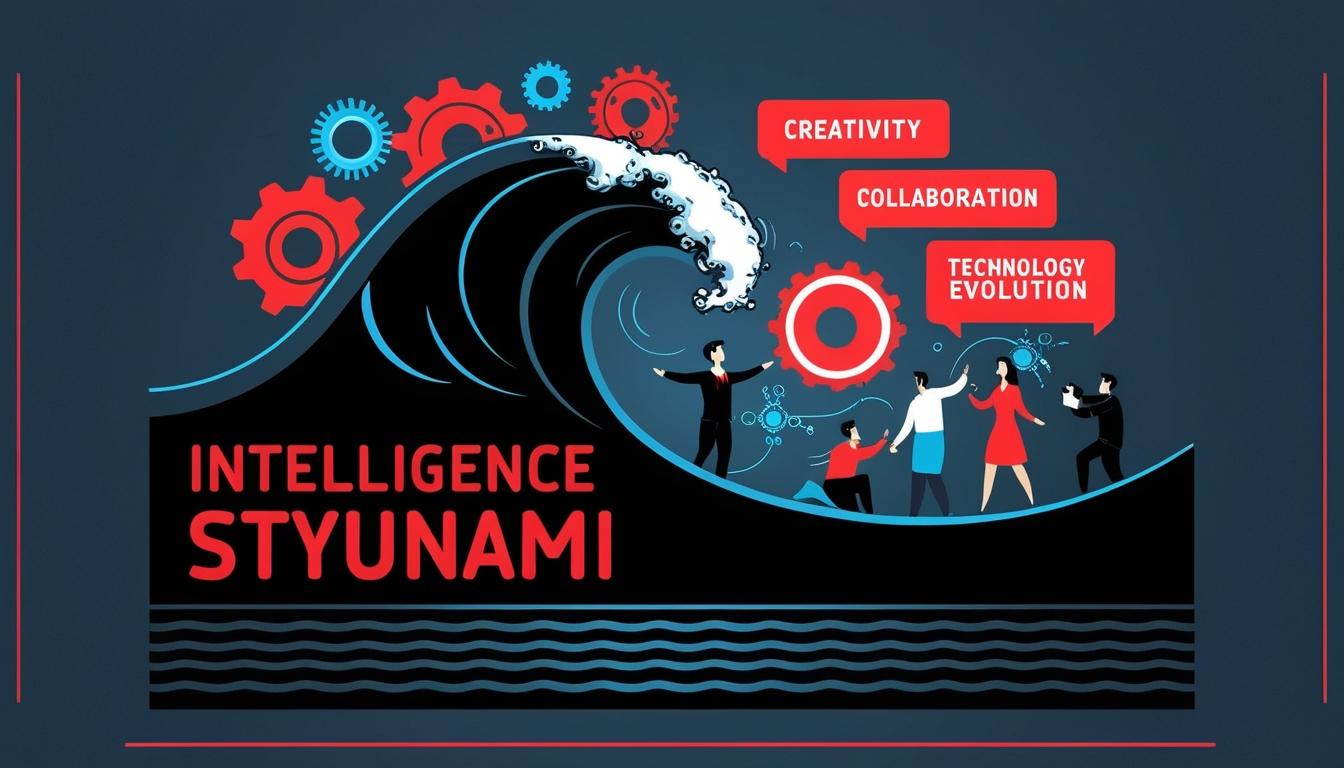
The increasing proliferation of artificial intelligence (AI) and automation has been described as a formidable "Intelligence Tsunami" that is reshaping how businesses operate, leaving many organisations grappling with concerns over job displacement and employee anxiety. However, this wave of technology also presents a notable opportunity to harness the creativity and innovative potential of leadership and workforce personnel.
As discussed by Training Magazine, the key to navigating this evolving landscape lies in cultivating a workforce that is not only equipped with relevant technical skills but also possesses the soft skills necessary to adapt creatively and effectively. This approach stresses a transformative dual-focus in training initiatives.
On one hand, training programmes must ensure employees acquire a thorough understanding of AI systems and automation technologies. Essential skills include collaboration with AI systems and the ability to augment human productivity through advanced technological capabilities. On the other hand, cultivating soft skills is equally important. Skills such as critical thinking, problem-solving, complex communication, and emotional intelligence are fundamental for personnel to respond positively in an environment characterized by continuous change.
Moreover, ongoing education and professional development are crucial. An effective training regime cannot rest on static one-time training sessions but must embrace ongoing opportunities for learning. Employees should be provided various avenues for professional development, including online courses, workshops, industry conferences, and collaborative brainstorming sessions. A culture that actively celebrates continuous learning can foster resilience and adaptability within the workforce.
The concept of "tapping into human potential" is central to this discourse. Referencing the insights of Sir Ken Robinson, it's suggested that creativity is an innate trait among all individuals and that organisations would benefit significantly by fostering a work environment that nurtures this resource rather than sacrificing it in the face of technological advancement.
Leadership plays a vital role in this transformative process. As highlighted by the publication, leaders are encouraged to embody the idea of "spirit-lifting leadership", advocating for a vision that sees AI technology as a partner rather than a rival. This involves creating an atmosphere where psychological safety is paramount, allowing employees to express ideas and take calculated risks without the fear of punitive repercussions. Such an environment encourages creativity, supporting innovative endeavours and viewing setbacks as essential learning opportunities.
The article posits that training initiatives should act not simply as a means for skill acquisition but as a catalyst for organisational change. Leaders are advised to shift from a micromanagement style to one that promotes empowerment, allowing teams to explore new ideas and solutions while maintaining accountability. Creating opportunities for knowledge sharing within the organisation, such as cross-functional collaborations and informal lunch-and-learn sessions, can further foster a culture of innovation.
Another key aspect addressed is the significance of normalising failure within the innovation process. By reframing failures as critical learning moments, organisations can break down barriers to creativity, encouraging employees to take risks without fear. Discussions that follow setbacks can be framed around analytical learning, focusing on improvements rather than punishments.
Ultimately, the responsibility for driving innovation lies not solely with technology but crucially with the workforce. Investment in human capital is paramount, positioning employees as the primary agents of innovation amidst rapid technological changes. Organisations are urged to provide tailored training, mentorship, and opportunities for skills enhancement to better prepare employees for the challenges posed by AI and automation.
In conclusion, the narrative surrounding the Intelligence Tsunami encompasses both challenges and opportunities. By fostering a collaborative atmosphere and encouraging continuous adaptation, businesses can navigate the complexities of AI-driven transformation and cultivate a legacy of innovation and resilience.
Source: Noah Wire Services