Honeywell's Phoenix Controls has today unveiled a new platform designed to enhance safety and efficiency in critical environments, including hospitals, laboratories, and cleanrooms. The Critical Spaces Control Platform, complemented by a mobile app, automates the management of airflow, temperature, and humidity to ensure optimal conditions are maintained in these sensitive settings.
The announcement was made in Atlanta, highlighting the significance of precise airflow management in preventing serious risks such as exposure to harmful toxins in research facilities, surgical-site infections from airborne bacteria in hospitals, or contamination of medical supplies. Adjustments in environmental conditions can lead to severe implications in these workplaces; therefore, the introduction of the Critical Spaces Control Platform is anticipated to improve containment and reduce air change rates, contributing to more efficient operational practices.
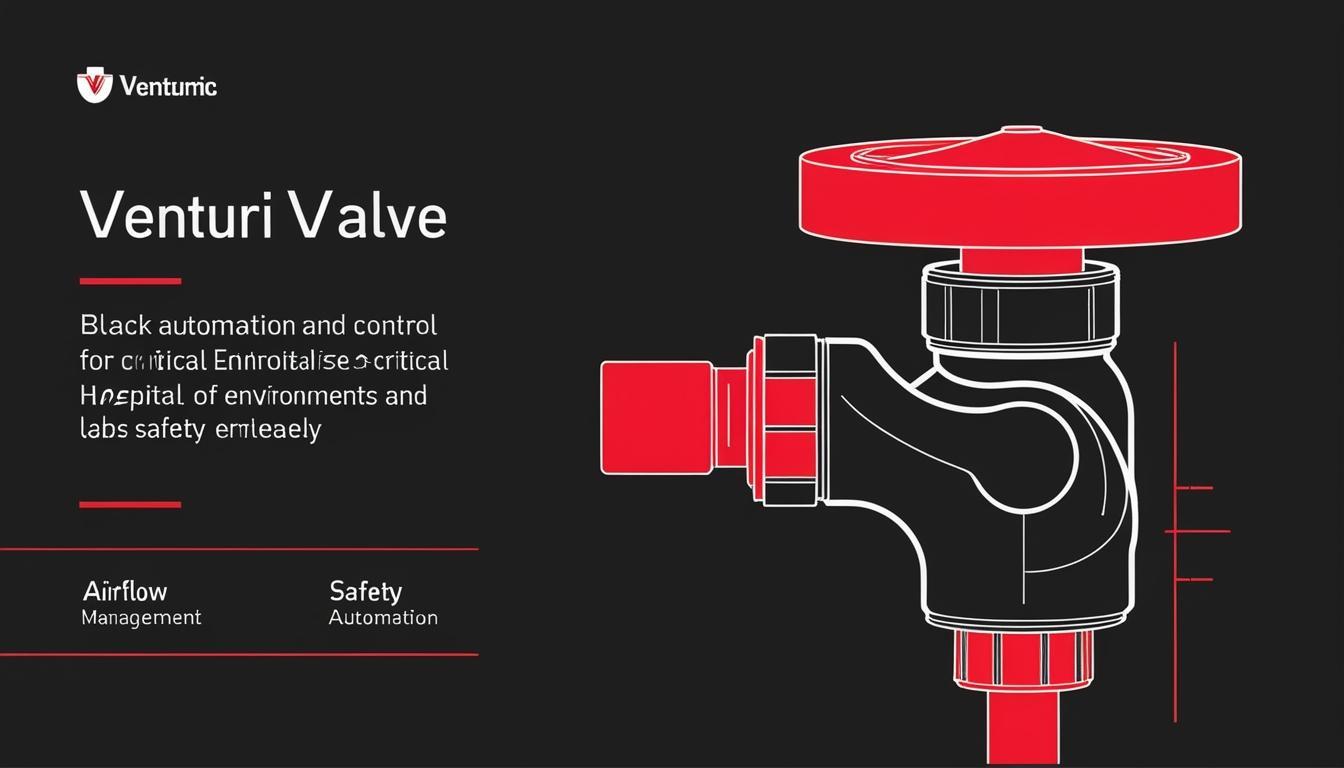
The system leverages a venturi valve that can be customised according to the specific needs of each facility, facilitating dynamic, real-time controls that respond swiftly to fluctuations in environmental conditions. Integrating a specialized BACnet Controller, the platform allows critical environment managers to access essential operational data through a user-friendly interface. This provides a single platform for monitoring with minimal maintenance required after initial programming.
"Critical environments require precise conditions for maximum operating efficiency to help ensure occupant safety," stated Dave Rausch, senior critical environment specialist for Phoenix Controls. In his remarks to Medical Design and Outsourcing, he emphasised the benefits of giving users improved control and insightful data to elevate performance in critical environments.
The integration of sensors and various peripherals also allows the platform to work in conjunction with other building control devices, giving users an overarching view of operations across multiple facilities. To optimise energy consumption in relation to real-time requirements, additional functionalities include hibernation modes, energy waste alerts, and the capability to adjust airflow based on occupancy levels and usage demands.
An early adopter of the Critical Spaces Control Platform includes Grove City College in Pennsylvania, which has previously employed Phoenix Controls' systems. The college plans to implement the new platform as part of a comprehensive renovation of Rockwell Hall of Science, an institution established 93 years ago, which will house advanced laboratories and classrooms for STEM programmes.
"Air quality is paramount to the safety of our students and faculty who are working with potentially harmful chemicals in labs or classrooms," said Susan Grimm, vice president of operations at Grove City College. Commenting on their longstanding partnership with Phoenix Controls, she noted the essential support they have received during the renovation efforts.
The new platform is also anticipated to enhance sustainability and energy efficiency without compromising the safety and integrity of critical spaces. Conor Murray, principal consultant at 3dimension Cleanrooms and the current chair of the International Confederation of Contamination Control Societies, remarked on the innovation's ability to achieve a dynamically balanced system, pivotal for effective management in these environments.
Honeywell's ongoing commitment to addressing significant megatrends—automation, the future of aviation, and energy transition—continues to drive its offerings across diverse industries, underscoring its role in providing solutions that tackle some of the world's most complex challenges. Additional information about Honeywell and its initiatives can be accessed through its official newsroom.
Source: Noah Wire Services