In the rapidly evolving technological landscape of 2025, the process of gathering requirements for software development has emerged as a crucial element for business analysts and project managers. This necessity has been amplified by the increasing prevalence of remote collaboration and the complexity introduced by diverse stakeholder groups. According to a guide from Developer Tech, effective requirement gathering serves as a cornerstone of successful projects, streamlining processes and ensuring alignment with business objectives.
Requirement gathering is fundamentally the structured approach to identifying and documenting the needs and expectations of stakeholders associated with a development project. Clear and comprehensive requirements are essential, as projects lacking them face potential delays, heightened costs, or even failure. In a world characterised by rapid technological advancements and remote work dynamics, the complexities of this process are more pronounced than ever.
Individuals typically responsible for gathering business requirements include project managers, requirement engineers, and product owners. These roles act as intermediaries, ensuring that the essential requirements are accurately captured and communicated between stakeholders and the development team. Modern methodologies, such as Agile and Waterfall, along with structured techniques, are now pivotal in guiding this process.
Benefits of gathering requirements in project management are numerous. Not only do well-defined requirements establish project scope and objectives, but they also help to align stakeholder expectations, mitigate risks, allocate resources efficiently, and enhance customer satisfaction by effectively meeting user needs.
Key components of requirement gathering include categorising the various types of needs—functional, non-functional, business, technical, and regulatory. Such categorisation aids teams in making sure all aspects of the project are thoroughly addressed, minimising the risk of omissions or oversights.
The preparation phase of requirement gathering starts with identifying key stakeholders, which can involve clients, end-users, sponsors, and internal teams. Developer Tech suggests tools like RACI matrices can help clarify roles and responsibilities. Clear articulation of project goals, using frameworks like SMART (Specific, Measurable, Achievable, Relevant, Time-bound), lays a solid foundation for gathering requirements.
Selecting an appropriate methodology tailored to the project's complexity is essential. Waterfall is typically suited for projects with defined requirements, while Agile caters to those with evolving needs. A hybrid approach may also be considered to optimise flexibility.
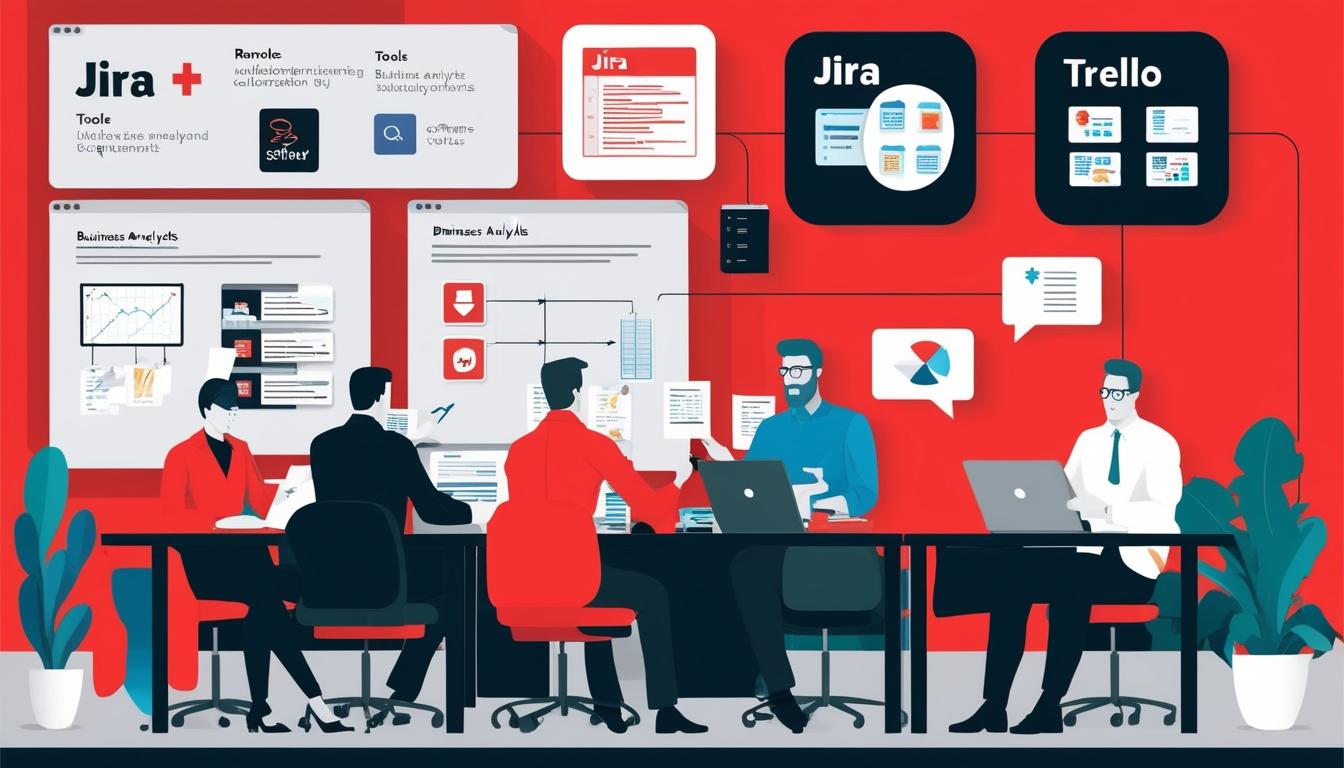
Modern tools including AI-powered platforms and project management tools like Jira, Trello, and Asana have revolutionised the requirement gathering process. Collaborative platforms such as Miro and Figma facilitate the visual representation of workflows, helping stakeholders clarify and refine their requirements. AI tools, such as ChatGPT, are recognised for streamlining brainstorming and analysis, showcasing the profound impact that technology has had on enhancing requirement gathering.
With the increase in remote and hybrid work, maintaining effective collaboration among teams is paramount. Developer Tech highlights strategies including the use of shared platforms to ensure seamless communication and documentation sharing, necessitating the bridging of gaps between technical and non-technical stakeholders.
The complexities and ambiguities of requirement gathering demand robust management strategies. Conflict resolution techniques, the development of prototypes for vague requirements, and the identification of potential risks are all vital approaches to ensure stakeholder satisfaction. The project scope should also be well-defined to reduce the likelihood of scope creep.
Validation and prioritisation of gathered requirements are critical steps in confirming that the documented needs align with the project's business objectives. Techniques such as peer reviews, stakeholder walkthroughs, and the use of prototypes are effective for validation while prioritisation frameworks like MoSCoW and the Kano model streamline the ranking process.
Documentation forms the backbone of any effective requirement gathering process. Best practices include maintaining a Requirement Traceability Matrix (RTM), drafting user stories, and creating comprehensive Functional Specification Documents (FSD). These documentations enable clear communication for development teams, aiding accurate planning regarding timelines and costs while keeping stakeholders informed of ongoing developments.
Developer Tech also indicates that future trends in requirement gathering will heavily involve AI and automation, emerging methodologies that adapt to the dynamic nature of projects, and the ability to swiftly adapt to technological advances such as IoT and cloud computing. Consequently, the ongoing refinement of tools and practices is anticipated to better support software development projects in meeting the expectations of users.
Challenges in requirement gathering persist, including vague objectives, inadequate stakeholder involvement, and poor communication. These potential pitfalls can be mitigated through strategic planning, continuous validation, and awareness of the need for tailored techniques specific to each project.
In sum, requirement gathering is a complex yet essential process in software development, being integral to project success in 2025. By leveraging modern tools, fostering collaboration, and maintaining rigorous documentation and validation protocols, development teams can navigate challenges and ensure stakeholder needs are met. The guide underscores that adaptability and the use of innovative tools will solidify a team's ability to deliver impactful solutions in an increasingly competitive environment.
Source: Noah Wire Services