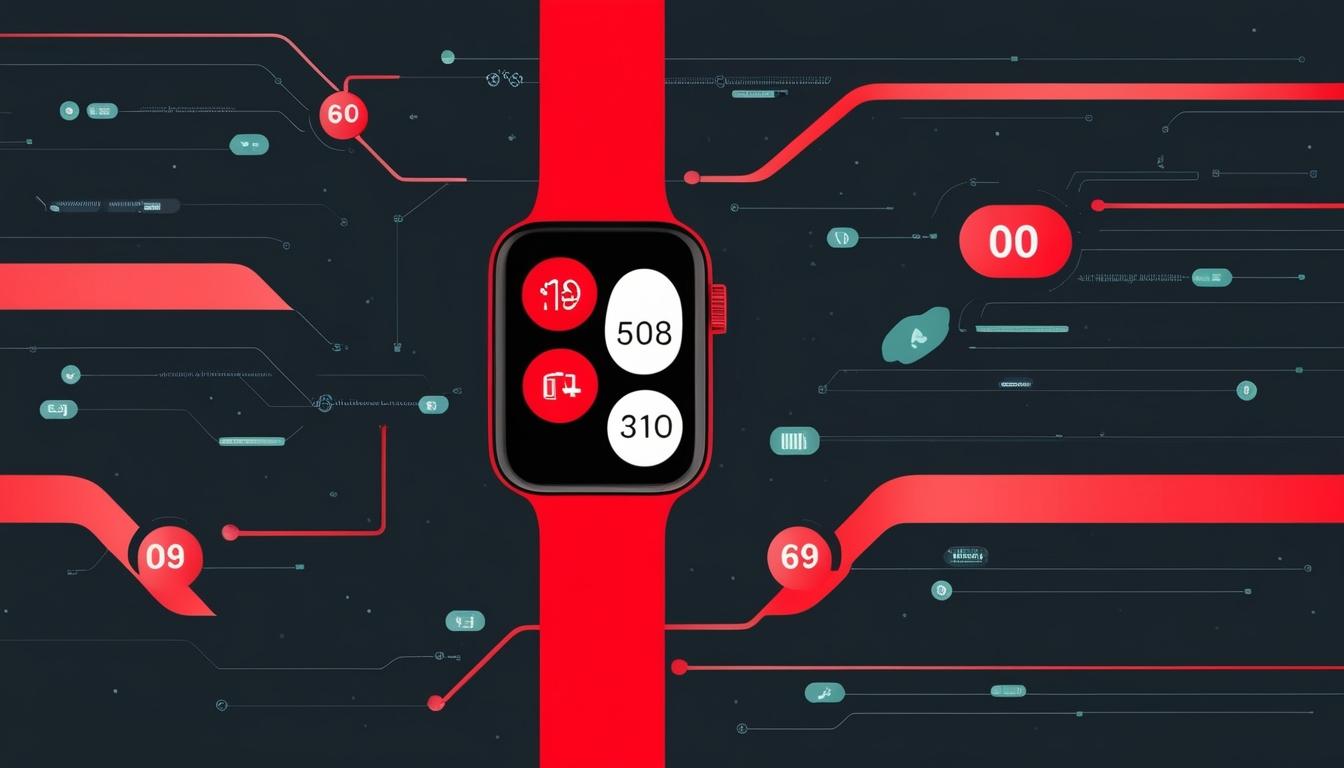
The clinical research sector is experiencing a transformative phase driven by significant technological advancements, reshaping how studies are conducted and analysed. These innovations aim to enhance the efficiency, accuracy, and patient-centred approach of clinical trials.
A pivotal change has stemmed from the integration of advanced data analytics and artificial intelligence (AI) into the field. AI and machine learning algorithms have become essential in processing vast amounts of data, allowing researchers to quickly identify patterns and predict outcomes that traditional analyses might overlook. For instance, AI-driven platforms can accelerate the identification of eligible trial participants by scanning patient records for specific health conditions and demographics. This targeted recruitment approach can greatly reduce the traditionally lengthy recruitment times, thereby improving the efficiency of trials.
Additionally, machine learning models play an emerging role in predicting potential drug side effects, leading to earlier interventions and enhancing safety protocols. These developments enable researchers to refine methodologies and produce more reliable trial results.
The utilisation of wearable health devices represents another significant trend, moving from casual consumer technology to critical clinical tools. Devices like smartwatches and fitness trackers provide real-time data on various vital signs, including heart rate and physical activity levels. This continuous data stream enhances the reliability of collected information while allowing researchers to monitor participants outside of clinical settings, reducing the necessity for frequent visits and enabling studies to reach broader populations. The increased convenience for participants is expected to yield more diverse data sets, ultimately contributing to a more comprehensive understanding of patient conditions.
Another innovative approach gaining traction in the field is decentralized clinical trials (DCTs), which were notably propelled into the spotlight during the COVID-19 pandemic. DCTs facilitate key trial components being conducted away from centralised research sites, employing digital tools for processes such as electronic informed consent and virtual monitoring visits. The flexibility that DCTs offer not only decreases the need for patient travel but also allows for a more diverse participant pool and improved retention rates. Mobile apps and web platforms aid in managing and analysing data in real time, further enhancing trial efficiency.
Patient engagement has also become an essential focus of modern clinical research. Technologies that promote engagement, including mobile applications and online portals, allow participants to provide feedback and report outcomes seamlessly. This two-way communication reinforces the relationship between researchers and participants, encouraging retention and commitment to the trial. By enabling immediate insights into side effects and other critical data, these tools create a more dynamic and responsive research environment, which can significantly enhance the accuracy and reliability of trial findings.
Furthermore, the implementation of blockchain technology is emerging as a robust solution for ensuring data security and transparency in clinical trials. The decentralised nature of blockchain allows for secure and traceable data entries, significantly reducing the risk of data tampering. This technology enables a transparent system for consent management and facilitates secure data sharing among stakeholders, including researchers, sponsors, and regulatory authorities. The reliability of blockchain in protecting sensitive information is increasingly crucial as the complexity of clinical research escalates.
In light of these innovations, it is imperative to acknowledge the vital role of researchers within the clinical environment. Financial stresses can often impede their progress, with many facing substantial burdens related to educational expenses and other obligations. Addressing these financial challenges through management tools, such as personalised financial planning and flexible repayment options, is essential for allowing researchers to concentrate on their work without additional distractions.
The integration of these technological tools into clinical research is reshaping the landscape and enabling unprecedented opportunities. Enhanced data analytics lead to more precise predictions, while wearable technology enriches data collection through real-time monitoring. By promoting decentralised trials, the field can welcome a more varied participant base, and blockchain technology fortifies data security and trust among stakeholders.
Supporting researchers in managing financial concerns serves to safeguard the momentum of innovation, ultimately benefiting both the medical community and patients alike. As these technologies continue to evolve and become standard practice, the potential for substantial and rapid advancements in medical discoveries is poised to grow, pushing the boundaries of what clinical research can achieve.
Source: Noah Wire Services