Passwords have long served as the foundational element of digital security, but a significant shift is underway in the realm of online authentication. Experts are projecting a move towards advanced authentication methods that promise to be more secure and user-friendly, marking a potential end to traditional passwords.
The challenges associated with passwords have been well-documented. For years, they have been the primary method of securing online accounts, yet vulnerabilities abound—ranging from the use of weak or easily guessable passwords to the rising threat of sophisticated phishing attacks. Users often struggle with managing multiple complex passwords, creating an environment ripe for cybercriminals to exploit. According to Private Internet Access (PIA), the continued effort to educate users on password security has not effectively mitigated these risks, emphasising the pressing need for alternatives that can eliminate passwords entirely.
Recent technological advancements are paving the way for a passwordless future. Several promising alternatives have emerged:
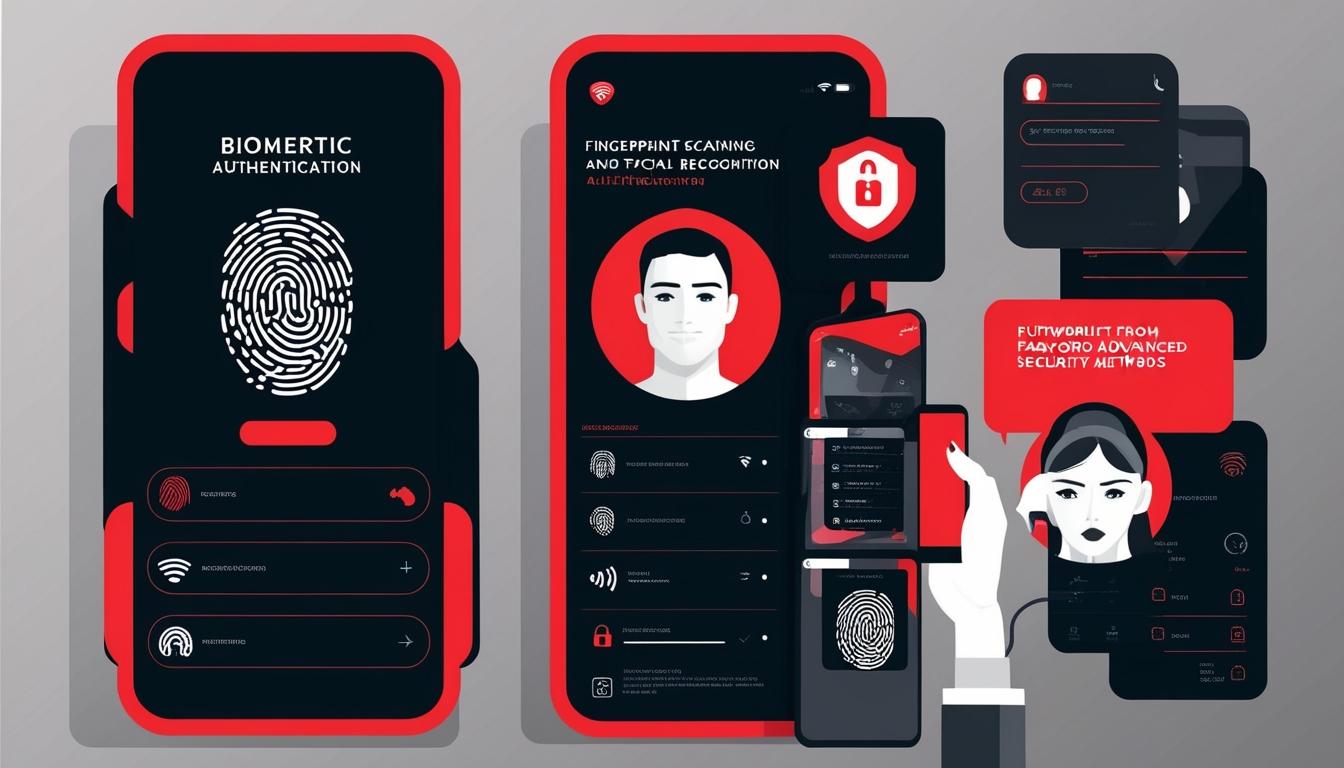
Biometric Authentication is rapidly gaining traction, utilizing unique physical characteristics for identity verification. Methods such as fingerprint scanning and facial recognition are increasingly common, with technologies like Apple’s Face ID exemplifying how biometrics are reshaping user authentication.
Multi-Factor Authentication (MFA), while not entirely passwordless, enhances security by requiring additional verification methods. This could involve receiving a one-time code on a mobile device or using a hardware security key, thus reducing reliance on passwords.
Another significant advancement is the development of Passkeys and Cryptographic Authentication. This method relies on public-key cryptography, allowing users to authenticate via a device or application, thereby negating the need for memorizing complex passwords. Major technology firms, including Apple, Google, and Microsoft, are actively working to implement passkeys in their ecosystems.
Behavioral Biometrics represent an innovative approach by examining unique user behaviours, such as typing speed and mouse movements, to continuously authenticate users in the background.
Transitioning away from passwords brings several benefits. Security levels are significantly enhanced as passwordless systems can reduce risks associated with phishing and credential theft. Additionally, user experience improves; with no need to remember numerous passwords, the login process becomes simplified. Furthermore, these systems offer scalability, being easier to implement across various platforms.
However, shifting towards passwordless authentication is not without its complications. Challenges such as cost, technological compatibility, and user adoption must be addressed. The implementation of biometric systems, for instance, necessitates the acquisition of specialized hardware, and educating users about new methods will be crucial for seamless adoption.
Looking ahead, while the complete transition is anticipated to take time, the trajectory towards a passwordless future is clear. Businesses and developers are positioning security and user experience as top priorities, highlighting the urgent need to integrate these innovations to fend off evolving cyber threats. The insights from PIA indicate that embracing this shift is essential for enhancing digital security in an increasingly connected world.
As the traditional password era diminishes, an array of advanced authentication methods promises a more secure and efficient digital environment. With the future leaning towards biometrics, passkeys, and behavioural analytics, the landscape of online security is set to change dramatically.
Source: Noah Wire Services