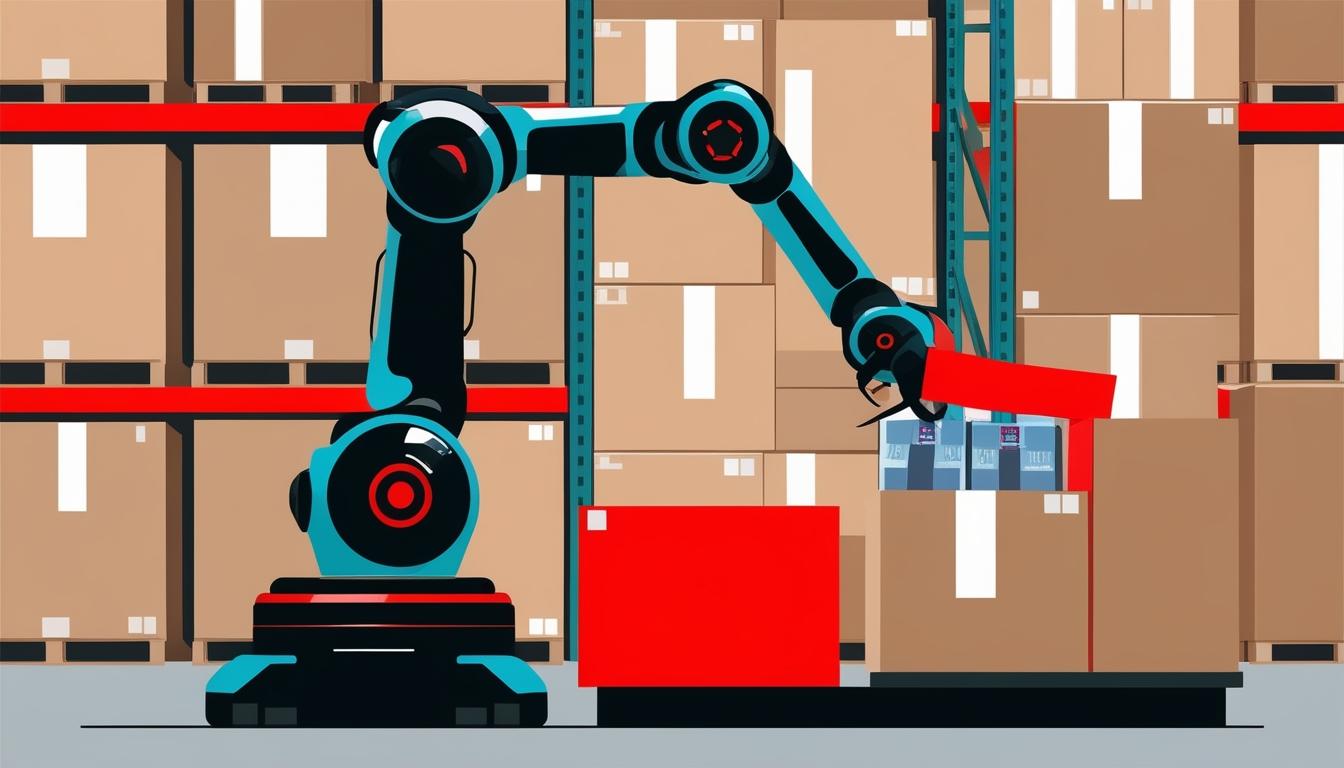
The warehouse automation market is on the cusp of significant growth, with projections suggesting it may more than double in value by 2029. Currently valued at nearly $26 billion, it is anticipated to exceed $54 billion within the next five years, according to research from Mordor Intelligence. This rapid expansion is aligned with the increasing integration of Artificial Intelligence (AI) into various facets of intralogistics, which is proving to be a game-changer in addressing key challenges such as labour shortages and the efficient handling of e-commerce orders.
Artificial Intelligence is becoming increasingly prevalent across multiple sectors, and its application in warehouse automation is demonstrating remarkable potential. AI technologies are enhancing the accuracy of manual fulfilment processes, improving inventory prediction capabilities, and enabling robots to learn not only from individual picks but also from each other. With the UK leading Europe in the number of AI-based companies, as reported by Forbes, the country shows a strong commitment to embracing AI technologies, with about one in six organisations already utilising some form of AI.
The rise of automation in warehouses not only addresses the immediate needs for operational efficiency and resilience within supply chains but also significantly alters the nature of jobs available in the sector. Traditionally, roles in logistics have involved repetitive and physically demanding tasks, making them less appealing to younger generations such as Millennials and Generation Z. However, the introduction and advancement of robotics and AI are leading to the creation of more attractive positions in areas like IT, software development, and robot programming. This shift is expected to help remedy the ongoing labour shortage challenge within the industry.
The Automated Material Handling Systems Association (AMHSA), representing 65 members who collectively provide the majority of automated solutions, plays a pivotal role in promoting the benefits of automation within the logistics sector. By offering market intelligence, conducting training workshops, and fostering networking opportunities, AMHSA assists members in sharing best practices while encouraging the adoption of innovative technologies that enhance supply chain efficiency and sustainability.
Looking ahead, AMHSA and its members plan to participate in a series of UK exhibitions in 2025 designed to showcase advancements in warehouse automation. Key events will include IWLEX at NAEC Stoneleigh on 3 and 4 June, Tomorrow’s Warehouse events in Coventry on 16 May and Manchester on 30 September, and IMHX at the NEC from 9 to 11 September.
As the automation landscape continues to evolve, the intertwining of technology and labour in warehouses appears set to transform operational dynamics, providing both solutions to pressing issues and opportunities for the next generation of workers.
Source: Noah Wire Services