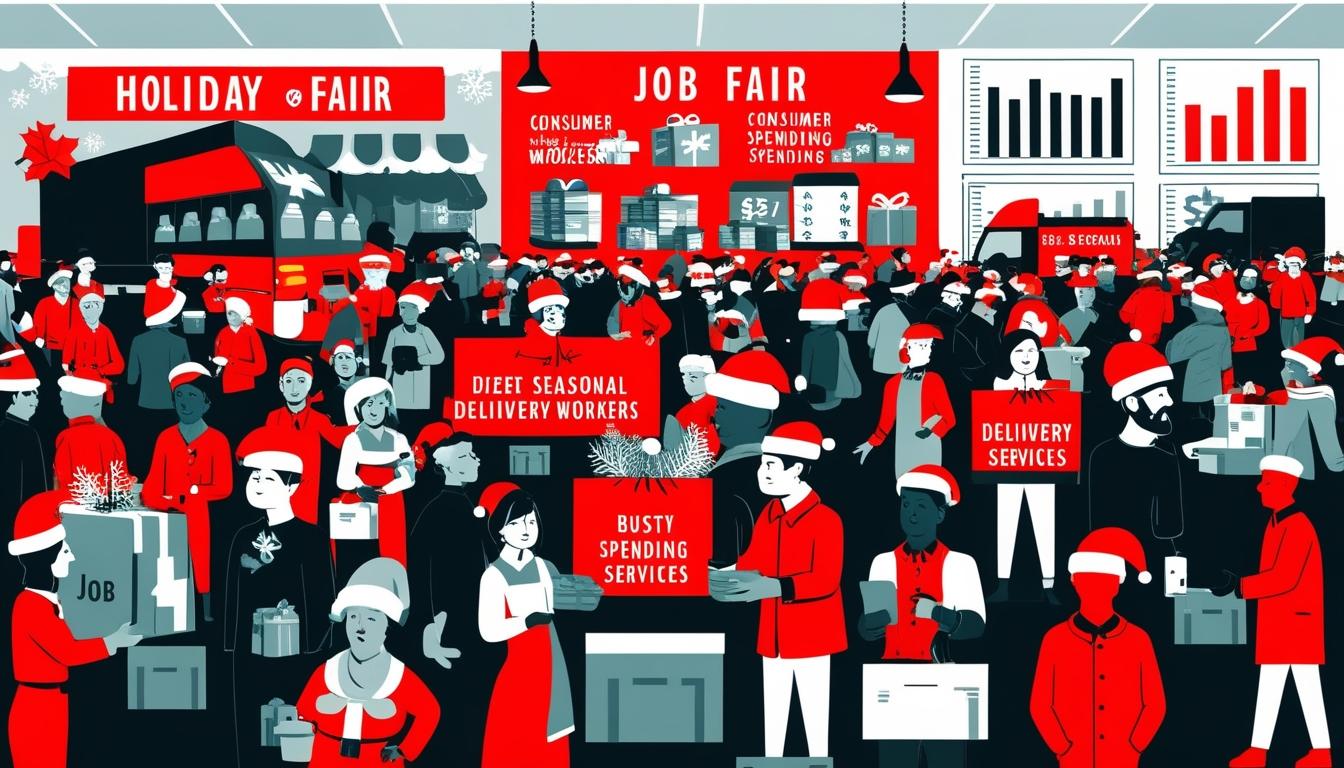
As businesses navigate the complexities of the evolving economic landscape in 2024, significant shifts in consumer behaviour and seasonal hiring trends are emerging. The holiday season this year is characterised by a distinct variance from previous years, particularly as the economy maintains levels of uncertainty that affect financial security for many individuals. According to Sandra Moran, Chief Customer Experience Officer at WorkForce Software, now part of ADP, these economic conditions have altered not only how consumers approach their holiday shopping but also how businesses strategise for the peak season.
The 2024 holiday shopping period is notably shorter, with less time between Cyber Weekend and Christmas, which poses significant challenges for sectors like logistics and manufacturing. Moran points out that this has intensified the pressure on companies responsible for delivering holiday purchases to adapt their operations swiftly. The robust figures from this year’s Cyber Monday showcase a record high in consumer spending, further burdening delivery services like UPS, which is proactively addressing demand by hiring approximately 125,000 seasonal workers—a 25% increase from the previous year. Other notable companies, such as USPS and FedEx, have also ramped up their recruitment efforts, indicating a broader trend towards substantial seasonal hiring in response to heightened consumer demand.
For job seekers aiming to secure temporary employment during this bustling period, differentiating oneself in a competitive market is crucial. Aspiring candidates are advised to tailor their resumes to highlight relevant experience rather than employing a generic approach. As Moran emphasises, job seekers should engage with hiring managers via platforms such as LinkedIn and make the most of hiring events. The interview process also remains an essential phase for candidates to express their enthusiasm and understanding of the role, underscoring the importance of conducting thorough research and preparing a compelling elevator pitch.
The challenges of hiring during what Moran describes as a “crunch time” are compounded by the need for effective communication, especially when managing a diverse and often deskless workforce in logistics. Technologies such as mobile applications are becoming increasingly critical, as these platforms facilitate real-time communication, ensuring that employees can receive timely updates and information whilst on the move. This approach not only aids in task management but also fosters a sense of connection among seasonal workers.
Moreover, companies are also encouraged to expedite the onboarding and offboarding processes for seasonal employees through accessible technology. Training that accommodates the schedules of workers who may be juggling other commitments is essential. Moran suggests that offering constructive feedback to seasonal staff can provide long-term benefits, as businesses may wish to consider these individuals for future opportunities, thereby streamlining the hiring process for subsequent busy seasons.
As the holiday hiring season progresses, the focus remains on how companies can adapt their strategies to meet the demands of 2024 and beyond. With various logistical hurdles arising from the current economic environment, businesses are prompted to innovate their hiring tactics, streamline processes, and engage with employees to build a robust framework for future seasonal employment. The future implications of these trends are expected to shape the way companies approach workforce management in the years to come.
Source: Noah Wire Services