The global feeding systems market is poised for significant expansion, with estimates indicating growth from USD 3.22 billion in 2024 to USD 4.72 billion by 2029, reflecting a compound annual growth rate (CAGR) of approximately 8.0%. This surge is largely attributed to a rising demand for automation and improved efficiency within the livestock farming sector as populations expand and food production needs escalate.
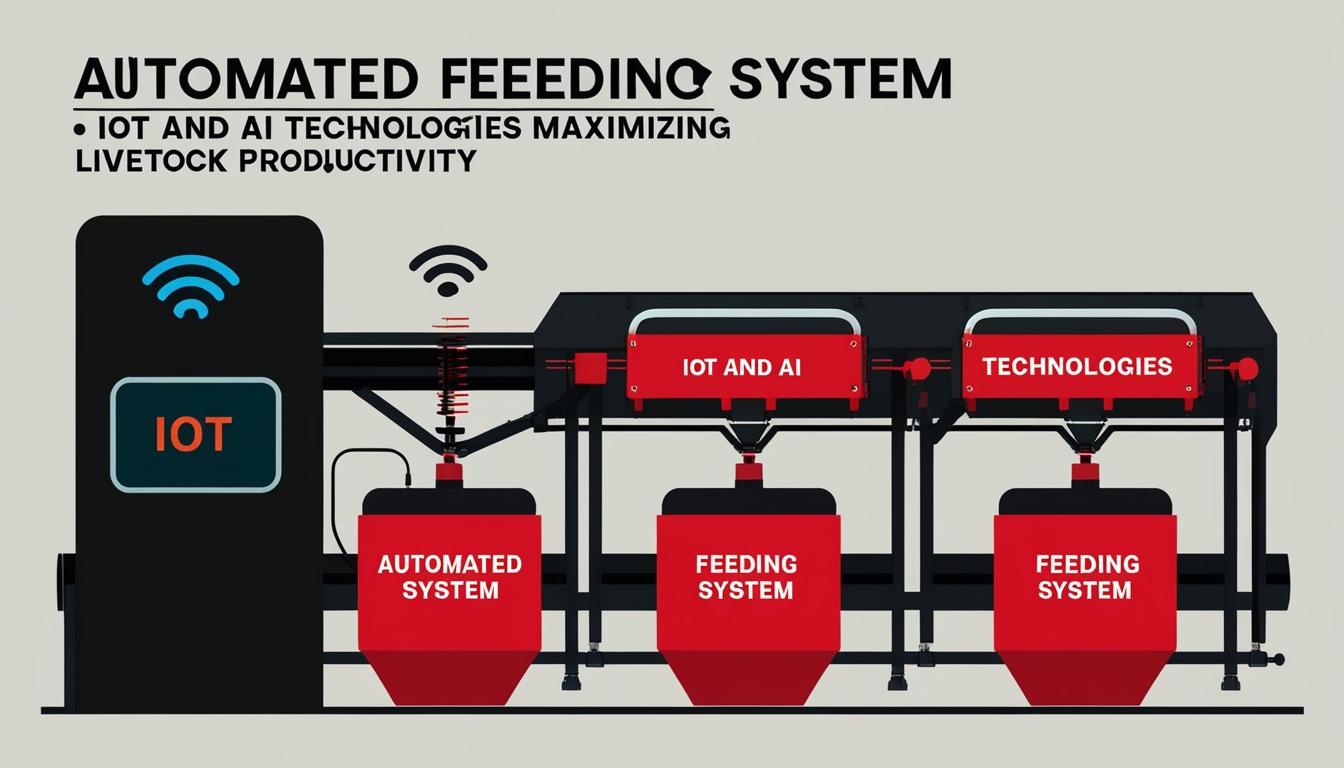
The increased adoption of automation in livestock management is being propelled by a number of technological advancements, particularly in the realms of the Internet of Things (IoT) and artificial intelligence (AI). These technologies allow for the optimisation of feeding schedules and enable farmers to monitor animal health and maximise feed efficiency, thereby enhancing overall productivity. The growing emphasis on sustainability and nutritional efficiency is also a notable trend as farmers look to improve feed conversion rates and minimise waste.
Market insights reveal a strong push towards precision livestock farming (PLF), which utilises sensors and data analytics to monitor animal behaviour and nutritional needs in real-time. This innovative approach facilitates personalised feeding strategies tailored to specific livestock species, allowing for better resource management and cost reductions. Furthermore, as farmers seek to improve cost-effectiveness, the demand for automated feeding systems that reduce labour costs while ensuring consistent nutrition has increased markedly.
Rapid growth is particularly anticipated in the poultry segment, which is experiencing a notable rise in production. Key poultry-producing countries, including the United States, Brazil, and China, are adapting to this rise by increasingly relying on automated feeding systems to enhance productivity and ensure optimal health for their flocks. According to USDA data, the US accounted for 20% of the global poultry supply share in the 2023/2024 period, urging a continuous need for advanced feeding solutions.
Europe is projected to witness robust growth in the feeding systems market, with countries such as Germany, the UK, France, and the Netherlands leading the way. In the UK, for example, recent data indicates an uptick in dairy cattle numbers, thereby heightening the need for automated feeding solutions that can efficiently manage these larger herds and improve production.
The software segment within the market is becoming increasingly vital, driven by the necessity for real-time monitoring and data analytics. This segment is essential for optimising feeding schedules and minimising feed waste, contributing positively to operational efficiency. The integration of AI and IoT technologies within feeding system software enhances these capabilities, supporting farmers in enterprise-wide management.
Several prominent companies are at the forefront of the feeding systems market, including DeLaval and GEA Group Aktiengesellschaft. DeLaval focuses on integrated milking solutions aimed at improving production and animal welfare, while GEA Group offers a wide range of products and solutions for dairy farming, encompassing feeding systems and beyond.
Industry forecasts point towards rising investment opportunities in emerging markets, particularly in Asia-Pacific, contributing to the global adoption of advanced and efficient feeding systems. Overall, the feeding systems market is transitioning towards more technologically advanced, sustainable, and cost-effective solutions that cater to the needs of modern agriculture worldwide.
Source: Noah Wire Services