In an evolving landscape where precision is paramount, traditional inspection methods in the manufacturing sector are increasingly being challenged by modern technological innovations. The reliance on human inspectors and manual processes, which have long been the backbone of quality assurance, is now scrutinised for their limitations.
Notably, recent product recalls serve as stark reminders of what can go awry in manufacturing. Tesla, for instance, recalled nearly 4,000 Cybertrucks due to an issue with the accelerator pedal potentially detaching and resulting in unintended acceleration. Similarly, Smiths Medical faced issues with specific tracheostomy tubes that were recalled due to a defect posing serious risks to patients. These incidents underscore significant quality control risks that can have catastrophic implications for manufacturers, including legal repercussions and reputational damage.
Traditional methods are often inadequate for today’s production demands. Human inspectors may grow fatigued and overlook defects, while the variability in interpretation of quality standards can lead to inconsistent outcomes. Furthermore, with production speeds escalating, manual inspections struggle to maintain the necessary efficiency without sacrificing thoroughness.
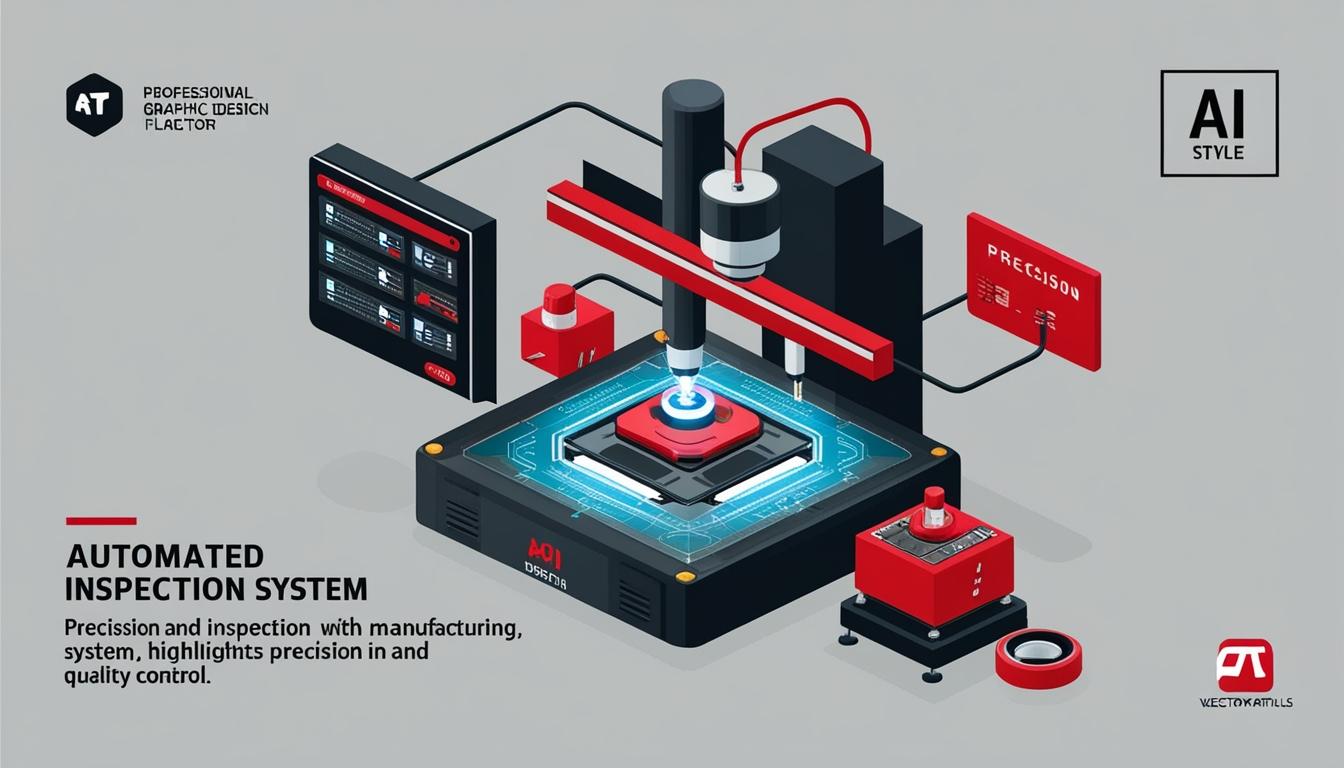
Advancements in technology provide the necessary tools to meet these challenges head-on. Machine vision systems utilise high-resolution cameras and sensors capable of identifying minute details that human inspectors might miss. By analysing dimensions, patterns, and surface textures in real-time, these systems ensure strict adherence to predefined quality criteria. AI-driven analytics amplify this process, identifying patterns related to defects and improving the systems' accuracy as more data is processed.
Automated inspection systems also promise consistency and the ability to operate continuously, significantly reducing human error. In large-scale environments such as Amazon's fulfilment centres, for example, the AI programme known as “Project P.I.” works to detect product defects during the rapid flow of various items through imaging tunnels. This initiative ensures that every order meets quality expectations, thereby enhancing customer satisfaction.
The adoption of advanced technologies not only improves defect detection but generates critical insights into manufacturing processes. Predictive analytics can highlight correlations between materials used and defect rates, allowing manufacturers to respond promptly to issues as they arise, rather than waiting until the final inspection stage.
As products grow more complex, so do the challenges of detecting defects. Traditional inspection methods are inadequate for multi-component products like smartphones. Technologies such as X-ray inspection, 3D scanning, and thermal imaging now enable manufacturers to evaluate these intricate assemblies without disassembling them, detecting issues such as overheating that could go unnoticed until a product fails in use.
Failure to modernise inspection methods carries significant financial implications. In 2023 alone, over 320 consumer goods recalls were reported in the United States due to defects, a stark increase from previous years. The repercussions of outdated quality control processes can be severe, leading to financial losses from recalls and warranty claims, diminished consumer trust, and potentially costly legal battles stemming from product liability claims.
Moreover, the adoption of modern defect detection technologies contributes to sustainability efforts within the manufacturing domain. By identifying defects early, manufacturers can reduce waste and repurpose materials more effectively, aligning production practices with growing consumer expectations for environmentally friendly operations. Predictive analytics can further optimise production lines to mitigate overproduction and unnecessary resource consumption.
In summary, the shift towards incorporating modern technologies in quality assurance marks a significant evolution in manufacturing practices. The combination of AI-driven analytics, automated inspection systems, and advanced imaging techniques not only enhances quality control but also promotes efficiency, customer satisfaction, and environmentally responsible practices. As industries adapt to these emerging trends, manufacturers embracing such innovations position themselves as leaders in an increasingly competitive marketplace.
Source: Noah Wire Services